
Introduction: A New Age of Competitive Spirit
Over the past two decades, esports has transformed from a niche pastime into one of the world’s fastest-growing entertainment industries. Once dismissed as casual gaming, competitive video gaming has evolved into a sophisticated ecosystem involving professional athletes, international tournaments, massive fandoms, high-value sponsorships, and global media coverage. Today’s esports is no longer just about playing games; it is about dedication, mental agility, teamwork, strategy, and the fusion of technology with human skill.
This blog explores how esports rose to prominence, why it captivates millions, and what the future may hold for this groundbreaking industry.
The Origins: From Living Rooms to Global Stages
Esports did not emerge overnight. Its story began in the 1970s and 1980s when arcade competitions drew local crowds and early consoles introduced friendly challenges among friends and family. The shift toward organized competition accelerated in the 1990s, thanks to the rise of internet connectivity and multiplayer titles like StarCraft and Counter-Strike. These games weren’t just about reflexes; they required deep strategy, coordination, and communication.
However, the true turning point came in the 2000s as online platforms improved and gaming communities expanded. LAN parties grew into regional tournaments, which soon expanded into international leagues. Suddenly, the idea of playing video games as a profession became not only possible but respectable.
Why Esports Captures the World’s Attention
Esports appeals to a wide range of audiences because it blends entertainment, competition, and community engagement in ways traditional sports sometimes cannot match.
High-Skill Gameplay
Games like League of Legends, Dota 2, Valorant, and Overwatch require exceptional talent. The best players train for hours each day, mastering mechanics, refining strategies, and learning to adapt in split-second decision-making scenarios.
Accessibility
Unlike many physical sports, esports does not depend on height, strength, or geographic location. Anyone with passion, practice, and determination can rise through the ranks from their own home. This accessibility widens the talent pool and makes esports more inclusive.
A Tech-Driven Generation
Younger generations grew up immersed in technology. Esports feels natural to them because it blends entertainment with interactivity. They don’t just watch games; they participate in them, analyze them, and form communities around them.
The Professional Player: More Than Just a Gamer
The stereotype that esports players are casual gamers lounging behind screens is outdated. Professional esports athletes train with the discipline of traditional sports competitors.
Extensive Practice Schedules
Many pros practice eight to twelve hours a day. Their routines involve mechanical drills, strategy sessions, team scrims, replays analysis, and physical fitness training to maintain endurance.
Mental Conditioning
Esports demands sharp cognitive performance. Players often work with coaches and sports psychologists to improve focus, maintain composure under pressure, and sharpen decision-making skills.
Team Dynamics
Most competitive esports titles are team-based, making communication, collaboration, and trust essential. Teams often live together in training houses, working closely to build synergy.
The Role of Big Tournaments and Leagues
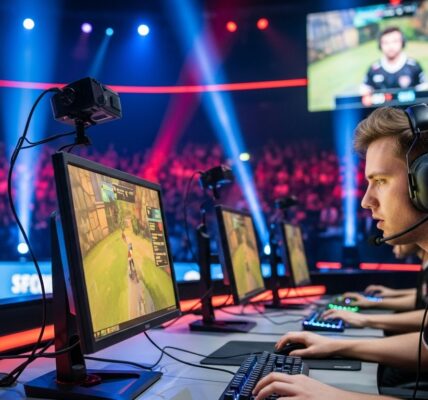
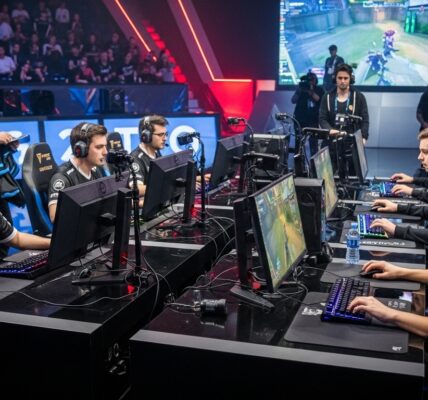
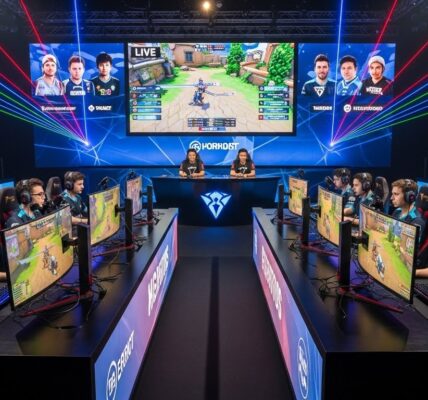
Esports would not be the global force it is today without large-scale tournaments. Events like world championships in popular titles consistently attract millions of viewers. Some of these events fill entire stadiums, complete with dazzling light shows, elaborate stage setups, and passionate audiences.
Prize pools have skyrocketed as well, with major tournaments awarding millions of dollars to top teams. This influx of financial investment demonstrates the industry’s legitimacy and growth potential.
Esports Organizations: The New-Age Sports Franchises
Esports organizations function similarly to traditional sports franchises. They recruit talent, provide coaching, negotiate sponsorships, and build fan communities. Teams such as those found in major titles often have dedicated managers, analysts, and medical staff. Their branding extends into merchandise, digital content, and lifestyle collaborations, creating a multi-layered business ecosystem.
Streaming and Content Creation: Fueling the Esports Explosion
One of the strongest pillars in the rise of esports is streaming. Platforms that allow players to broadcast live gameplay have created an entirely new entertainment category.
Interactive Viewership
Unlike traditional sports, fans can interact directly with players through live chats, social media, and community events. This real-time engagement creates a stronger bond between fans and players.
Player Influence
Many professional players and streamers become digital celebrities, influencing gaming trends, merchandise sales, and even game development decisions. Their content serves as both education and entertainment for millions worldwide.
The Cultural Impact: Beyond Entertainment
Esports has grown into more than just tournaments and live streams. Its influence permeates modern culture in several ways.
Educational Programs
Schools and universities are beginning to recognize esports as a legitimate field of study and activity. Scholarships for esports athletes are becoming more common, and academic programs now explore topics such as game design, team management, and digital media.
Career Opportunities
The industry supports a wide range of careers beyond professional play. These include coaching, game analysis, broadcasting, event management, production, marketing, graphic design, and many more.
Social Communities
Esports connects people globally who share similar passions. Whether through online forums, tournaments, or local gaming clubs, players form supportive networks that celebrate creativity and competition.
Esports and Traditional Sports: A Growing Convergence
Traditional sports organizations increasingly recognize the value of esports. Many sports teams now invest in esports divisions, while major sporting events include esports showcases.
This convergence demonstrates how technological entertainment and physical sports can coexist and even complement one another. Both emphasize competition, skill development, training, and teamwork.
Challenges Facing the Esports Industry
Despite its success, esports faces several challenges that must be addressed for long-term sustainability.
Player Burnout
The intense training schedules can lead to physical strain and mental exhaustion. Establishing healthier routines and support systems is essential.
Regulation and Governance
The industry lacks standardized global regulations. Topics such as contracts, player rights, and tournament rules require further organization.
Financial Stability
Not all teams and players have consistent income streams. Sponsorships help, but the industry must ensure fair compensation and long-term stability.
The Future of Esports: Where the Digital Arena Is Headed
The future of esports holds vast potential. With rapidly evolving technology, competitive gaming is poised for even greater expansion.
Virtual and Augmented Reality
Advanced VR and AR technologies may create new competitive formats, allowing players to merge physical movement with digital gameplay.
Global Recognition
Esports may eventually earn a place in global athletic exhibitions or major multi-sport events, granting it even more visibility and legitimacy.
Broader Inclusion
As gaming continues to break cultural and linguistic barriers, the esports community will likely become even more diverse and inclusive.
Conclusion: A Revolution Still in Motion
Esports represents a monumental shift in how we define competition, skill, and entertainment. It merges creativity with technology and transforms everyday gaming into high-level performance. Beyond thrilling matches and passionate fanbases, esports provides meaningful opportunities, builds global communities, and inspires a new generation of digital athletes.
The digital arena is still growing, still evolving, and still redefining what it means to compete in the modern world. Esports is not merely a trend; it is a revolution—and its story has only just begun.