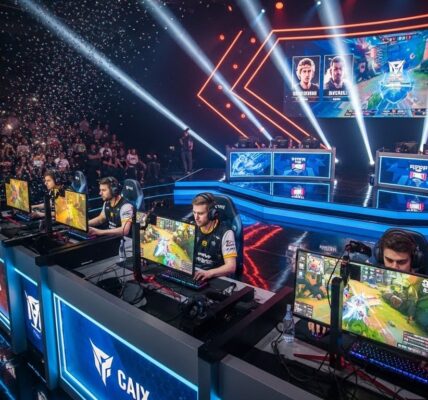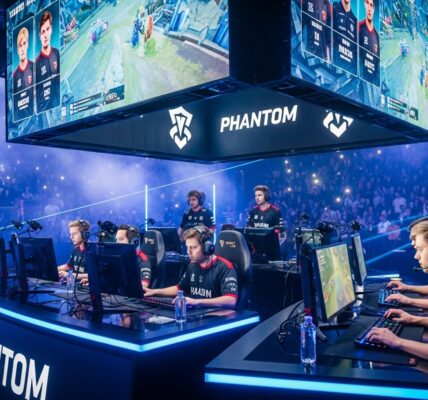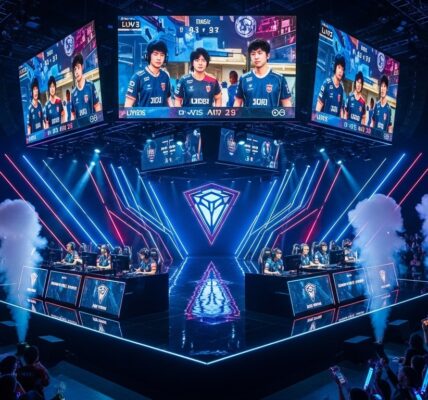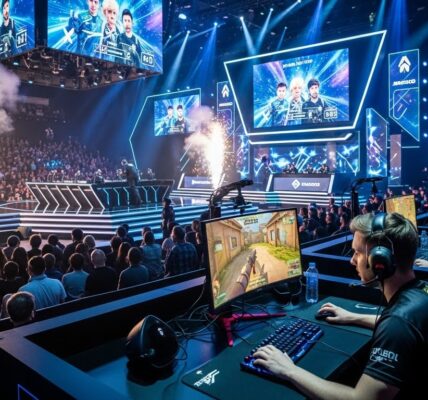
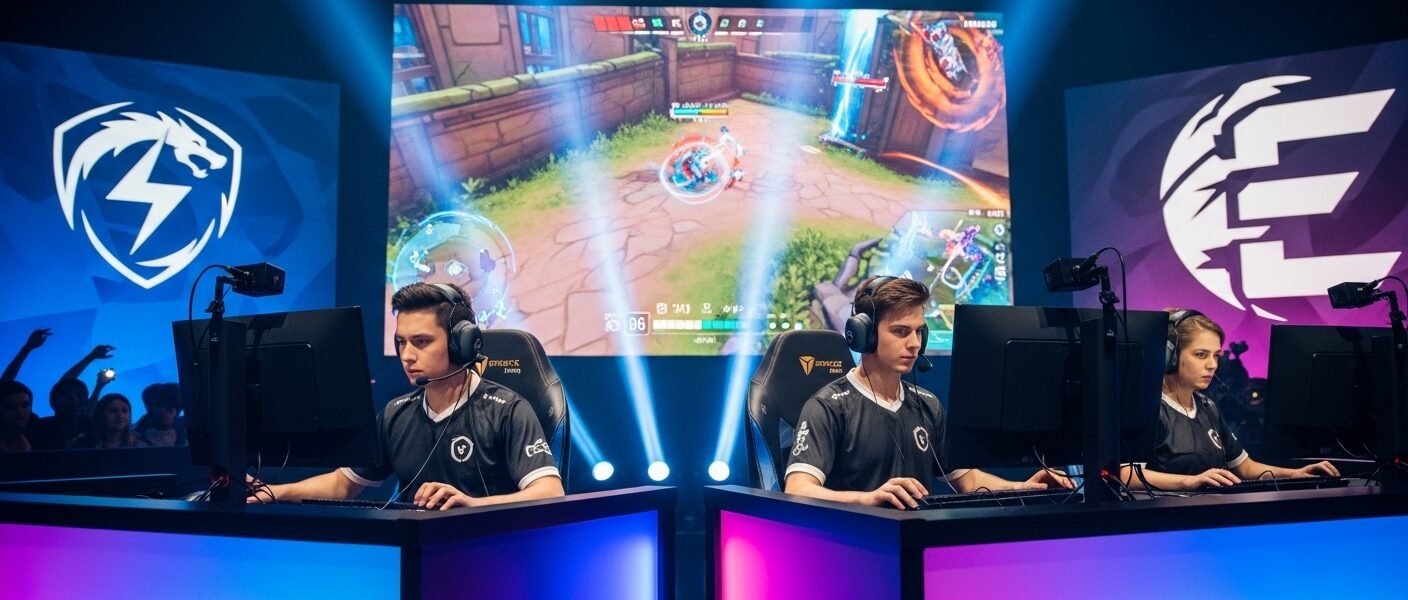

Esports, or electronic sports, has emerged as one of the most exciting and rapidly growing industries in the world. What was once a niche activity for a dedicated few has transformed into a global phenomenon that commands millions of viewers, participants, and significant investments. From large-scale tournaments in massive stadiums to everyday streaming on platforms like Twitch, esports has reshaped the landscape of entertainment. In this post, we’ll explore the explosive rise of esports, the factors driving its growth, and what the future holds for competitive gaming.
The Early Beginnings: From Casual Gaming to Organized Competitions
The journey of esports began in the late 20th century when competitive gaming was primarily a local activity. Early tournaments took place in arcades, where players would compete for high scores on games like Pac-Man and Street Fighter. These gatherings, though small, set the stage for the more structured and large-scale competitions that would follow.
As the internet became more accessible in the 1990s, multiplayer online games such as Quake and StarCraft opened up new possibilities. Players no longer needed to be in the same room to compete. With the rise of LAN (Local Area Network) parties, gamers could connect over the internet and compete against each other from their own homes, laying the groundwork for the esports tournaments we recognize today. By the early 2000s, organized esports competitions began to take shape, bringing together large groups of players from around the world to compete for prizes and prestige.
Esports Goes Global: A Cultural and Digital Shift
The real turning point for esports came with the advent of streaming platforms. Services like Twitch allowed gamers not only to compete but also to broadcast their gameplay to a global audience. This new form of entertainment gained immediate traction as viewers tuned in to watch their favorite players, teams, and games in action. What started as a small community quickly evolved into a global spectator sport, with millions of fans watching live streams, cheering for teams, and engaging with the players in real time.
In parallel, esports tournaments began to scale up. The League of Legends World Championship, The International (for Dota 2), and other flagship events became cultural touchstones. These tournaments are broadcast to audiences around the world, drawing viewers from regions such as North America, Europe, South Korea, and China. In fact, some of these events now surpass traditional sports in terms of viewership numbers, with millions of people tuning in to watch the finals of esports tournaments.
The growth of esports is a testament to the power of digital platforms. With the rise of platforms like YouTube Gaming and Facebook Gaming, competitive gaming has found a home where anyone can be both a participant and a spectator. The accessibility and interactivity of these platforms have fundamentally reshaped the way fans engage with gaming, turning it into an immersive, global experience.
The Business of Esports: Teams, Sponsorships, and Professionalization
Esports has quickly transformed from a hobbyist’s dream into a multi-billion-dollar industry. This growth has been fueled by significant investments, including sponsorships, broadcasting rights, and merchandise sales. Major tech companies like Intel, Logitech, and Nvidia have joined the fray, sponsoring events and teams to gain access to this booming market. Other companies, ranging from beverage giants like Red Bull to lifestyle brands like Nike, have also jumped on board, recognizing the immense marketing potential within the esports ecosystem.
Professional esports teams now mirror traditional sports teams in many ways. They have managers, coaches, analysts, and even psychologists working with players to optimize performance. Just like athletes in traditional sports, professional gamers train for hours every day, studying strategies, practicing their skills, and preparing for tournaments. These teams are often sponsored by major brands, which not only provides funding but also amplifies the reach of the teams and events they support.
In addition to team-based esports, solo careers have also flourished. Professional gamers, streamers, and influencers have carved out their own space in the industry, earning money through sponsorships, donations from fans, and ad revenue from platforms like Twitch. These content creators play a vital role in the esports ecosystem, providing entertainment, insights, and community-building for fans.
Esports Careers: A New Generation of Opportunities
One of the most exciting aspects of esports is the diverse career opportunities it offers. Gone are the days when gaming was seen as a hobby for the young and unemployed. Today, competitive gaming has evolved into a legitimate career path for many. Professional players make significant salaries through tournament winnings, team salaries, and sponsorship deals. Streamers and influencers, who entertain and engage with large online audiences, can generate substantial income through fan donations, subscriptions, and advertising revenue.
But esports offers more than just opportunities for gamers. As the industry expands, there is increasing demand for a wide range of other roles. Event organizers, content creators, analysts, coaches, and marketing professionals are essential to the functioning of the esports ecosystem. As a result, universities and institutions around the world are beginning to offer courses and degrees specifically tailored to esports management, game development, and broadcasting, creating even more career opportunities within the sector.
With esports becoming a viable career option, it’s clear that the gaming industry is not just about play—it’s a fully-fledged, multi-faceted business. And this doesn’t just extend to players or content creators; it encompasses everyone involved in bringing esports to life, from tech developers to production teams who make live events possible.
Esports as a Cultural Force: Shaping the Future of Entertainment
Esports is much more than just a gaming competition—it’s a cultural force that is reshaping the way we consume entertainment. The world of esports is built around community and interactivity. Fans don’t just passively watch esports events; they actively participate in the experience, chatting with other viewers, interacting with players, and influencing the outcomes through social media.
This interactive aspect is a key element of esports’ appeal. The sense of community among players and fans creates a bond that traditional forms of entertainment often lack. Esports events are not just about competition—they are social events that unite people from all walks of life. Whether it’s through local viewing parties or global tournaments, esports brings people together in a way that is both digital and physical.
Additionally, esports is increasingly influencing mainstream culture. Celebrities, musicians, and athletes have become involved in the world of competitive gaming, either as fans or as partners in various esports initiatives. For instance, top athletes from traditional sports have invested in esports teams or endorsed gaming products. The merging of gaming and mainstream culture has helped further legitimize esports as a form of entertainment that appeals to a broad audience.
The Future of Esports: Challenges and New Horizons
The esports industry, while booming, is not without its challenges. As the competitive scene grows, questions arise about player health, the sustainability of event formats, and the potential for burnout among professional gamers. Additionally, while some countries have well-established esports infrastructures, others still face challenges related to access, technology, and cultural acceptance.
Looking ahead, the future of esports looks promising but will require careful consideration of these issues. With the advent of technologies like virtual reality (VR) and augmented reality (AR), the way we experience esports could change dramatically in the coming years. Imagine stepping into a fully immersive, virtual stadium to watch your favorite team play, or engaging in esports events that blend physical movement with digital play. The integration of esports into mainstream entertainment venues, such as television networks and digital platforms, will also open new avenues for growth.
Furthermore, as mobile gaming continues to rise, the potential for esports in emerging markets like India, Southeast Asia, and Africa is enormous. These regions present untapped potential for both players and fans, making them key areas for the future of esports.
Conclusion: Esports is Just Getting Started
Esports has come a long way since its humble beginnings in the 1980s. What started as a small, localized activity has grown into a global industry worth billions of dollars. The industry’s rapid expansion has been fueled by technology, streaming platforms, sponsorship deals, and an ever-growing global community of gamers and fans. As esports continues to evolve, it is clear that competitive gaming is here to stay, and its impact on entertainment, culture, and business will only continue to grow.
For those who haven’t yet experienced the thrill of watching an esports event, the future offers plenty of opportunities to dive in and become part of this exciting world. Whether you’re a player, fan, or industry professional, esports is set to shape the future of entertainment for years to come.