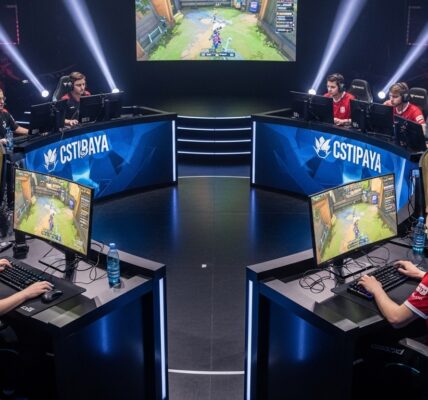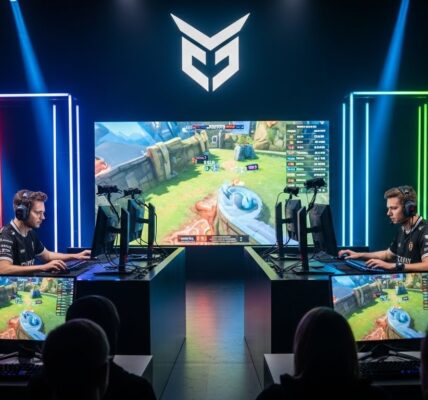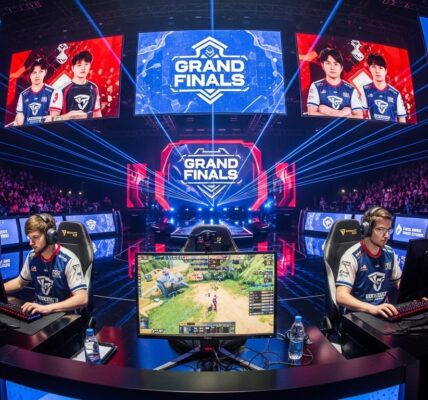
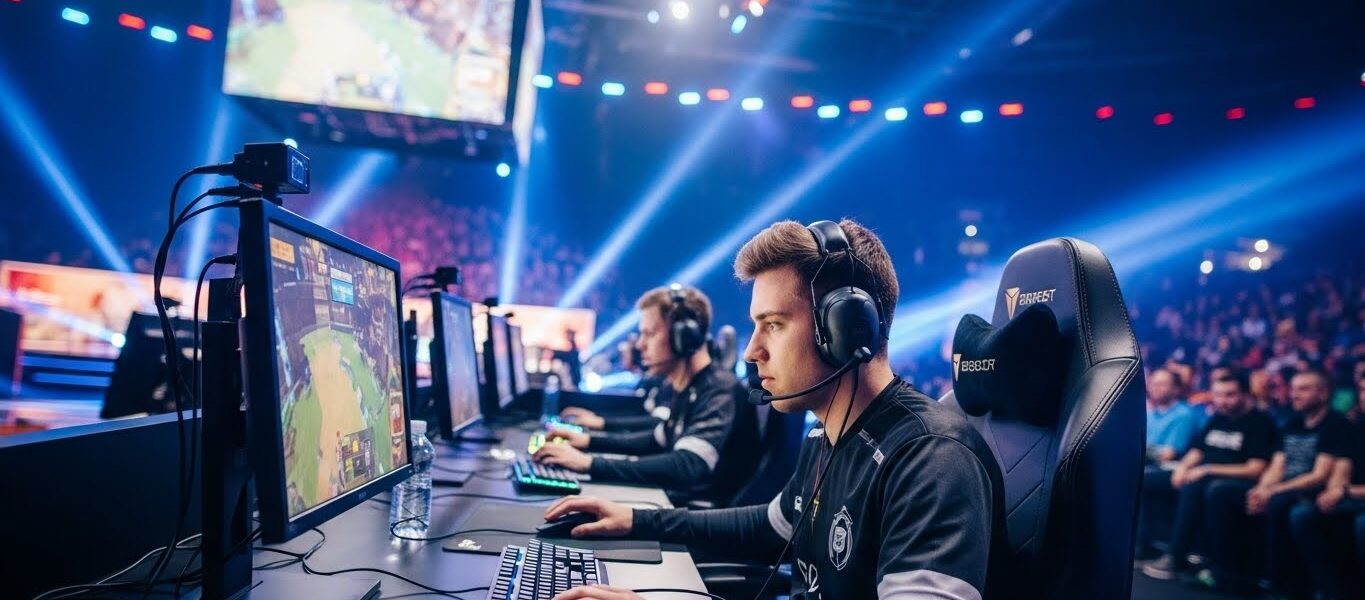

Esports has rapidly evolved from a niche pastime into a multi-billion-dollar global phenomenon. Once considered a hobby for dedicated gamers, competitive gaming now commands massive audiences, professional athletes, corporate sponsorships, and international tournaments. From living rooms to stadiums, esports has transformed the way we perceive competition, entertainment, and digital culture. This blog explores the evolution of esports, its ecosystem, cultural impact, economic significance, and what the future holds for this dynamic industry.
The Origins of Esports
The history of esports dates back to the late 1970s and 1980s, when video games began to gain popularity. Early competitions were small-scale, often centered around high scores on arcade machines or simple tournaments among friends. These informal competitions laid the foundation for organized gaming contests, even though the concept of professional esports had yet to emerge.
With the rise of home computers and the internet in the 1990s, multiplayer gaming started to flourish. Games like Quake, StarCraft, and Counter-Strike allowed players to compete online, leading to the formation of early gaming leagues. LAN parties became common, bringing players together to compete in person while fostering a sense of community. These developments paved the way for esports as a serious competitive activity.
The Emergence of Professional Esports
The early 2000s marked the beginning of professional esports. With improved internet connectivity and more sophisticated games, competitive gaming grew into organized leagues and tournaments. Games began to include features designed specifically for competition, such as ranking systems, spectator modes, and balanced gameplay mechanics.
Streaming technology further accelerated the growth of esports. Platforms that allowed live broadcasting of matches brought competitions to global audiences, transforming gaming into a spectator sport. Events became more professionalized, featuring commentators, analysts, and high-quality production. What was once a hobby began to resemble traditional sports in structure and presentation.
The Esports Athlete
Professional esports players train with the same intensity and discipline as traditional athletes. They practice for several hours daily, focusing on mechanics, strategy, teamwork, and mental resilience. Many players are part of organized teams that include coaches, analysts, and support staff to optimize performance.
Esports careers are not limited to players. Coaches, team managers, event organizers, broadcasters, and content creators all contribute to the ecosystem. Educational institutions have even begun offering scholarships and programs in esports, recognizing it as a legitimate career path. This professionalization has elevated esports from casual gaming to a respected competitive field.
Understanding the Esports Ecosystem
The esports ecosystem is complex and interconnected. At its core are the games themselves, developed and maintained by publishers who control rules, updates, and competitive formats. Surrounding these games are professional teams, leagues, and tournaments, providing structure and opportunities for players to compete at various levels.
Sponsors and advertisers are critical to the financial viability of esports. Brands invest in teams, tournaments, and individual players to reach an engaged digital audience. Media platforms distribute content through live broadcasts, highlight reels, and behind-the-scenes features. Fans and communities further drive engagement, completing an ecosystem that is both dynamic and self-sustaining.
Cultural Impact of Esports
Esports has had a profound effect on global culture. It has challenged traditional notions of what constitutes an athlete, emphasizing mental acuity, strategic thinking, and teamwork. The skills required for competitive gaming are complex, demanding focus, adaptability, and quick decision-making.
Esports also fosters cross-cultural connections. Players and fans from diverse backgrounds interact through online platforms, tournaments, and international events. This global community promotes cultural exchange and understanding. Additionally, esports has influenced fashion, music, and entertainment trends, becoming a key element of modern digital culture.
Technology and Innovation Driving Esports
Technology is at the heart of esports’ growth. High-performance hardware, advanced software, and reliable internet infrastructure make competitive gaming possible. Game developers incorporate data analytics, artificial intelligence, and immersive design to enhance both gameplay and viewer experience.
Teams and organizations use analytics to study player performance, game strategies, and opponent behaviors. This data-driven approach adds a level of professionalism and competitiveness to esports. Emerging technologies like virtual reality and augmented reality are beginning to influence broadcasting and immersive experiences, offering fans new ways to engage with games and tournaments.
The Business of Esports
Esports has become a powerful economic force, generating revenue through sponsorships, advertising, media rights, ticket sales, and merchandise. Major tournaments attract millions of viewers worldwide, making esports a valuable platform for brands targeting younger, digitally engaged audiences.
Team valuations are rising, and traditional sports organizations and celebrities are investing in esports ventures. Cities host tournaments to boost tourism and local economies. Although the industry faces challenges related to sustainability and profitability, its financial growth reflects the increasing demand for competitive gaming as mainstream entertainment.
Challenges in the Esports Industry
Despite its success, esports faces several challenges. Player burnout is a significant concern due to long training hours, intense competition, and travel demands. Career longevity in esports is often limited, making post-retirement planning essential.
Maintaining fair competition is another challenge. Cheating, match-fixing, and unethical behavior threaten the integrity of the industry. Tournament organizers and governing bodies are working to create consistent regulations and enforce ethical standards. Diversity and inclusion remain areas for improvement, as esports seeks to provide a welcoming environment for players of all genders, backgrounds, and abilities.
Education and Esports
Educational institutions are increasingly recognizing esports’ potential. Schools and universities have established clubs, competitive leagues, and academic programs related to esports. These initiatives help students develop teamwork, leadership, communication, and technical skills, all while promoting responsible gaming habits.
Esports in education also intersects with disciplines like computer science, marketing, media production, and game design. By connecting gaming with learning, esports engages students who may not thrive in traditional educational settings. It offers a unique blend of skill-building and entertainment that aligns with the interests of modern learners.
Global Reach of Esports
Esports has a truly global presence. Major markets include Asia, North America, Europe, and emerging regions in South America and Africa. International tournaments attract the best players from around the world, creating compelling rivalries and storylines that captivate fans.
Online platforms make esports accessible to millions, allowing players and audiences to participate regardless of geographic location. This accessibility has made esports a unifying cultural force, connecting people from diverse backgrounds through shared competitive experiences.
The Future of Esports
The future of esports is bright and dynamic. Advancements in technology will continue to improve gameplay, fan engagement, and immersive experiences. Mobile esports is expanding access, making competitive gaming more inclusive than ever. Increased regulation and professional standards will further legitimize the industry.
Esports may also merge with traditional sports and entertainment, creating hybrid events and new types of competitions. As universities, governments, and mainstream media continue to embrace esports, it will likely become an enduring part of global culture. The next generation of players, fans, and innovators will shape the evolution of competitive gaming in ways that are yet to be imagined.
Conclusion
Esports has evolved far beyond its origins as a casual pastime. It is now a global industry that blends competition, technology, culture, and entertainment. Professional players, teams, tournaments, and fans contribute to an ecosystem that rivals traditional sports in scope and impact. While challenges remain, including player burnout, regulation, and inclusivity, esports continues to thrive and innovate.
From casual gamers to professional athletes, esports represents the power of digital entertainment to connect people, create careers, and reshape global culture. It is a testament to how passion, technology, and competition can transform a hobby into a worldwide phenomenon. As esports grows, it will continue to redefine what it means to play, compete, and entertain in the digital age.