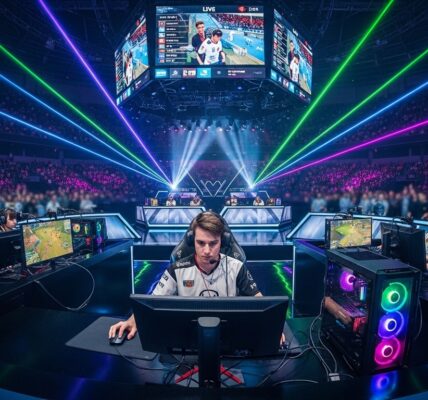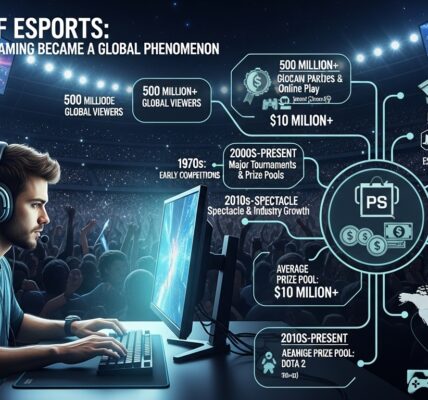
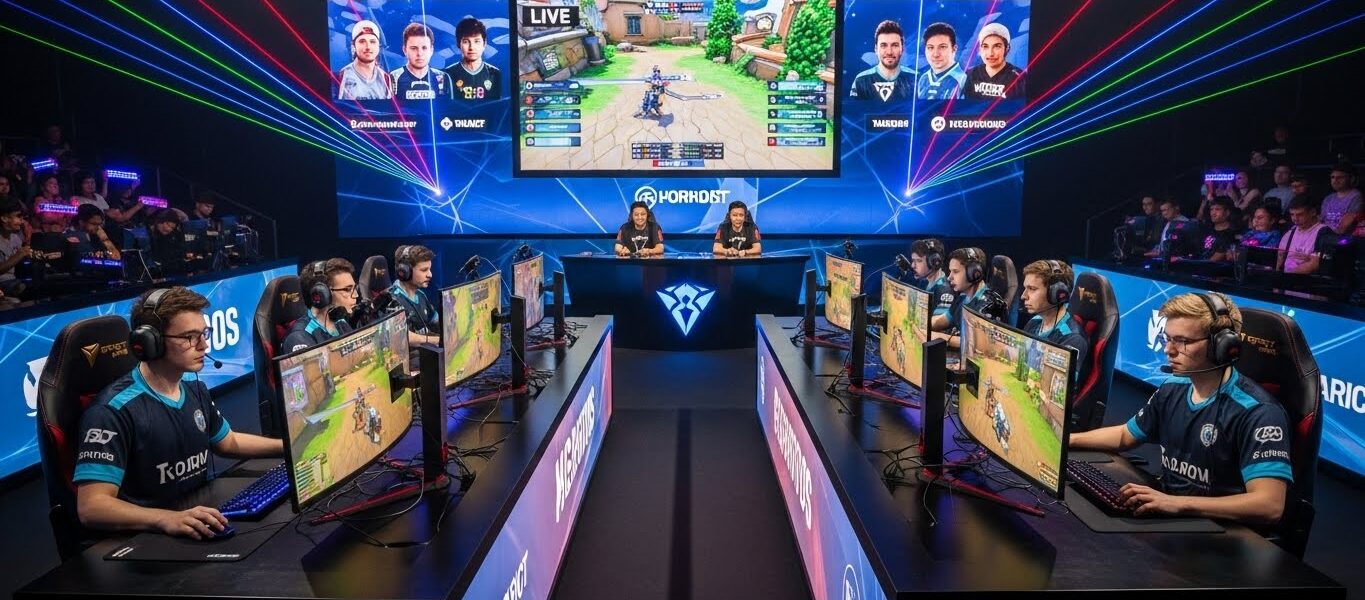

Esports has evolved from a niche hobby into a global phenomenon, captivating millions of fans and redefining what it means to compete. Once considered merely a pastime for casual gamers, competitive gaming now attracts professional athletes, massive audiences, and multimillion-dollar investments. The rise of esports reflects a broader cultural shift, demonstrating that skill, strategy, and teamwork are just as valuable in the digital arena as they are on traditional playing fields.
What Is Esports? Understanding the Digital Competition
At its core, esports, or electronic sports, refers to organized competitive gaming. Unlike traditional sports, which rely heavily on physical ability, esports emphasizes reflexes, strategy, decision-making, and teamwork. Players engage in tournaments for a wide range of games, from real-time strategy titles like StarCraft to multiplayer online battle arenas such as League of Legends and Dota 2. First-person shooters like Counter-Strike and battle royale games such as Fortnite also draw millions of competitive players worldwide.
Professional esports players dedicate countless hours to refining their skills, developing strategies, and studying their opponents. Training often mirrors that of conventional athletes, including scheduled practice sessions, mental conditioning, and even physical exercises to enhance reflexes and endurance. The level of dedication and professionalism in esports has helped it gain legitimacy as a competitive sport, attracting sponsorships, media coverage, and fan support worldwide.
The Global Explosion of Esports
Esports has experienced exponential growth over the last decade. Asia, particularly South Korea and China, has been a trailblazer in this industry. South Korea’s StarCraft tournaments in the early 2000s set the stage for modern esports, with professional players becoming celebrities and competitions being broadcast on national television.
In recent years, North America and Europe have also become major hubs for competitive gaming. Platforms like Twitch and YouTube have allowed fans to watch matches live, interact with players, and follow their favorite teams. Major tournaments now fill stadiums, rivaling traditional sports events in scale and excitement. The industry’s global expansion has also encouraged universities and colleges to offer esports scholarships, treating gaming as a legitimate pathway for education and career development.
Esports as a Cultural Phenomenon
Esports is more than just competition; it is a cultural movement. It connects people worldwide through shared experiences, online communities, and fandom. Spectators are actively involved, participating in discussions, streaming sessions, and fan events, fostering a sense of belonging among diverse audiences.
This cultural impact has challenged traditional definitions of sports. Mental acuity, strategic planning, and teamwork are celebrated in esports, highlighting the intellectual and skill-based nature of digital competition. Moreover, esports has inspired a new generation of fans and players who might not have been engaged with traditional sports, emphasizing inclusivity and accessibility.
Economic Significance of Esports
The financial impact of esports is enormous. The industry generates billions annually through sponsorships, advertising, merchandise, streaming revenue, and ticket sales. Major brands across various sectors, from technology to apparel, invest in esports as a way to connect with younger, digitally native audiences.
Tournament prize pools have also grown substantially, sometimes reaching millions of dollars. This financial incentive attracts talented players and motivates them to pursue professional careers. Beyond players, esports has created employment opportunities in event management, broadcasting, content creation, coaching, game development, and analytics. This broad economic ecosystem demonstrates the industry’s influence and sustainability.
Challenges Facing Esports
Despite its remarkable growth, esports faces several challenges. One of the most significant is player health. Long hours of practice, high-pressure competition, and constant screen time can lead to burnout, mental fatigue, and physical strain, such as repetitive stress injuries or eye problems. Ensuring player well-being is crucial for sustaining the industry.
Regulation is another challenge. Unlike traditional sports with established governing bodies, esports lacks a unified structure. This can result in inconsistent rules, disputes, and unfair practices. Establishing standard regulations and promoting fair play is essential for credibility and long-term growth.
Additionally, societal perceptions still pose obstacles. While esports has gained legitimacy, some critics view it as mere entertainment rather than a serious career or competitive field. Overcoming these misconceptions requires education, media representation, and continued professionalization.
The Role of Technology in Esports
Technology is the backbone of esports. High-speed internet, powerful gaming hardware, and sophisticated streaming platforms allow players to compete and audiences to engage globally. Virtual reality and augmented reality are starting to enhance the spectator experience, while cloud gaming promises broader access and lower entry barriers.
Data analytics has become a crucial component of professional gaming. Teams analyze player performance, strategies, and in-game statistics to gain competitive advantages. This analytical approach mirrors that of conventional sports, emphasizing precision, planning, and continuous improvement.
Streaming platforms have also democratized access to esports. Amateur players can broadcast their gameplay, build audiences, and even attract sponsorships. This accessibility encourages participation and fosters a vibrant, interactive community around esports.
Esports and Education
Esports has begun to intersect with education in innovative ways. Some schools and universities now offer esports programs, integrating competitive gaming with curriculum development, teamwork training, and career preparation. Scholarships for esports athletes recognize gaming skill as a legitimate talent, providing students with financial support and educational opportunities.
Beyond scholarships, esports teaches valuable skills applicable outside the digital arena. Strategic thinking, leadership, communication, and problem-solving are all cultivated through competitive play. These skills prepare students for diverse careers in technology, management, and media, highlighting the educational potential of esports.
Inclusivity and Diversity in Esports
One of the most promising trends in esports is the push for inclusivity. Historically dominated by young male players, esports is gradually becoming more welcoming to women, older adults, and individuals with disabilities. Developers and tournament organizers are increasingly emphasizing accessibility, safe community spaces, and opportunities for all players.
This inclusivity benefits both the industry and society. A more diverse player base enhances competition, innovation, and creativity, while fostering a culture of respect and collaboration. As esports continues to grow, embracing diversity will be key to sustaining its popularity and relevance.
The Future of Esports
The future of esports is bright, with potential for continued growth, technological innovation, and cultural impact. Virtual reality competitions, global tournaments, and crossover events with traditional sports are likely to become more common. Esports may also expand into new educational, therapeutic, and professional arenas, demonstrating its versatility beyond entertainment.
Collaboration with mainstream media and traditional sports leagues will continue to blur the line between digital and physical competition. This convergence creates opportunities for unique fan experiences, larger audiences, and greater commercial success. As technology advances, esports will become increasingly immersive, interactive, and influential in society.
Conclusion: The Lasting Impact of Esports
Esports has grown from casual gaming into a global cultural and economic force. It celebrates skill, strategy, teamwork, and creativity, offering a new form of competition that rivals traditional sports. With millions of fans, professional leagues, and substantial financial investment, esports is no longer just a hobby—it is a legitimate industry with a lasting impact on culture, education, and technology.
While challenges remain, including player health, regulation, and public perception, the resilience and innovation within the esports community suggest a bright and enduring future. Esports represents more than just digital entertainment; it is a testament to human ingenuity, collaboration, and the evolving definition of competition in the modern world.
As audiences continue to grow, technology continues to evolve, and players continue to push boundaries, esports will remain at the forefront of cultural innovation and competitive spirit, inspiring generations of gamers and fans to embrace the digital arena.