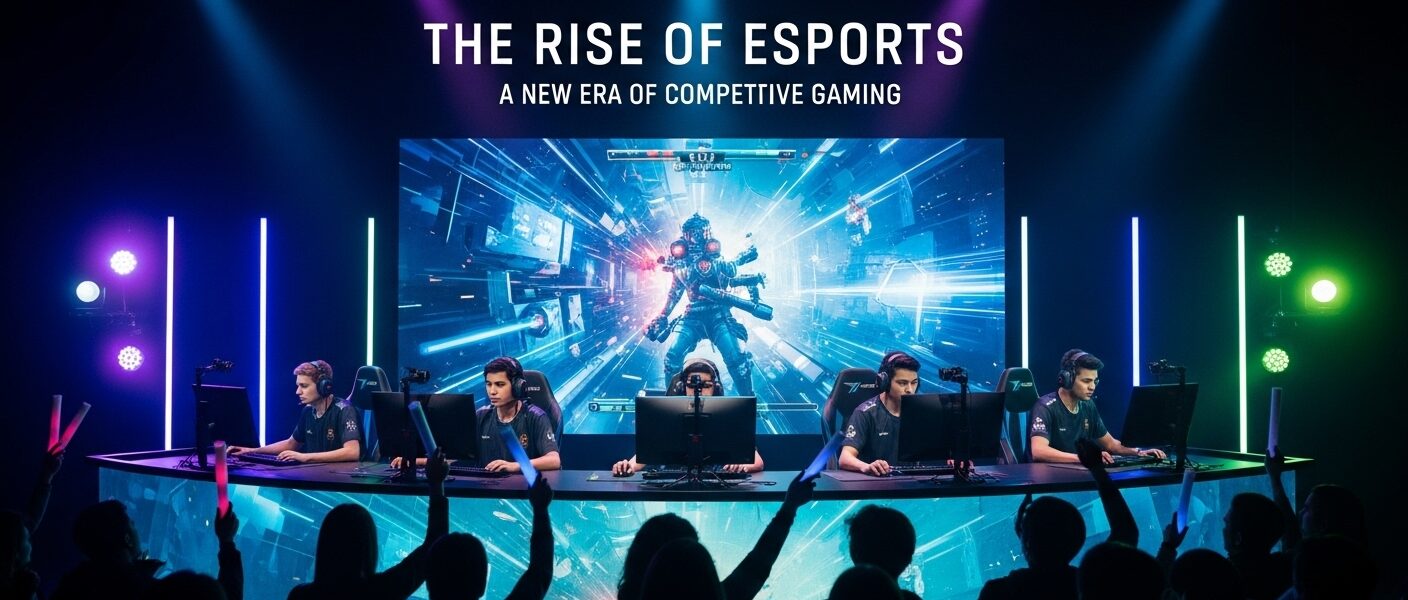

The Rise of Esports
Over the past two decades, Esports has evolved from a small, niche activity to one of the largest entertainment industries in the world. What was once seen as a hobby for gamers in dark rooms has now become a global phenomenon, attracting millions of players, spectators, and sponsors. The term “Esports” refers to organized competitive gaming where individuals or teams compete in various video games for recognition, prizes, and fame. From humble beginnings in small gaming cafes to massive international tournaments filling stadiums, the journey of Esports is a fascinating story of passion, technology, and community.
In the early 2000s, gaming was primarily considered a leisure activity. Players gathered in local arcades or over local area networks to compete for fun. Titles like Counter-Strike, StarCraft, and Warcraft III laid the foundation for competitive gaming culture. The advancement of the internet played a crucial role, enabling global multiplayer experiences and making it possible for players from different continents to compete against each other. What started as small online matches evolved into professional competitions with structured leagues, team organizations, and even salaried players.
The Transformation from Hobby to Profession
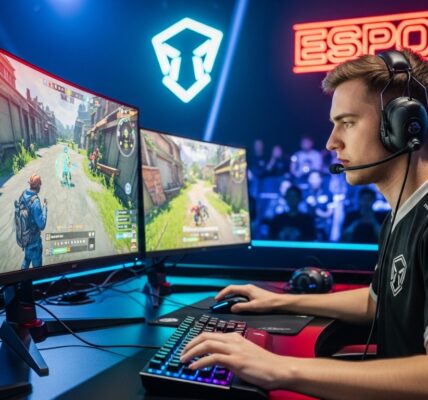
Esports transformed gaming from a recreational pastime to a viable career. Professional players now train for hours each day, just like traditional athletes. They study strategies, analyze gameplay footage, and collaborate with coaches and analysts to improve performance. With the establishment of professional teams, sponsorships, and global tournaments, gaming has become a legitimate profession for many individuals worldwide.
Organizations such as Team Liquid, Fnatic, and T1 have built international reputations, with their players becoming household names. The life of a professional Esports player is not easy—it requires discipline, teamwork, and an incredible understanding of game mechanics. Prize pools in major tournaments have reached millions of dollars, making Esports one of the most financially rewarding entertainment sectors.
The recognition of Esports as a professional field has also been boosted by universities and governments. Many institutions now offer Esports scholarships, while countries like South Korea and China treat Esports as a national sport. These developments have given legitimacy to what was once dismissed as “just gaming.”
Popular Esports Titles
Esports encompasses a wide range of games, each with its own competitive scene and fan base. Some of the most iconic titles include League of Legends, Dota 2, Counter-Strike: Global Offensive, Valorant, Overwatch, Fortnite, and Call of Duty. Each of these games has unique mechanics, objectives, and playstyles that appeal to different audiences.
League of Legends and Dota 2 dominate the Multiplayer Online Battle Arena (MOBA) genre. These games require strategic thinking, teamwork, and split-second decision-making. The annual League of Legends World Championship and The International for Dota 2 attract millions of viewers globally, rivaling even the biggest traditional sports events.
First-person shooters like Counter-Strike and Valorant bring intense, fast-paced action to the Esports arena. They require reflexes, precision, and strategic communication between teammates. Fortnite, on the other hand, combines survival, building, and creativity, creating a unique competitive landscape that appeals to younger players.
The Role of Streaming and Content Creation
One of the biggest catalysts for the growth of Esports has been streaming platforms. The rise of live-streaming changed the way people consume gaming content. Platforms like Twitch and YouTube Gaming have made it possible for fans to watch matches live, interact with players, and become part of the community.
Streaming has also given rise to a new kind of celebrity—the gaming content creator. Streamers entertain, educate, and connect with their audiences on a personal level. Many professional players also stream their practice sessions, allowing fans to see behind the scenes of competitive gaming. This direct interaction between players and fans has helped build loyal communities and has contributed significantly to the popularity of Esports.
The Economic Impact of Esports
The economic influence of Esports extends far beyond tournament prize pools. The industry generates revenue through sponsorships, advertising, ticket sales, merchandise, and digital content. Major brands from various sectors—ranging from technology to fashion—have invested in Esports due to its immense reach and engagement with younger audiences.
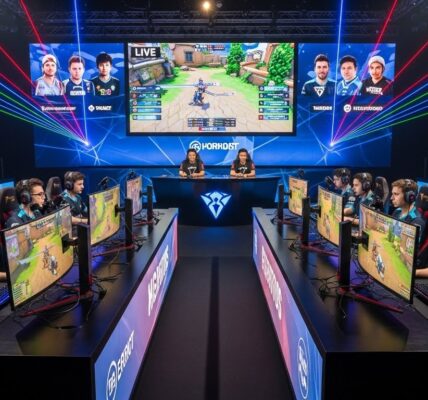
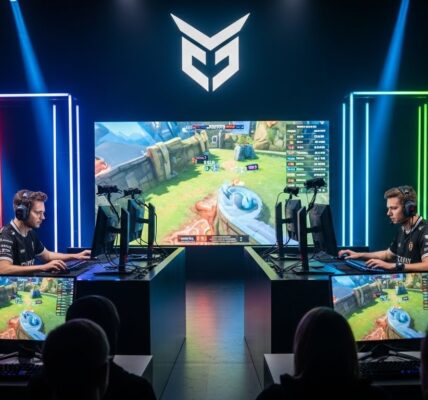
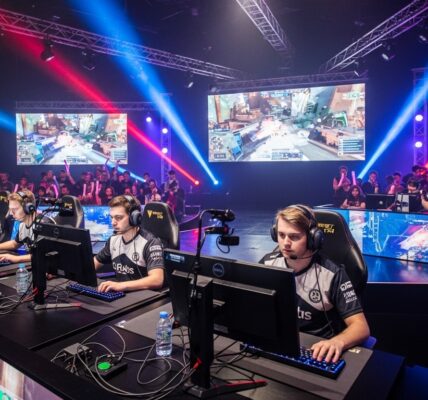
Esports has also become a key part of the entertainment ecosystem. Stadiums and arenas once reserved for traditional sports now host gaming tournaments, complete with massive screens, lighting effects, and live commentators. Cities compete to host Esports events because of the tourism and business opportunities they bring.
Furthermore, Esports has created a diverse range of jobs beyond professional gaming. Event organizers, commentators (often called “casters”), analysts, coaches, production staff, marketing specialists, and software developers all play essential roles in supporting the industry. It has become a full-fledged ecosystem providing career opportunities for thousands around the world.
The Globalization of Esports
Esports is not confined to one region or culture—it is truly global. Asia, particularly South Korea and China, has been at the forefront of Esports development. South Korea’s Esports infrastructure, including dedicated television channels and training facilities, set a precedent for the rest of the world. China’s enormous gaming market has driven international interest and funding.
In North America and Europe, Esports continues to grow rapidly, with teams and leagues forming across countries. The Middle East and South America are emerging as promising markets, investing in Esports education and infrastructure. Africa, too, is beginning to show growth potential as internet access expands and gaming becomes more affordable.
The universality of Esports is one of its greatest strengths. Language barriers are minimal, and the excitement of competition transcends cultural boundaries. Whether it’s a teenager in Pakistan, a student in Germany, or a professional in South Korea, the love for gaming unites people across the world.
Esports and Traditional Sports: A New Rivalry
The rise of Esports has sparked comparisons with traditional sports. Some argue that Esports cannot be considered a “real sport” because it lacks physical exertion. However, this perspective overlooks the cognitive and psychological challenges that professional gamers face. Reaction times, hand-eye coordination, focus, and teamwork are just as vital in Esports as in any other sport.
In fact, many sports organizations have begun embracing Esports. Football clubs, basketball teams, and racing associations have launched their own Esports divisions. Events like the Formula 1 Esports Series and FIFA eWorld Cup bridge the gap between virtual and physical sports. Even during times when live sports were halted, Esports continued to thrive, proving its adaptability and resilience.
Esports and traditional sports share similar audience dynamics—fans follow their favorite players, teams, and tournaments. The emotional connection between player and fan is strong, creating a sense of belonging and shared excitement. This crossover has helped Esports gain mainstream acceptance and integrate into the global entertainment landscape.
The Psychology of Competitive Gaming
Behind the flashing screens and loud crowds, the world of Esports involves intense psychological pressure. Players must maintain focus for hours, deal with stress, and perform consistently under high stakes. Mental fortitude is as important as mechanical skill.
Many professional players work with sports psychologists to manage anxiety and develop strategies for concentration and resilience. The competitive nature of Esports can lead to burnout, especially given the young age of most players. Teams now prioritize mental health and physical well-being, recognizing that a healthy mind and body contribute to better performance.
Esports also fosters positive psychological traits. It encourages teamwork, problem-solving, communication, and adaptability. Players learn to analyze situations quickly and make data-driven decisions, skills that are valuable beyond gaming.
Esports in Education and Society
Educational institutions have begun recognizing the value of Esports as both a learning tool and a career path. Schools and universities across the world now include Esports clubs, teams, and degree programs. Students can pursue studies in Esports management, game design, broadcasting, and marketing.
The inclusion of Esports in education promotes digital literacy and teamwork among students. It provides a platform for youth to express creativity, develop leadership, and engage in global communities. Moreover, Esports programs encourage inclusivity by attracting students who may not participate in traditional sports but still seek teamwork and competition.
Societally, Esports challenges stereotypes about gaming. It proves that gaming can be more than entertainment—it can be a career, a sport, and a form of art. The visibility of successful professional gamers has changed perceptions and inspired new generations to explore possibilities within the digital world.
The Role of Technology in Esports Evolution
Technology has been the backbone of Esports’ success. High-speed internet, powerful computers, and advanced gaming peripherals have enabled smooth, competitive gameplay. Innovations like virtual reality, augmented reality, and artificial intelligence are opening new frontiers for interactive and immersive Esports experiences.
Cloud gaming and 5G networks have further democratized access, allowing players from regions with limited hardware resources to participate competitively. Broadcasting technologies have also advanced, delivering high-definition streams with real-time statistics and commentary to audiences worldwide.
Artificial intelligence is being used for coaching, analytics, and anti-cheat systems. Developers use data from millions of matches to improve game balance and enhance competitive integrity. As technology continues to advance, the boundaries of Esports will continue to expand.
The Future of Esports
The future of Esports looks bright and boundless. Analysts predict that Esports will continue to grow in audience size, revenue, and cultural impact. As virtual reality and metaverse technologies evolve, the line between gaming and real-world experience will blur even further.
Esports may soon become a permanent fixture in global sporting events, potentially even finding a place in future Olympic programs. Governments and organizations around the world are working to establish regulations, training programs, and support structures to ensure sustainable growth.
At the same time, inclusivity and diversity are becoming major focuses. Efforts are being made to increase the participation of women, differently-abled individuals, and underrepresented communities in the Esports scene. This inclusivity will not only broaden the player base but also enrich the creative and social fabric of the industry.
Conclusion
Esports is more than just a form of entertainment—it is a reflection of the modern digital age. It combines technology, creativity, competition, and community in a way no other industry does. From its modest beginnings to its current global dominance, Esports represents the power of innovation and passion.
It has created careers, inspired millions, and transformed gaming into a cultural force that transcends borders. As technology advances and societies continue to embrace digital culture, Esports will undoubtedly play an even more significant role in shaping the future of entertainment and human connection.
The story of Esports is not just about video games—it is about people, dreams, and the endless possibilities of a connected world.