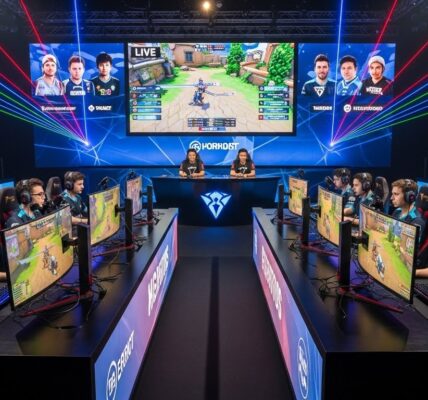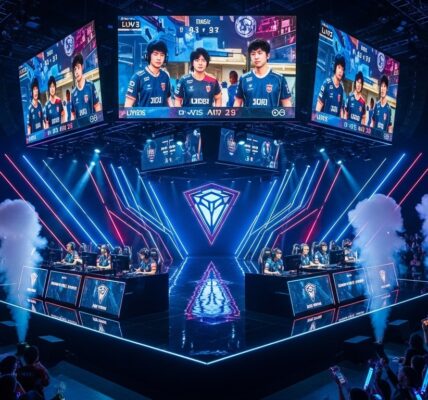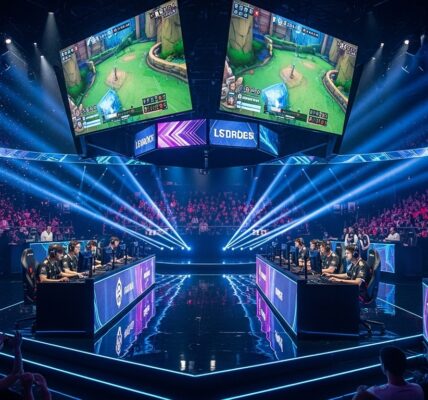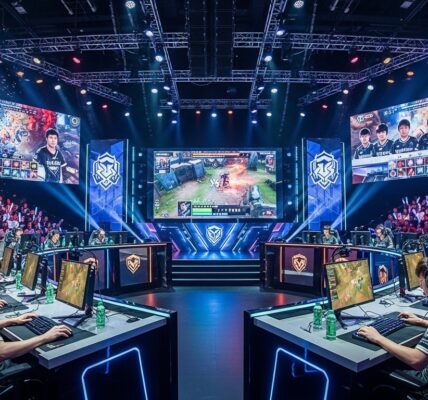
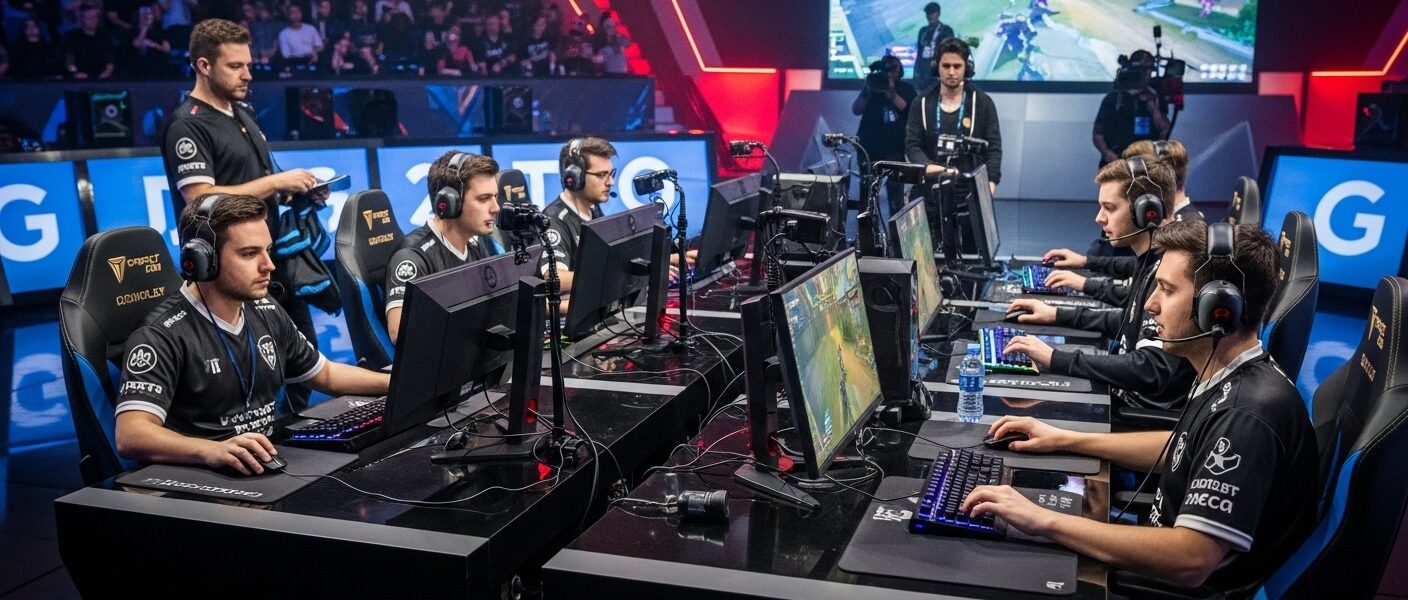

In the past few decades, video games have transformed from a simple pastime into one of the world’s largest entertainment industries. Among the many branches of gaming, one stands out for its explosive growth, passionate following, and massive influence: esports. Once considered a niche hobby for teenagers, esports has grown into a billion-dollar global industry with professional players, packed arenas, international tournaments, and millions of fans watching live streams around the world. This is the story of how competitive gaming evolved into a dominant cultural and economic force — and what the future might hold for it.
The Origins of Competitive Gaming
The roots of esports can be traced back to the earliest days of video games in the 1970s and 1980s. Competitive play existed even before the term “esports” was coined. In 1972, students at Stanford University held a small competition for the game Spacewar!, with the grand prize being a year’s subscription to Rolling Stone magazine. While humble by today’s standards, that moment marked the beginning of organized competitive gaming.
Through the 1980s, arcades became the birthplace of competition. Players would line up to take turns at machines like Pac-Man and Donkey Kong, competing for the highest score on the leaderboard. These simple displays of achievement fostered a spirit of rivalry and pride. The first major gaming tournament, the Space Invaders Championship hosted by Atari in 1980, attracted over ten thousand participants across the United States. It was one of the earliest signs that gaming could unite large numbers of people under a shared passion for competition.
The 1990s brought rapid technological advancements, home consoles, and the rise of local area network (LAN) gaming. Titles like Street Fighter II, Quake, and StarCraft became central to early esports culture. LAN parties, where players connected computers in person to compete, became the training grounds for competitive play. Korea, in particular, embraced gaming as a cultural movement during this era. The government invested in broadband infrastructure, which allowed high-speed online play long before it was common elsewhere. This investment would later help Korea become the heart of global esports.
The Birth of Modern Esports
While the 1990s laid the groundwork, the 2000s marked the true birth of modern esports. Broadband internet made online multiplayer gaming more accessible, while games such as Counter-Strike, Warcraft III, Halo, and StarCraft: Brood War established organized leagues and professional players. Korea once again led the charge with television networks dedicated to broadcasting matches. Players like Lim “BoxeR” Yo-hwan became national celebrities, drawing millions of fans and proving that gaming could be more than just a hobby — it could be a career.
In the West, early organizations like Major League Gaming (MLG) in North America and the Electronic Sports League (ESL) in Europe began to host structured competitions. These events provided not only prize money but also recognition. For the first time, gamers were being treated like athletes, complete with sponsorships, salaries, and international fame.
The Explosion of Streaming and Global Viewership
The next great leap in esports came with the rise of live streaming platforms. When Twitch launched in 2011, it revolutionized how fans consumed gaming content. Viewers could now watch their favorite players live from anywhere in the world. This democratized access changed everything. Players no longer needed to rely on traditional television broadcasts; anyone could start streaming, build an audience, and participate in the growing esports ecosystem.
Games like League of Legends, Dota 2, and Counter-Strike: Global Offensive became global phenomena, each supported by massive communities. The accessibility of Twitch and YouTube Gaming allowed tournaments to reach millions of viewers, rivaling traditional sports events in viewership numbers. The 2013 League of Legends World Championship filled the Staples Center in Los Angeles, while millions more watched online. Just a few years later, Dota 2’s International tournament boasted prize pools exceeding $30 million, an unprecedented figure in competitive gaming.
The popularity of streaming also reshaped the relationship between players and fans. Esports athletes became influencers, entertainers, and entrepreneurs. Their ability to connect directly with audiences helped cultivate a passionate global community. The culture surrounding esports became more diverse, encompassing not only players but also casters, analysts, content creators, and event organizers.
Esports as a Legitimate Sport
For many years, critics dismissed esports as “just playing video games.” But as the industry matured, the debate over whether esports counted as a “real sport” began to shift. Professional players train rigorously, often practicing for ten or more hours a day. They study strategies, review replays, and develop physical and mental discipline similar to traditional athletes. Reaction time, teamwork, communication, and focus are all essential to success.
Universities began offering esports scholarships, and traditional sports franchises started investing in teams. The NBA established the NBA 2K League, soccer clubs launched FIFA teams, and major sports organizations recognized esports as a parallel avenue for competition and entertainment. The International Olympic Committee even explored the possibility of including esports in future Olympic events, a sign of how far competitive gaming had come in terms of global legitimacy.
Moreover, esports events mirror traditional sports in scale and production. Massive arenas filled with cheering fans, commentators providing live analysis, and elaborate stage designs with light shows and music create an atmosphere of spectacle. The skill on display is real, and the passion from fans is undeniable. Esports is not a replacement for traditional sports — it’s an evolution of competition in the digital age.
The Economics of Esports
Behind the thrilling matches and passionate fanbases lies a complex and lucrative business ecosystem. Esports generates revenue through sponsorships, media rights, advertising, merchandise, and ticket sales. Game publishers like Riot Games, Valve, and Blizzard play a major role, as they own the intellectual property and organize major tournaments.
Sponsorships have become one of the largest sources of income. Companies from diverse industries — technology, energy drinks, apparel, and even banking — have recognized the marketing potential of reaching younger, digitally engaged audiences through esports. Brands like Intel, Red Bull, and Mercedes-Benz have become regular fixtures in major tournaments.
Prize pools continue to grow each year. Valve’s The International 2019 set a record with a prize pool of over $34 million, largely funded by player contributions through in-game purchases. This community-driven approach highlights one of esports’ greatest strengths: fan engagement. Unlike many traditional sports, esports audiences actively participate in shaping the ecosystem, whether through crowdfunding, voting, or direct support of their favorite teams.
Media rights are another rapidly growing sector. Streaming platforms compete for exclusive broadcasting deals, mirroring the dynamics of traditional sports media. With millions of viewers tuning in, esports represents a valuable opportunity for advertisers and investors alike.
The Culture of Esports and Its Community
Beyond the numbers and business deals, esports has cultivated a vibrant and inclusive culture. It’s not limited by geography, language, or background. A player from Seoul can face off against one from Berlin, while fans from all over the world come together online to celebrate their shared love for the game. This global interconnectedness has made esports one of the most culturally significant movements of the 21st century.
The sense of community is powerful. Online forums, social media, and streaming platforms allow fans to interact directly with players and teams. Memes, highlights, and creative fan art form part of the daily rhythm of esports culture. The excitement of competition, the heartbreak of defeat, and the joy of victory all resonate deeply with fans who see themselves reflected in their favorite players.
Moreover, esports has become a vehicle for self-expression and identity. Many fans see gaming not only as entertainment but as a lifestyle. Esports apparel, team branding, and digital collectibles have become extensions of fandom. The lines between player, fan, and creator continue to blur, fostering a dynamic ecosystem built on participation and creativity.
Challenges and Controversies in Esports
Despite its remarkable success, esports faces numerous challenges. The industry’s rapid growth has exposed weaknesses in infrastructure, regulation, and player welfare. Burnout is a major issue; professional players often retire in their early twenties due to the intense training schedules and pressure to perform. Mental health concerns, such as stress and anxiety, are increasingly recognized as critical problems that need better support systems.
Another concern lies in fairness and integrity. Issues such as cheating, match-fixing, and hacking have occasionally tarnished esports’ reputation. Ensuring fair play in digital environments requires constant vigilance, advanced technology, and ethical oversight.
Gender inequality is another ongoing issue. While women make up a large portion of the gaming audience, female representation in professional esports remains low. However, this is slowly changing as more organizations and initiatives work to create inclusive spaces where everyone can compete and thrive.
The question of stability also looms large. Unlike traditional sports with long-standing institutions, esports depends heavily on the games themselves. If a title loses popularity, the associated league or scene can decline quickly. Sustainability requires collaboration between publishers, teams, and sponsors to ensure that esports ecosystems remain viable in the long term.
The Role of Technology and Innovation
Esports thrives on technological innovation. High-speed internet, powerful hardware, and advanced software have made global competition possible. The development of gaming engines, real-time broadcasting tools, and virtual production techniques have elevated esports to cinematic levels of presentation.
Virtual reality and augmented reality are also beginning to influence the industry. These technologies have the potential to create new genres of competitive gaming and enhance viewer engagement. Artificial intelligence is being used for coaching, analytics, and strategy development, providing teams with insights that were once unimaginable.
Furthermore, the rise of blockchain and digital assets has introduced new forms of monetization and fan engagement. From player-owned digital collectibles to decentralized tournament funding, the boundaries of esports economics continue to expand.
The Education and Career Opportunities in Esports
What was once a dream for hobbyists has now become a viable career path. Beyond professional players, esports has created thousands of jobs across multiple disciplines. Coaches, analysts, production crews, event managers, marketers, and journalists all contribute to the ecosystem. Universities around the world now offer degrees in esports management, game design, and digital media production.
Educational institutions see esports as an opportunity to engage students in technology, teamwork, and leadership. High schools and colleges have established competitive teams, treating esports with the same respect as traditional athletics. This recognition is vital for legitimizing gaming as both an educational and professional pursuit.
Esports also promotes transferable skills. Strategic thinking, collaboration, and adaptability are valuable in both gaming and the modern workplace. As digital literacy becomes increasingly important, esports provides a meaningful avenue for young people to develop these competencies while pursuing their passions.
Esports and the Global Entertainment Landscape
Esports is not just a form of competition; it’s a cornerstone of modern entertainment. Major events are now held in stadiums that once hosted rock concerts and world cup matches. The production value rivals that of Hollywood films, complete with storytelling, commentary, and spectacle.
The lines between gaming, music, and pop culture have blurred. Game publishers partner with artists for live performances during tournaments, and popular streamers collaborate with celebrities. The convergence of these worlds has made esports a defining element of digital-age entertainment.
Streaming platforms have turned viewers into participants. Chat interactions, virtual cheers, and digital gifts allow fans to be part of the event in real time. This level of interactivity sets esports apart from traditional media, creating an experience that feels personal and communal.
The Future of Esports
As we look toward the future, esports shows no signs of slowing down. The global audience continues to grow, with projections suggesting hundreds of millions of regular viewers in the coming years. Emerging markets in Southeast Asia, Latin America, and Africa are fueling further expansion.
Esports could soon rival — or even surpass — traditional sports in cultural relevance. Younger generations who grew up watching gaming competitions are shaping the entertainment preferences of tomorrow. New technologies like cloud gaming will make competitive play more accessible, allowing anyone with a smartphone or tablet to participate.
There’s also growing interest in integrating esports into mainstream sports institutions. National Olympic committees, schools, and community programs are exploring ways to incorporate gaming into their offerings. This blending of physical and digital sports may redefine what it means to be an athlete in the 21st century.
At its core, esports represents a celebration of human skill, creativity, and connection. It transcends borders, languages, and backgrounds, uniting millions through shared passion. Whether you are a casual viewer or a dedicated competitor, esports reminds us that the spirit of competition can thrive anywhere — even in the digital worlds we create.
Conclusion: The Power and Potential of Esports
Esports has traveled a long road from the dimly lit arcades of the 1980s to the dazzling arenas of today. It has grown from small local tournaments into an industry that commands the attention of millions. The journey reflects not only technological advancement but also the universal human desire to compete, connect, and celebrate skill.
As the lines between reality and the virtual world continue to blur, esports stands as a testament to the limitless potential of human imagination. It is no longer just about winning a game; it is about innovation, community, and the evolution of culture itself. The players who once dreamed of turning their passion into a profession have paved the way for future generations.
Esports has proven that competition can take many forms, and that excellence is not confined to physical arenas. It is a reflection of our modern era — digital, connected, and constantly evolving. Whether you are watching a championship match, cheering for your favorite team, or simply playing for fun, you are part of a movement that is shaping the future of entertainment.