
Introduction: The Global Phenomenon of Esports
Esports, once a niche pastime for gamers, has rapidly evolved into a global industry that is redefining the concept of competitive entertainment. What started as small, localized competitions between friends or at local LAN parties has now expanded into a multi-billion-dollar industry, drawing millions of viewers and players from all corners of the world. With prize pools reaching tens of millions of dollars and a professional infrastructure that mirrors that of traditional sports, esports has firmly established itself as a major player in the world of entertainment.
Today, esports is not just about playing games; it’s about building a community, creating professional careers, and even achieving celebrity status for some of its top players. This blog will take a deep dive into the world of esports, exploring how it came to be, the factors driving its growth, the key components of its success, and the future of competitive gaming.
The Genesis of Esports: A Humble Beginning
The origins of competitive gaming trace back to the early days of video games, when players would challenge each other for high scores in arcade games. In 1980, the Space Invaders Championship was held in the United States, marking one of the first-ever competitive gaming events. Although small in scale, this tournament sowed the seeds of what would eventually become a massive global industry.
As technology improved throughout the 1990s, the gaming landscape began to shift. The advent of personal computers and the rise of multiplayer games like Quake and StarCraft introduced the concept of online gaming, allowing players to compete against one another from different locations. This was the beginning of what we now recognize as esports—competitive gaming organized around multiplayer video games played online or in tournaments. South Korea played a key role in the early development of esports. With the launch of high-speed internet in the country and the explosive popularity of StarCraft, South Korea became the epicenter of competitive gaming, with televised tournaments and live events drawing huge audiences.
The Streaming Revolution: Esports Goes Global
One of the pivotal moments in the rise of esports came with the advent of streaming platforms. In 2011, Twitch, a live-streaming platform for gamers, was launched, allowing individuals to broadcast their gameplay to a global audience. Twitch’s arrival transformed the esports landscape by offering an accessible, real-time medium for fans to watch tournaments, follow top players, and interact with one another. This breakthrough opened the floodgates for esports, giving it a worldwide audience and helping turn gaming into a legitimate form of entertainment.
Before streaming, esports had to rely on traditional broadcast television or physical venues to reach audiences. While these methods were effective to some extent, they limited the reach of esports to a niche group of viewers. Streaming platforms like Twitch revolutionized the scene by allowing fans to watch live tournaments, chat with players, and even donate money to their favorite streamers—all in real time.
The growth of streaming not only allowed fans to engage with esports in new ways but also helped esports influencers and players build dedicated communities. Streamers like Ninja, Shroud, and PewDiePie, for instance, amassed millions of followers, turning gaming into a full-fledged career for those with the right skill set and personality. With easy access to live content, esports blossomed, attracting new fans and sponsorships from major global brands.
The Financial Boom: Sponsorships, Prize Pools, and Salaries
Esports has gone from a small subculture to a multi-billion-dollar industry. One of the driving forces behind its rapid expansion has been the influx of sponsorships and investments. As esports grew in popularity, it attracted the attention of major brands across various industries, from tech companies like Intel and Nvidia to beverage giants like Red Bull and Coca-Cola. These companies recognized the value of reaching the young, tech-savvy demographic that makes up the majority of esports fans.
Sponsorships are not limited to just the games themselves; they also extend to professional teams and individual players. Esports organizations like Team Liquid, FaZe Clan, and Cloud9 have established themselves as global brands, and their players are often viewed as celebrities within the gaming community. These teams sign lucrative sponsorship deals with companies, helping to fund player salaries, tournament travel, and other expenses.
Prize pools in major esports tournaments have also seen an astronomical rise. For instance, The International (TI), the world championship for Dota 2, regularly features prize pools exceeding $30 million, with the community contributing a significant portion through crowdfunding. Other major tournaments, such as the League of Legends World Championship, also offer millions in prize money, further elevating the prestige of esports competitions. These prize pools attract the best players from around the world, creating an intense and exciting competitive environment.
The financial success of esports has not only benefited organizations and players but has also created career opportunities for a variety of professionals. From coaches and analysts to event organizers, broadcasters, and content creators, the esports industry offers a wide range of jobs. Many of these roles are now considered full-time careers, with salaries and benefits comparable to those in traditional sports.
Esports as a Profession: The Role of Players, Coaches, and Support Staff
As esports continues to grow, it has become more professionalized. No longer just an activity for hobbyists, competitive gaming now requires skill, training, and dedication akin to traditional sports. The best esports players, like those in games such as League of Legends, Dota 2, and Counter-Strike: Global Offensive, are highly skilled individuals who spend hours every day practicing and honing their craft.
Much like traditional athletes, esports players undergo intense training and competition schedules. Teams hold daily practice sessions, where players work together to refine their strategies, improve communication, and perfect their gameplay mechanics. Many professional players also work with coaches, who help guide them through complex strategies and analyze opponents’ gameplay to gain a competitive edge.
In addition to players and coaches, esports organizations also employ support staff, including analysts, psychologists, and managers. Analysts study the mechanics of the games, providing in-depth reports on tactics and counter-strategies. Psychologists help players deal with the mental and emotional stress that comes with high-level competition. Managers handle the business side of the team, ensuring sponsorships, logistics, and player contracts are properly managed.
This professional ecosystem mirrors that of traditional sports, where teams are composed of players, coaches, and support staff working toward a common goal. The rise of esports as a profession has not only legitimized gaming as a career but has also elevated it to a level of respect and recognition akin to that of professional athletes in traditional sports.
The Spectator Experience: How Fans Engage with Esports
Esports is unique in that it provides fans with an interactive and engaging spectator experience. Unlike traditional sports, where fans primarily watch the game from the stands or on television, esports fans can interact directly with the players, commentators, and fellow viewers through live chats and social media platforms. This interaction fosters a deeper sense of connection between the fans and the esports community.
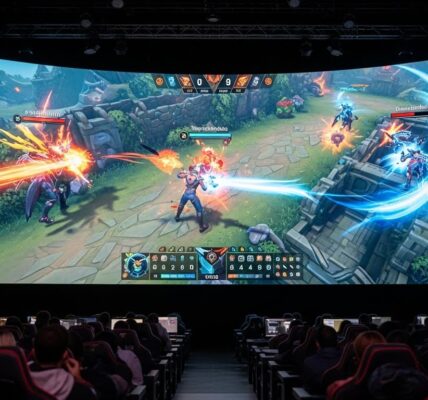
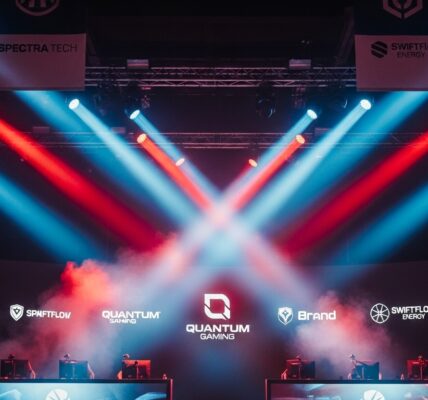
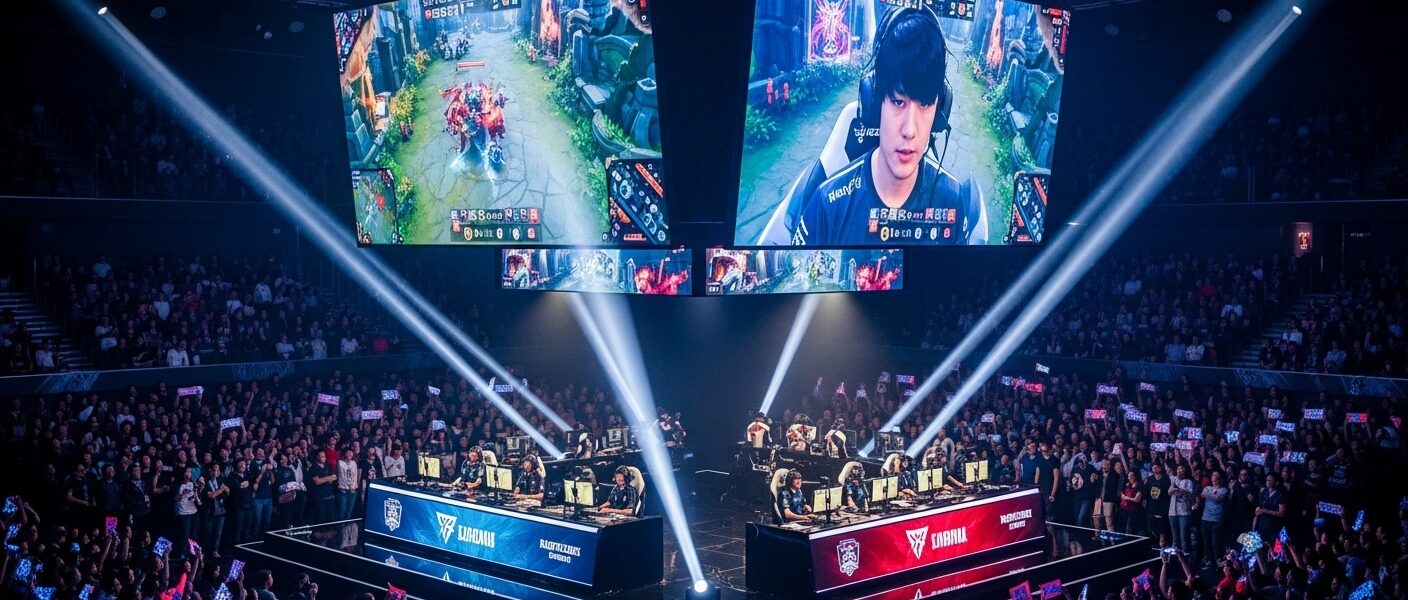
Watching esports is also an immersive experience. Tournaments are often streamed in high-definition with multiple camera angles, on-screen statistics, and live commentary, which makes the viewing experience more dynamic and exciting. Major esports events, such as the League of Legends World Championship or The International, are held in massive arenas with elaborate stage setups, pyrotechnics, and live musical performances, creating an atmosphere akin to a concert or theater production. The production quality of these events is often compared to that of traditional sports broadcasts, further solidifying esports as a legitimate form of entertainment.
For esports fans, attending a live event is an opportunity to be part of something bigger than just a game. Fans chant for their favorite teams, wear merchandise, and engage in community events outside the competition, turning esports tournaments into global cultural events. The energy at these events is palpable, and fans are encouraged to express their loyalty and excitement, making esports a social and communal experience.
The Social Impact of Esports: Building Communities and Fostering Inclusivity
Esports has had a profound social impact, creating a sense of community and belonging for millions of fans around the world. Online gaming and streaming platforms allow players to connect, form friendships, and engage in friendly competition with others, regardless of geographic location. This sense of community has been one of the key factors in the success of esports, as it fosters a shared experience among fans and players alike.
Esports has also proven to be an inclusive space, offering opportunities for individuals of all backgrounds to participate. Unlike traditional sports, which often require physical attributes such as strength or speed, esports is a more level playing field, where strategy, quick thinking, and teamwork are the primary skills needed. This has allowed people from different genders, ages, and socioeconomic backgrounds to excel in esports, creating a diverse and welcoming community.
In addition to promoting inclusivity, esports has also become a platform for philanthropy. Many esports players and organizations actively engage in charitable efforts, using their platforms to raise awareness for causes such as mental health, education, and social justice. Esports tournaments themselves are also increasingly used as fundraising opportunities, with a portion of proceeds going to charitable organizations.
The Future of Esports: Innovation, Expansion, and Global Growth
The future of esports looks incredibly promising. As technology continues to evolve, esports will continue to grow in ways that were previously unimaginable. Virtual reality (VR) and augmented reality (AR) have the potential to take esports to new heights, providing even more immersive and interactive experiences for both players and spectators. Imagine watching an esports tournament where you can virtually step into the game itself, interacting with the environment and players as though you were part of the action.
In addition to technological innovations, the esports market is expected to expand into new regions. While North America, Europe, and Asia currently dominate the esports landscape, emerging markets in Africa, Latin America, and the Middle East offer untapped potential