
Introduction: The Rise of a Digital Phenomenon
In the past two decades, esports has emerged from the fringes of gaming culture to become a global phenomenon. Once considered a niche hobby enjoyed by a few enthusiasts in arcades and small tournaments, competitive gaming now draws millions of fans worldwide. Packed arenas, professional teams, lucrative sponsorships, and live broadcasts have transformed esports into an industry that rivals traditional sports in both popularity and financial impact.
Esports is more than just playing video games. It is a cultural movement, a career pathway, a source of entertainment, and a technological innovation all at once. Understanding its growth, appeal, and potential requires examining its history, organizational structure, audience engagement, and future prospects.
The Origins of Competitive Gaming
Competitive gaming has humble beginnings. In the late 20th century, early video game tournaments were organized around arcade classics such as Pac-Man, Space Invaders, and Donkey Kong. These events were small, localized, and mostly casual, but they established the concept of competition in gaming. Players competed for bragging rights, small prizes, or recognition within their communities.
The 1990s brought home consoles and personal computers into millions of households, expanding the reach of video games. Titles like StarCraft, Quake, and Warcraft III introduced strategic gameplay and teamwork, which encouraged organized competitions. Local LAN parties became hotspots for competitive play, where players physically connected their computers to challenge each other in intense matches.
The rise of the internet revolutionized competitive gaming. Online multiplayer platforms enabled players from across the globe to compete in real time, breaking down geographical barriers and fostering international communities. This global connectivity laid the foundation for the esports ecosystem we know today, where tournaments can feature players from multiple continents competing for substantial prize pools.
Professional Esports Teams and Players
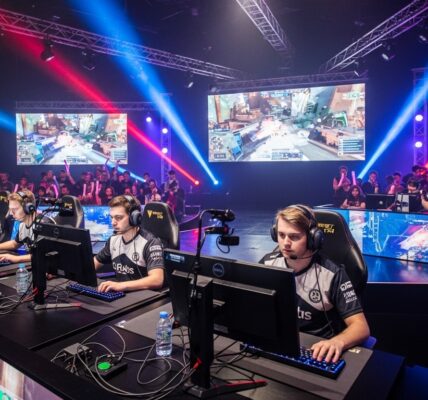
With growing interest came professionalization. Today, esports teams operate much like traditional sports organizations, with management, coaches, analysts, and dedicated training facilities. Players are scouted based on performance, skill, and potential, and once recruited, they often sign contracts that provide salaries, sponsorship deals, and other benefits.
Professional players follow rigorous training schedules, sometimes exceeding ten hours a day. Their routines include practicing mechanics, reviewing match footage, strategizing with teammates, and maintaining physical and mental fitness. High-level competition demands not only skill but also discipline, focus, and resilience under pressure.
Fans are central to the esports ecosystem. Spectators follow players on streaming platforms, attend live tournaments, and engage with teams on social media. The connection between fans and players fosters loyalty, community, and a culture of shared excitement that drives the industry forward.
The Business of Esports
Esports is now a multi-billion-dollar industry with a complex business ecosystem. Revenue streams include sponsorships, advertising, media rights, merchandising, ticket sales, and content creation. Game publishers often fund tournaments, creating prize pools that attract the best talent while boosting engagement and brand recognition.
Sponsorships have become a major source of revenue. Non-gaming brands such as beverage companies, electronics manufacturers, and financial institutions partner with teams and tournaments to reach younger, digitally active audiences. These partnerships inject resources into esports while providing companies with a highly engaged marketing channel.
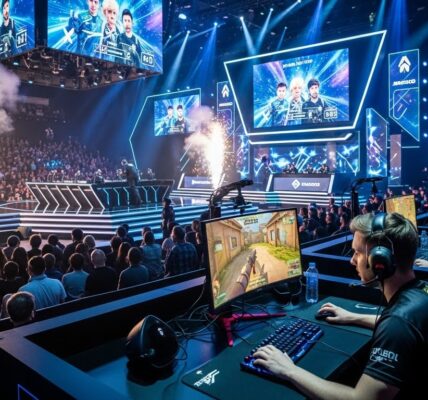
Tournament organizers have elevated production quality to rival traditional sports broadcasts. With live commentary, instant replays, dynamic camera angles, and elaborate stage designs, esports competitions offer a thrilling viewing experience. Major finals are now global events, combining entertainment, drama, and high-stakes competition in a single spectacle.
Popular Esports Genres
The esports landscape is diverse, encompassing multiple genres that appeal to different audiences and skill sets.
Multiplayer Online Battle Arena (MOBA) Games
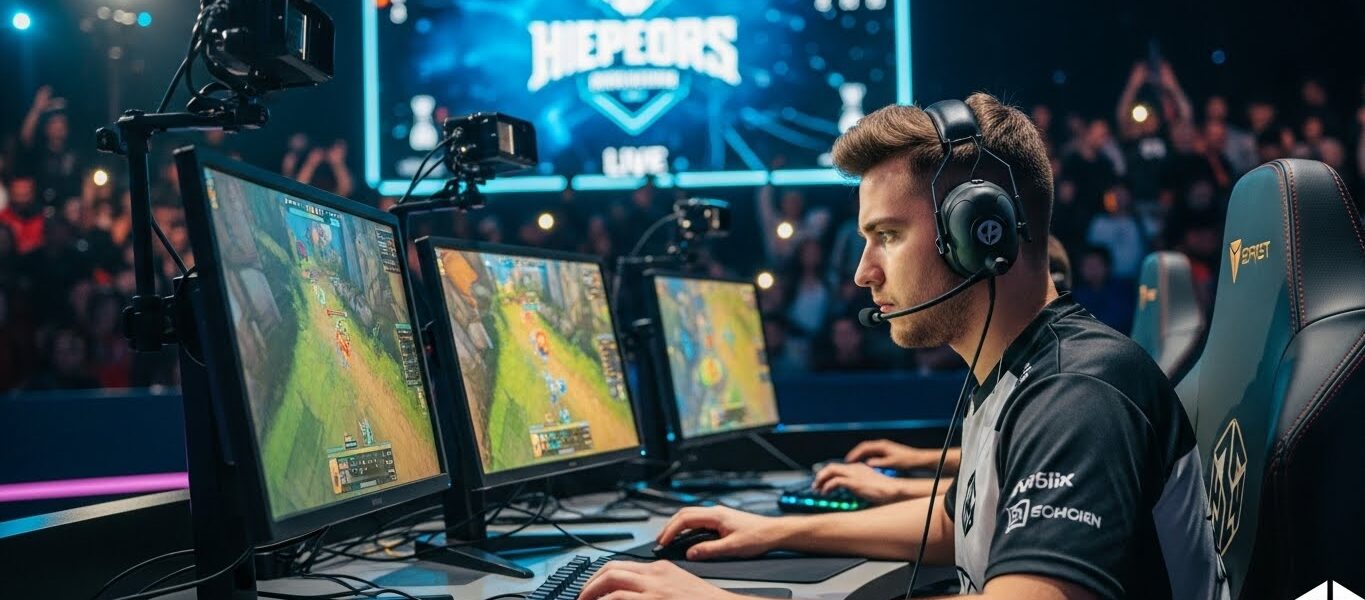
MOBA titles involve two teams battling to destroy each other’s bases while defending their own. Teamwork, coordination, and strategy are essential, making these games both challenging to play and exciting to watch.
First-Person Shooters (FPS)
FPS games demand precision, quick reflexes, and tactical coordination. Teams compete in fast-paced matches where strategy, communication, and mechanical skill determine success.
Battle Royale Games
Battle Royale games involve large-scale survival scenarios where players or teams compete to be the last one standing. The unpredictable nature of each match creates suspense and excitement for viewers.
Fighting Games
One-on-one fighting games focus on skill mastery, timing, and strategy. Matches often require deep knowledge of character abilities and psychological insight into opponents’ behavior.
Sports Simulation Games
These games replicate real-world sports, allowing players to compete using familiar tactics and strategies. Fans of traditional sports often enjoy these titles for their strategic depth and authenticity.
Each genre contributes to the diversity of esports, ensuring there is content for every type of fan and competitor.
Why Esports Captivates Audiences
Esports has attracted millions of fans for several reasons. First, the thrill of high-level gameplay is a major draw. Spectators witness extraordinary skill, unexpected comebacks, and strategic brilliance, creating excitement comparable to traditional sports. Digital platforms allow for dynamic camera angles, live commentary, and instant replays, enhancing the viewer experience.
Second, player personalities play a significant role. Many professional gamers stream their daily routines, interact with fans on social media, and participate in community events. This accessibility fosters a sense of intimacy and connection, making fans feel personally invested in players’ success.
Community interaction also strengthens esports’ appeal. Online forums, live chat, social media, and watch parties create spaces for fans to analyze games, discuss strategies, and celebrate victories together. This sense of belonging turns esports from a mere viewing experience into a shared cultural phenomenon.
Challenges Facing Esports
Despite its success, esports faces significant challenges. Player burnout is a major concern, as intense practice schedules, long travel periods, and high-stakes competition can negatively impact mental and physical health. Many organizations now incorporate wellness programs, mental health resources, and physical training to support their players.
Financial sustainability is another issue. While top-tier tournaments and teams generate substantial revenue, smaller organizations and amateur competitions often struggle to maintain funding. Ensuring growth and stability across all levels of the industry requires careful planning and investment.
Standardization and regulation remain complex. Different games and regions follow diverse rules, making it challenging to create universally recognized competitive structures. Establishing standardized regulations and governing bodies could help esports achieve broader recognition as a legitimate sport.
Career Opportunities Beyond Playing
Esports is more than just competition; it is a multi-dimensional industry offering diverse career opportunities. Professionals can work in coaching, event management, broadcasting, marketing, content creation, analytics, and game development. Universities worldwide now provide esports programs, scholarships, and varsity teams, signaling its growing legitimacy.
Students interested in esports can pursue careers in software development, video production, digital marketing, or data analysis. The industry’s expansion into education and professional pathways demonstrates its potential for long-term impact beyond gaming alone.
The Future of Esports
Esports’ future is shaped by technology and global trends. Virtual reality could revolutionize gameplay, creating immersive competitive experiences that blend physical movement with digital strategy. Artificial intelligence can enhance training, offering insights into player performance and tactical decision-making.
Mobile esports is also on the rise. Accessible on smartphones, it opens competitive gaming to wider audiences and regions where traditional gaming setups are less common. This accessibility ensures continued growth and a broader global fan base.
Global recognition is likely to increase, with discussions about including esports in international competitions. Such developments would further legitimize esports as a recognized sport and expand its cultural and economic impact.
Conclusion: Esports as a Cultural and Economic Force
Esports has grown from humble beginnings into a global force, transforming entertainment, careers, and digital culture. It combines skill, strategy, community, and technology to create an experience that rivals traditional sports. With professional teams, global tournaments, diverse genres, and millions of engaged fans, esports is no longer a pastime but a powerful industry shaping modern entertainment.
The future promises innovation, accessibility, and continued cultural relevance. Esports is not just a game; it is a digital revolution that has reshaped how people compete, connect, and engage with entertainment on a global scale. Its journey is a testament to the creativity, passion, and technological advancement of modern society.