
Esports has rapidly evolved from casual competitive gaming into a powerful global industry. What was once considered a niche hobby is now a mainstream form of entertainment, complete with professional players, massive tournaments, dedicated fan communities, and lucrative career opportunities. Esports represents more than competition on a screen; it reflects changing attitudes toward technology, sports, and digital culture. This blog explores how esports emerged, why it matters, and how it is reshaping the modern world.
Understanding Esports and Its Origins
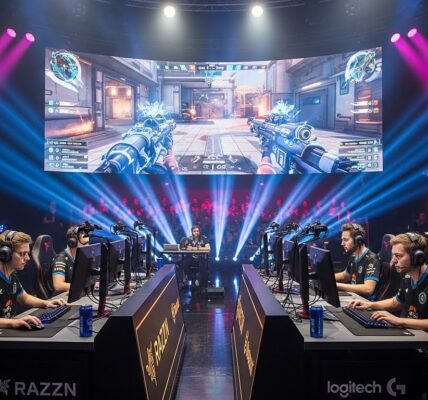
Esports, short for electronic sports, refers to organized competitive video gaming. Players or teams compete against one another in structured tournaments, often in front of live audiences and millions of online viewers. While esports may feel like a modern invention, its origins go back several decades.
Early gaming competitions began in arcades and university campuses where players challenged one another for high scores and recognition. As technology improved, competitive gaming became more organized. The rise of personal computers, gaming consoles, and internet connectivity allowed players from different regions to compete in real time. These developments laid the foundation for esports as a structured and competitive discipline.
The Growth of Esports as a Global Phenomenon
The global expansion of esports has been nothing short of remarkable. Today, esports tournaments attract players and audiences from every continent. Certain countries have embraced esports as part of their national culture, while others are rapidly developing competitive gaming infrastructures.
The accessibility of esports plays a major role in its popularity. Unlike traditional sports that may require physical facilities or expensive equipment, esports can be played almost anywhere with the right technology. This has allowed people from diverse backgrounds to participate and compete on equal footing. As a result, esports has become a truly global community united by shared passion and skill.
Professional Players and the Reality of Esports Careers
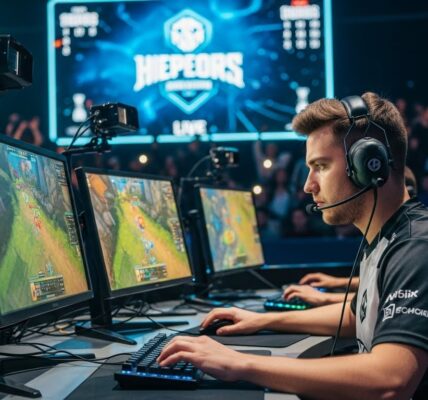
One of the most significant changes in esports is the emergence of professional players. These individuals dedicate countless hours to training, strategy development, and teamwork. Their routines often resemble those of traditional athletes, including scheduled practice sessions, performance analysis, and mental preparation.
Professional esports players earn income through tournament winnings, team contracts, sponsorships, and content creation. However, success in esports requires discipline, consistency, and resilience. Only a small percentage reach the top, but for those who do, esports offers recognition, financial stability, and global influence.
Beyond players, the esports industry supports many other career paths. Coaches, analysts, broadcasters, event organizers, designers, and marketing professionals all contribute to the ecosystem. This diversity of roles demonstrates that esports is not just about playing games but about building a sustainable industry.
Technology as the Backbone of Esports
Technology is the driving force behind esports. High-performance hardware, fast internet connections, and advanced software make competitive gaming possible. Every improvement in graphics, processing speed, and network stability enhances both gameplay and spectator experience.
Streaming technology has also revolutionized esports. Fans can watch live competitions, follow their favorite players, and engage in real-time discussions. Data analytics tools help teams evaluate performance, refine strategies, and gain competitive advantages. As technology continues to evolve, esports will grow even more immersive and sophisticated.
Mental Skills and Strategic Thinking in Esports
Esports demands a high level of mental discipline. Competitive gaming requires quick reflexes, sharp decision-making, and the ability to adapt to constantly changing situations. Players must process information rapidly while maintaining focus under intense pressure.
Many esports titles emphasize strategy, teamwork, and planning. Players analyze opponents, predict outcomes, and coordinate actions with teammates. These skills strengthen problem-solving abilities and cognitive flexibility. Over time, esports participants often develop improved concentration, memory, and emotional control.
Physical Health and Wellness in Competitive Gaming
While esports is primarily mental, physical health is becoming an increasingly important focus. Long hours of sitting and screen exposure can lead to fatigue, posture problems, and reduced physical fitness. Professional organizations now recognize that physical well-being directly impacts performance.
Many esports teams include fitness training, stretching routines, and nutrition plans in their programs. Maintaining physical health improves reaction time, endurance, and mental clarity. This shift highlights the growing professionalism of esports and its alignment with broader athletic principles.
Community and Social Connections in Esports
Esports has created vibrant communities that extend beyond the games themselves. Players and fans connect through shared interests, forming friendships and support networks across the world. These communities often provide a sense of belonging, particularly for individuals who may feel isolated in traditional social environments.
Live events amplify this sense of connection. Spectators gather to cheer for teams, celebrate victories, and experience the excitement of competition together. Whether online or in person, esports fosters meaningful social interaction and collective identity.
Esports and Education
Educational institutions are increasingly recognizing the value of esports. Schools and universities have introduced competitive gaming programs, scholarships, and training facilities. These initiatives combine gaming with academic development, encouraging students to balance competition with responsibility.
Esports programs teach valuable skills such as teamwork, leadership, time management, and communication. They also expose students to career opportunities in technology, media, and business. As education evolves, esports is becoming a legitimate tool for engagement and learning.
Diversity and Inclusion in Esports
The esports landscape is becoming more inclusive as awareness grows around diversity and representation. Players of different genders, cultures, and identities are gaining recognition and opportunities. Efforts to promote inclusivity are helping to challenge stereotypes associated with gaming.
An inclusive esports environment benefits everyone. Diverse perspectives enhance creativity, strengthen teamwork, and broaden the appeal of competitive gaming. As barriers continue to break down, esports moves closer to reflecting the diversity of its global audience.
Entertainment Value and Spectator Experience
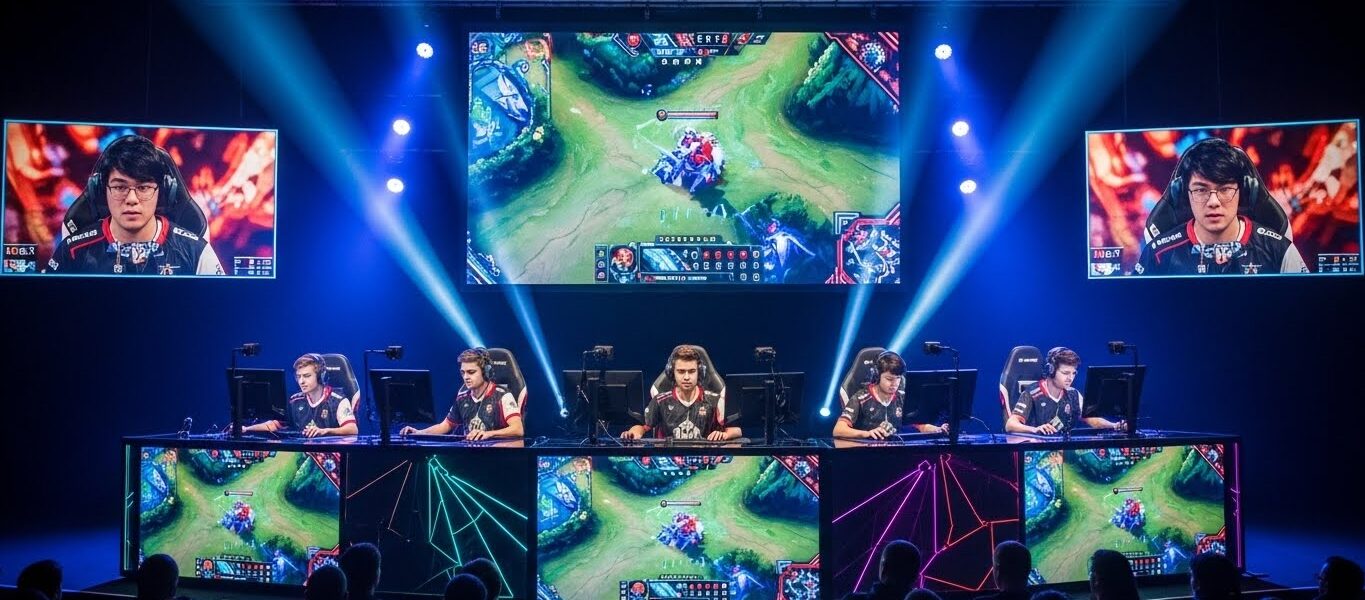
Esports is not only about competition but also about entertainment. Tournaments are designed to engage audiences with dynamic commentary, compelling storylines, and dramatic moments. Fans follow rivalries, celebrate underdog victories, and connect emotionally with players.
The interactive nature of esports sets it apart from traditional entertainment. Viewers can engage in live discussions, react in real time, and feel directly involved in the experience. This participatory aspect has helped esports build loyal and passionate fanbases.
Economic Influence of the Esports Industry
Esports has become a major economic force. Revenue comes from sponsorships, merchandise, media rights, ticket sales, and advertising. Companies invest heavily in esports to reach digitally engaged audiences.
The industry also creates jobs and stimulates related sectors such as software development, hardware manufacturing, and event production. Cities that host major tournaments benefit from tourism and increased visibility. These economic contributions highlight the growing importance of esports on a global scale.
The Future of Esports
The future of esports is filled with potential. Advances in virtual reality, augmented reality, and artificial intelligence are expected to transform how games are played and experienced. As technology becomes more accessible, participation in esports will continue to expand.
Esports is also gaining recognition alongside traditional sports. As acceptance grows, competitive gaming will become an even more integrated part of mainstream culture. The boundaries between physical and digital competition are gradually dissolving, creating new possibilities for the future.
Conclusion: A New Era of Competition
Esports represents a shift in how society defines competition, entertainment, and achievement. It blends technology, strategy, and human skill into a powerful cultural movement. Beyond the screens and controllers, esports teaches discipline, teamwork, and resilience.
As esports continues to evolve, its influence will extend further into education, careers, and global culture. What began as simple digital competition has become a defining feature of the modern age. Esports is not just a trend; it is a reflection of how innovation and passion can reshape the world of sports and beyond.