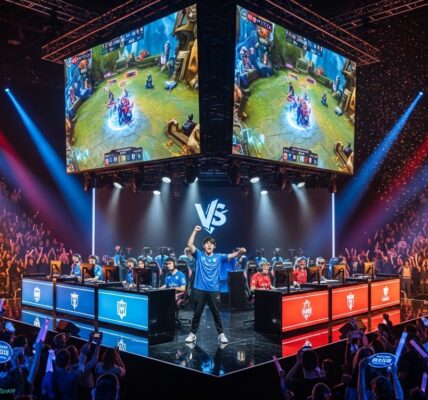
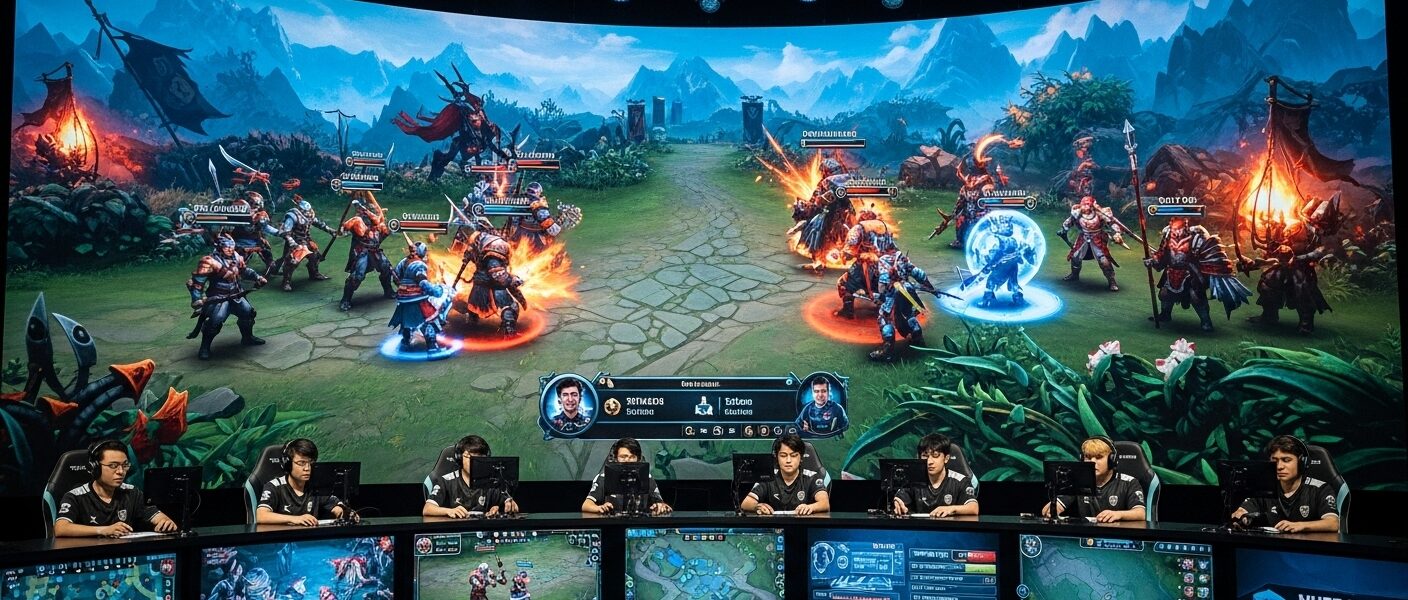

Esports is no longer just a buzzword or a niche interest within the gaming community. It has evolved into a global cultural and economic powerhouse, captivating millions of players and fans across the world. What once began as a hobby for a few enthusiasts has transformed into a multi-billion-dollar industry, with competitive gaming being recognized as a legitimate form of entertainment, akin to traditional sports. From its humble beginnings to its current status as a global phenomenon, esports has reshaped the entertainment landscape in ways few could have imagined.
The Birth of Esports: From Arcades to Global Arenas
The history of esports can be traced back to the early days of video gaming, when competitive play was mainly a local affair. In the 1970s and 1980s, arcades became the first venues for competitive gaming. Players would face off in games like Pong and Space Invaders, competing for high scores and bragging rights. These early competitions were informal, but they laid the foundation for what would eventually become the modern esports scene.
The first true esports event took place in 1980 when Space Invaders became the focus of a nationwide competition in the United States. The event, which attracted thousands of players, marked the beginning of the competitive gaming movement. However, it wasn’t until the 1990s, with the rise of PC gaming, that esports began to take shape as we know it today.
Games like StarCraft and Quake laid the groundwork for modern competitive gaming. StarCraft, in particular, became a massive hit in South Korea, where professional gaming leagues and tournaments started to form. South Korea became the epicenter of esports, and professional players began to emerge as celebrities in their own right. By the early 2000s, esports was no longer a small niche; it had become a growing industry with dedicated fans, professional players, and live-streamed tournaments.
The Growth of Esports: A Global Movement
Over the last two decades, esports has exploded in popularity, transitioning from a niche activity to a global phenomenon. The rise of streaming platforms like Twitch, YouTube Gaming, and Facebook Gaming played a crucial role in this transformation. These platforms allowed gamers to broadcast their gameplay live to an audience, creating a sense of community and connection that helped fuel the growth of esports.
One of the most significant factors contributing to esports’ growth is the increasing accessibility of gaming technology. High-speed internet, powerful gaming PCs, and affordable consoles have made it easier for players to get involved in competitive gaming. As a result, more people than ever are able to participate in tournaments, watch competitions, and engage with the esports community.
Games like League of Legends, Dota 2, Overwatch, and Fortnite have become household names, each with their own dedicated fanbases and competitive ecosystems. These games, with their deep strategic elements and fast-paced action, have captivated millions of players and spectators around the world. As the player base has expanded, so too has the scale of esports tournaments.
Today, esports tournaments attract millions of viewers, both online and in person. The League of Legends World Championship, for example, draws a viewership that rivals major traditional sports events, such as the Super Bowl. Esports has evolved into a form of entertainment that appeals to a wide demographic, transcending age, gender, and geographical boundaries.
The Economics of Esports: A Billion-Dollar Industry
Esports has grown into a multi-billion-dollar industry, driven by a combination of sponsorships, advertising, media rights, ticket sales, and merchandise. The total value of the global esports market is expected to exceed $1.5 billion by 2025, and this rapid growth shows no signs of slowing down.
Sponsorships and partnerships with major brands have been a major source of revenue for esports organizations. Companies like Coca-Cola, Intel, and Mercedes-Benz have invested heavily in the esports space, recognizing its immense potential. These brands sponsor teams, tournaments, and events, helping to fund the esports ecosystem and increase its visibility.
In addition to sponsorships, streaming platforms like Twitch and YouTube Gaming generate significant revenue through advertising and subscriptions. Professional gamers, known as streamers, have also become influential figures, with many amassing large followings and earning substantial income from their streams, sponsorships, and merchandise sales. Top esports athletes can make millions of dollars each year, competing in high-stakes tournaments and growing their personal brands.
Esports organizations, much like traditional sports teams, have also found lucrative opportunities through media rights and broadcasting deals. Major tournaments like The International for Dota 2 and the League of Legends World Championship are broadcast live to millions of viewers around the world, generating revenue through ticket sales, online streaming, and media partnerships.
The Rise of Professional Esports: Teams, Players, and Careers
Esports has become a legitimate career option for many players, with professional teams and organizations offering contracts, salaries, and benefits. The rise of esports organizations has been instrumental in the growth of the industry, as these entities manage teams, players, coaches, and support staff.
Professional esports players, much like athletes in traditional sports, dedicate their lives to training, strategy, and competition. The pressure to perform is immense, and the commitment required to be successful in esports is unparalleled. Players spend hours every day practicing, analyzing gameplay, and honing their skills. They are often required to travel the world to compete in major tournaments, all while maintaining their streaming and social media presence.
Top esports players can earn significant sums of money through tournament winnings, sponsorships, and endorsements. Some of the highest-earning esports athletes have accumulated millions of dollars in prize money alone. However, the life of a professional esports player is not without its challenges. The intense competition and mental strain can take a toll on players, leading to burnout and a relatively short career span for many.
Despite these challenges, esports offers opportunities for young gamers to turn their passion into a full-time career. The success of players like Faker (Lee Sang-hyeok) in League of Legends or Dendi (Danil Ishutin) in Dota 2 has inspired a new generation of players to pursue esports professionally. These players are not only role models for aspiring gamers but also entrepreneurs, building personal brands and diversifying their careers through streaming, content creation, and sponsorships.
The Cultural Impact of Esports
Esports has had a profound cultural impact, influencing everything from youth culture to the way people consume entertainment. It has helped reshape the way younger generations view gaming, turning it from a solitary activity into a social, competitive experience. The rise of esports has fostered a global community of fans and players who share a common passion for gaming.
Esports has also had an impact on traditional sports. Many professional sports teams have recognized the potential of esports and have invested in esports organizations or created their own teams. For example, football clubs like Paris Saint-Germain and Manchester City have their own esports teams, competing in games like FIFA and League of Legends. This blending of traditional sports and esports has helped elevate the legitimacy of competitive gaming and opened the door for new forms of fan engagement.
Additionally, esports has influenced mainstream entertainment. Major entertainment platforms like ESPN have begun broadcasting esports events, while celebrities and influencers from various industries have invested in esports organizations. This mainstream acceptance has helped propel esports to the forefront of global entertainment, making it a staple in both digital and physical arenas.
The Future of Esports: New Frontiers and Opportunities
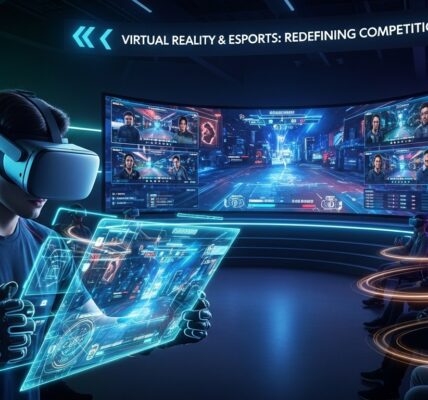
The future of esports is incredibly promising, with new technologies and innovations on the horizon. Virtual reality (VR) and augmented reality (AR) are expected to play a significant role in the next evolution of esports. These technologies have the potential to change the way competitive gaming is played and experienced, allowing for more immersive and interactive gameplay.
As esports continues to grow, it is likely to become an even more integral part of global culture. The boundaries between esports and traditional sports will continue to blur, with esports becoming a recognized and celebrated form of competition. The rise of esports-specific arenas, such as the Esports Arena in Las Vegas, demonstrates the increasing importance of esports in the entertainment industry.
Esports will also continue to expand into new markets. Countries in Asia, Europe, and North America have been at the forefront of the esports boom, but regions like the Middle East, Latin America, and Africa are showing increasing interest in esports. As these markets grow, so too will the global esports community.
Conclusion
Esports has come a long way since its early days in arcades and online communities. It has evolved into a multi-billion-dollar industry, captivating millions of fans and players around the world. With its combination of entertainment, competition, and cultural influence, esports is poised to continue growing and evolving for years to come. As technology advances and the esports ecosystem expands, the future of competitive gaming looks brighter than ever. What was once a niche hobby has become a global powerhouse, and its influence will continue to shape the future of entertainment for generations to come.