
Introduction to Virtual Collectibles in Gaming
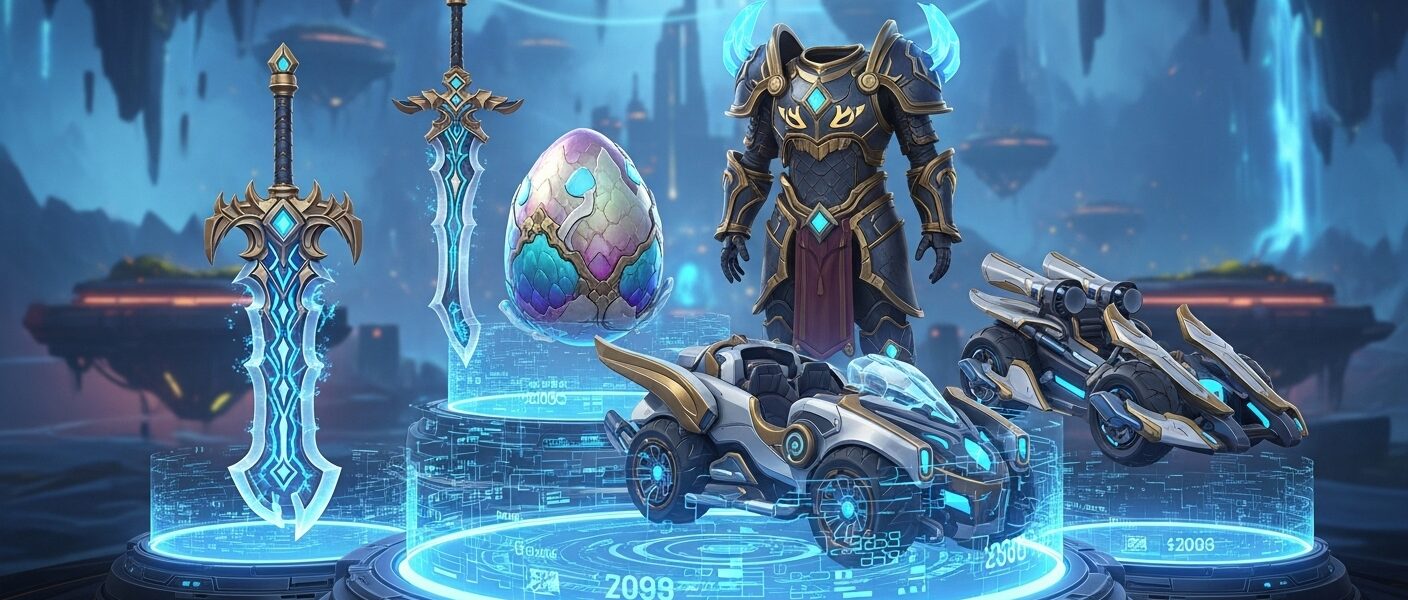
The gaming industry has evolved beyond simple entertainment into a global ecosystem of culture, competition, and commerce. One of the most fascinating developments in recent years is the rise of virtual collectibles. Unlike traditional in-game items such as weapons, skins, or character upgrades, virtual collectibles are designed with rarity, ownership, and long-term value in mind. They are not just tools for gameplay but tokens of identity, social status, and sometimes even financial investment. The appeal of collecting is deeply human, and when merged with digital worlds, it creates a phenomenon that is transforming how people play, trade, and engage with video games.
The Origins of Digital Collectibles
To understand the modern surge of virtual collectibles, it is important to look back at their origins. Early video games often included items that players could earn as achievements or rewards. These items had little to no value outside the game itself, but they still held immense personal meaning. For example, completing a game on its hardest difficulty might unlock a hidden skin or weapon. These items were often symbols of accomplishment rather than commodities for trade.
As gaming moved online, developers began creating persistent virtual worlds. Massively multiplayer online role-playing games, such as those that emerged in the late 1990s and early 2000s, introduced rare mounts, armor sets, and cosmetic rewards that quickly became desirable status symbols within their communities. Players flaunted these items not because they improved gameplay significantly but because they represented time, skill, or dedication. This early sense of prestige laid the foundation for the collectible culture we see today.
From In-Game Achievements to Marketable Assets
The shift from symbolic achievement to marketable asset began with the introduction of secondary markets. Players discovered they could buy, sell, or trade items outside official game systems, often using third-party platforms. Rare items became commodities, and suddenly, digital objects carried real-world value. Developers eventually responded by creating official marketplaces that allowed safe and legitimate trading.
This transition turned virtual items into a form of digital property. Players were no longer just earning a reward for themselves but acquiring something that others might pay to obtain. Skins, weapons, and other digital goods became forms of collectibles that could hold financial value. This evolution set the stage for the explosion of virtual collectibles we see today.
The Role of Blockchain and Digital Ownership
One of the most groundbreaking technological advancements fueling the rise of virtual collectibles has been blockchain technology. Blockchain allows players to have verifiable ownership of digital items, meaning that a rare collectible can be bought, sold, or transferred securely, independent of the game publisher. This differs greatly from traditional in-game assets, which are usually controlled entirely by the developer and cannot be freely traded outside the ecosystem.
The concept of non-fungible tokens, or NFTs, gave virtual collectibles new meaning. Each NFT represents a unique digital asset with ownership tracked on a blockchain. While some games rely solely on traditional in-game systems for collectibles, blockchain-based assets provide true ownership, enabling players to potentially profit from their collections. Whether one sees NFTs as a financial innovation or a controversial trend, they have undeniably shaped how people think about virtual collectibles and their long-term value.
The Emotional Connection to Collecting
While technology has fueled the growth of virtual collectibles, the emotional drive behind collecting remains just as important. Humans have always loved to collect things, from stamps and coins to baseball cards and action figures. Collecting is not just about owning objects; it is about the thrill of the hunt, the satisfaction of completing a set, and the pride of showing off rare finds.
In gaming, this emotional connection is amplified because collectibles exist in interactive worlds. Players do not just own these items passively; they use them, display them, and incorporate them into their identities. A rare outfit in a battle royale game is not simply an accessory—it is a declaration of uniqueness. A limited-edition character skin may signify that a player was part of a special event, making it a badge of honor within the community. This emotional layer makes virtual collectibles more compelling than many physical ones.
Virtual Collectibles as a Social Status Symbol
In modern gaming, virtual collectibles often function as symbols of status. Much like luxury fashion in the physical world, digital cosmetics can set players apart. Owning rare items can command respect or admiration from peers, especially in online multiplayer communities. Developers recognize this social power and design collectibles with scarcity in mind, creating limited-time events or exclusive rewards that can only be earned under specific conditions.
As a result, virtual collectibles have become part of social hierarchies in gaming. Just as in real life, some players enjoy being trendsetters or elite collectors, while others participate more casually. This blending of social status with digital worlds highlights the growing cultural weight of collectibles.
The Economics of Virtual Collectibles
The rise of virtual collectibles has also sparked significant changes in the economics of gaming. In earlier eras, most video games relied on a one-time purchase model. Today, many games are free-to-play but generate revenue through microtransactions, where players buy cosmetics, skins, or other digital goods. Virtual collectibles are at the heart of this model.
Developers design items to be visually appealing, scarce, or tied to cultural moments, encouraging players to spend money. For example, collaborations between games and popular franchises often lead to limited-edition collectibles that sell rapidly. These items create not only revenue for developers but also excitement within the player base. Some collectibles even appreciate in value over time, especially when supply is restricted, making them resemble investments rather than simple purchases.
Controversies and Criticism
Despite their popularity, virtual collectibles are not without controversy. Some critics argue that the emphasis on collectibles and microtransactions exploits players, particularly younger audiences, by encouraging overspending. Loot boxes, which give players randomized rewards, have been compared to gambling, leading to legal scrutiny in several countries.
Additionally, blockchain-based collectibles and NFTs have faced criticism for their environmental impact due to the energy consumption of some blockchain networks. Others question whether virtual ownership truly provides long-term value, especially since the gaming industry evolves rapidly and games can lose popularity.
Despite these criticisms, the demand for virtual collectibles continues to grow. While there are ethical questions to address, it is clear that collectibles have become deeply integrated into the gaming experience and are unlikely to disappear.
The Cultural Impact of Virtual Collectibles
Virtual collectibles are not just changing gaming—they are influencing culture as a whole. Fashion brands, musicians, and even sports leagues have begun collaborating with game developers to create exclusive digital items. A famous artist may design a skin for a popular game, or a sports team may release digital jerseys for fans to wear in virtual worlds. These collaborations blur the line between gaming and broader culture, making virtual collectibles part of mainstream entertainment.
Moreover, the rise of streaming platforms has amplified the cultural visibility of virtual items. When top streamers use rare skins or showcase new collectibles, millions of viewers are exposed to them, fueling demand and reinforcing the cultural value of these items. Virtual collectibles are no longer niche—they are now part of the global cultural conversation.
The Future of Virtual Collectibles
Looking ahead, virtual collectibles are poised to become even more significant. As gaming worlds grow larger and more immersive, collectibles will likely evolve in complexity and function. In virtual reality environments, for example, collectibles could serve not just as cosmetic items but as tools for personalization and interaction. Players might decorate virtual homes with rare objects or carry items across multiple games and platforms, creating a new level of digital identity.
The concept of interoperability—allowing collectibles to move between different games or platforms—could revolutionize how players think about ownership. Instead of being tied to one ecosystem, collectibles could become part of a broader digital life. While there are technical and business challenges to achieving this vision, the possibility excites many within the industry.
At the same time, developers and regulators will need to balance innovation with responsibility. Ensuring that collectibles remain fun and engaging without exploiting players will be key to maintaining trust. The industry will also need to address concerns about accessibility, making sure that the pursuit of rare items does not alienate casual players.
Conclusion
The rise of virtual collectibles in gaming reflects a convergence of technology, culture, and human psychology. From their early origins as symbols of achievement to their current status as marketable assets and cultural icons, collectibles have transformed how players experience games. They represent more than just digital goods—they are symbols of identity, social status, and belonging in virtual worlds.
While controversies and challenges remain, the momentum behind virtual collectibles is undeniable. As technology advances and gaming continues to expand its cultural reach, collectibles will play an even greater role in shaping the future of interactive entertainment. Whether seen as art, status symbols, or investments, virtual collectibles have firmly established themselves as one of the defining trends of modern gaming.
