
Introduction: The Evolution of Competitive Gaming
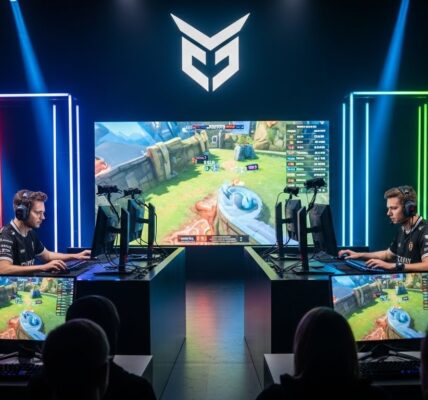
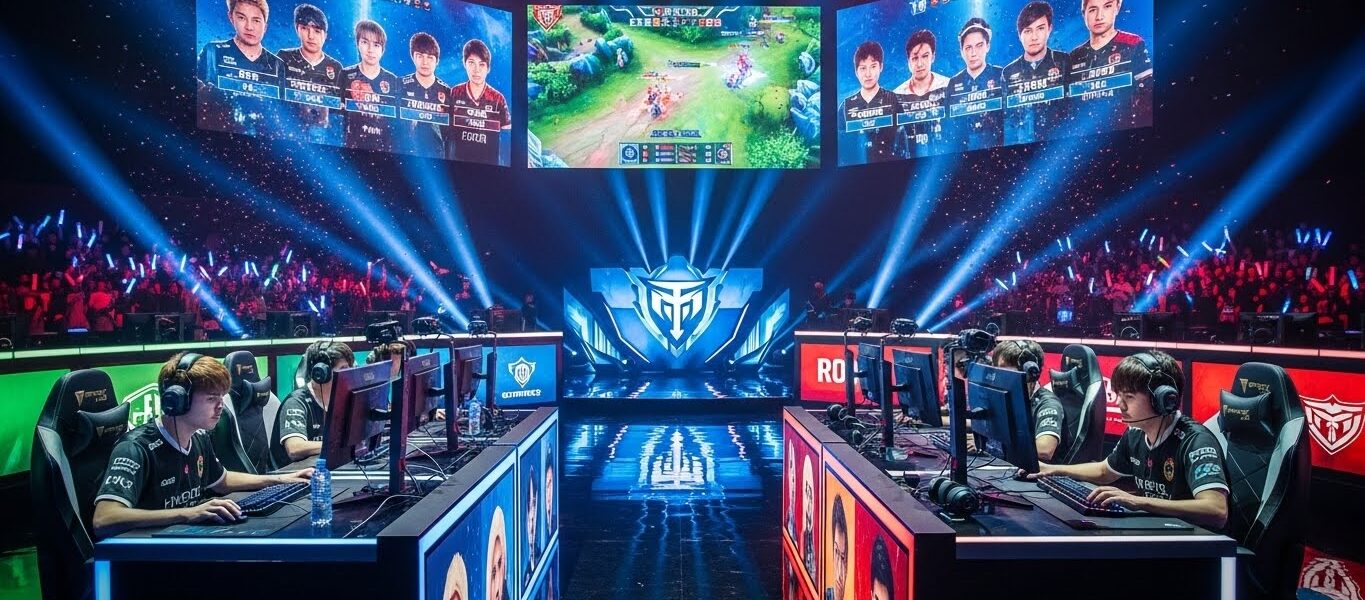
Esports, short for electronic sports, has transformed from a niche hobby into a global phenomenon. Once considered mere entertainment for teenagers in basements, esports has now evolved into a professional arena attracting millions of viewers, players, and investors. The rise of competitive gaming is not just a reflection of technological advancement but also a shift in how society perceives skill, strategy, and competition.
The concept of playing video games competitively is not new, but the infrastructure supporting it has grown exponentially over the last decade. With high-speed internet, live streaming platforms, and professional teams, esports is now on par with traditional sports in terms of organization, fan engagement, and revenue generation.
The Birth and Growth of Esports
The roots of esports trace back to the late 1970s and 1980s, when arcade games like Space Invaders and Pac-Man gained popularity. Early competitions were small, local events, often hosted in arcades or college campuses. The real turning point came with the rise of multiplayer games and online connectivity. Titles such as StarCraft in South Korea during the late 1990s laid the foundation for competitive gaming as a serious pursuit.
South Korea played a pivotal role in shaping modern esports. The government supported gaming cafes and professional leagues, which helped cultivate a culture where competitive gaming was respected and even celebrated. StarCraft tournaments became national events, and top players achieved celebrity status. This model demonstrated that esports could be both a career and a form of entertainment.
Major Esports Titles and Their Impact
Over the years, numerous games have contributed to esports’ explosive growth. Multiplayer online battle arena games, or MOBAs, such as League of Legends and Dota 2, have dominated the scene due to their strategic depth and spectator-friendly format. First-person shooters like Counter-Strike and Call of Duty attract competitive players who excel in reflexes, precision, and tactical thinking. Fighting games like Street Fighter and Super Smash Bros. offer intense one-on-one matchups that emphasize individual skill.
Each game appeals to different audiences and requires unique skill sets, creating a diverse esports ecosystem. The success of these titles has led to professional leagues, sponsorships, and prize pools rivaling those of traditional sports championships. Dota 2’s The International, for instance, offers multi-million-dollar prize pools, highlighting the lucrative opportunities within competitive gaming.
The Business of Esports
Esports has rapidly evolved into a multi-billion-dollar industry. Revenue streams come from multiple sources including sponsorships, media rights, merchandise sales, ticketed events, and streaming platforms. Brands outside the gaming sector have recognized the value of esports, partnering with leagues and teams to reach younger, tech-savvy audiences.
Streaming platforms like Twitch and YouTube Gaming have revolutionized how fans consume esports content. Live broadcasts of tournaments attract millions of viewers worldwide, often rivaling traditional sports in viewership numbers. This level of exposure not only benefits game developers and players but also advertisers, creating a symbiotic relationship between all stakeholders.
Professional esports teams have emerged as key players in the industry. Teams such as T1, Fnatic, and Cloud9 operate similarly to traditional sports franchises, offering salaries, training facilities, coaching staff, and marketing support. The professionalism within esports ensures players can focus solely on honing their skills while building a personal brand.
The Global Appeal of Esports
One of the most fascinating aspects of esports is its global reach. Unlike traditional sports that may require physical infrastructure, esports is inherently digital, allowing participation and viewership from virtually anywhere. This has led to a diverse international community, with tournaments regularly featuring competitors from multiple continents.
Asia, particularly South Korea and China, continues to dominate the esports scene, thanks to strong governmental and corporate support. North America and Europe have also established competitive leagues and infrastructure, creating a competitive global landscape. International tournaments like the League of Legends World Championship or the Fortnite World Cup showcase the truly global nature of esports, bringing together fans and players from every corner of the world.
Esports as a Career Path
Professional gaming is no longer a distant dream for enthusiasts. Esports offers multiple career opportunities, ranging from players and coaches to analysts, content creators, and event organizers. Top players can earn substantial salaries, prize money, and sponsorship deals. Even beyond direct competition, careers in game design, marketing, and broadcasting provide viable paths within the esports ecosystem.
However, pursuing esports as a career comes with challenges. The competitive environment is intense, and the window for peak performance can be relatively short. Players must maintain rigorous practice schedules, manage stress, and adapt to rapidly changing game meta. Despite these challenges, many consider esports a legitimate career path, supported by the growing infrastructure and opportunities in the industry.
Technology Driving Esports Growth
The rapid growth of esports is closely tied to technological advancements. High-speed internet, low-latency servers, and streaming technology have made it possible for players and fans to connect globally in real time. Virtual reality and augmented reality are poised to add new dimensions to competitive gaming, potentially creating immersive spectator experiences in the near future.
Artificial intelligence also plays a role in esports, both as a tool for training players and as a means of enhancing game design. AI-driven analytics can assess player performance, providing insights that help teams refine strategies and improve outcomes. These technological innovations ensure esports continues to evolve, offering fresh experiences for both players and fans.
The Role of Community and Culture
Community is the lifeblood of esports. Fans actively engage with their favorite teams, players, and games through social media, forums, and live streams. This engagement fosters a sense of belonging and shared identity, transforming esports into more than just a competition—it becomes a culture.
Cosplay, fan art, and online communities contribute to the vibrant ecosystem surrounding esports. Major tournaments are social events as much as competitive spectacles, with fans celebrating shared passions and milestones. The culture of esports emphasizes creativity, strategy, and teamwork, reflecting values that resonate with a modern, digitally connected audience.
Challenges Facing Esports
Despite its meteoric rise, esports faces several challenges. Player burnout, mental health issues, and the pressure of constant competition are significant concerns. The lack of standardized regulations and governing bodies also creates inconsistencies in contracts, player rights, and tournament rules.
Furthermore, the industry must address inclusivity and diversity. While esports is global, representation of women and underrepresented groups in professional gaming remains limited. Promoting diversity and creating supportive environments are essential for the long-term sustainability and growth of esports.
The Future of Esports
The future of esports looks promising. As technology continues to advance, the spectator experience will become increasingly immersive, blurring the lines between gaming and reality. Educational institutions are beginning to recognize esports, offering scholarships and programs that combine academics with competitive gaming.
Esports may also influence mainstream culture even further, inspiring innovations in entertainment, media, and technology. With growing acceptance as a legitimate sport, esports has the potential to redefine the global entertainment landscape for decades to come.
Conclusion: Esports as a Cultural Phenomenon
Esports is more than just playing video games; it is a cultural and economic force reshaping the way people compete, connect, and consume entertainment. From humble beginnings in arcades to multi-million-dollar international tournaments, esports reflects the possibilities of the digital age.
As it continues to grow, esports offers opportunities for players, entrepreneurs, and fans alike, demonstrating that competitive gaming can be both a serious profession and a source of community and excitement. The journey of esports is far from over, and its impact on culture, technology, and entertainment will only expand in the years ahead.