
Introduction: What Is Esports?
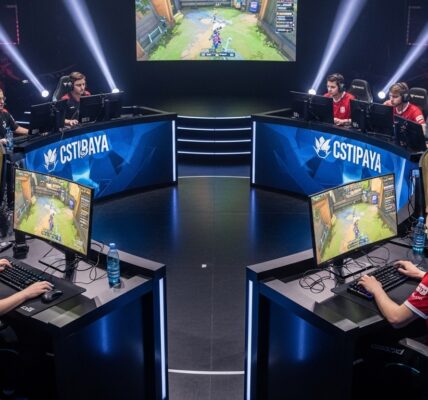
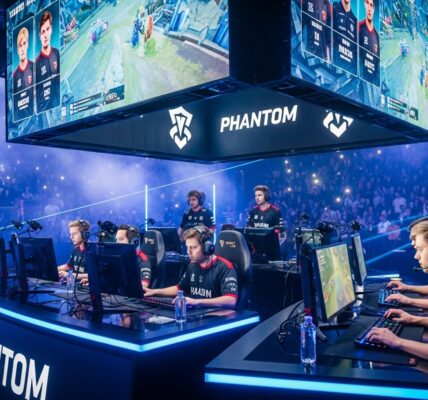
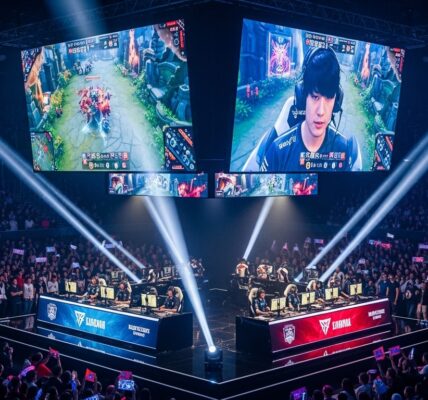
Esports, short for electronic sports, refers to competitive video gaming where individuals or teams face off in organized tournaments. Unlike casual gaming, esports involves structured competition, professional players, coaches, analysts, and massive audiences. In just a few decades, esports has transformed from a niche hobby into a billion-dollar global industry that fills stadiums and commands millions of online viewers.
While the idea of competitive gaming may seem like a product of the digital era, the foundations of esports go back much further than most people realize. The story of esports is as much about technology and innovation as it is about community, passion, and a shared love for games.
The Early Days: Where It All Began
The origins of esports can be traced back to the 1970s, long before online play was even possible. The first known video game competition took place in 1972 at Stanford University, where students battled each other in a game called Spacewar!. The grand prize? A year’s subscription to Rolling Stone magazine. It might sound modest now, but that event marked the birth of organized video game competition.
The 1980s brought arcade gaming into the mainstream. Titles like Pac-Man, Donkey Kong, and Space Invaders defined a generation of gamers who spent hours chasing high scores. In 1980, Atari hosted the Space Invaders Championship, attracting over 10,000 participants across the United States — an early sign of gaming’s massive appeal.
The Internet Era and the Birth of Online Competition
The 1990s revolutionized esports with the rise of personal computers and the internet. Local multiplayer games evolved into online battles, connecting players from different cities, countries, and eventually continents. Titles such as Doom, Quake, and StarCraft introduced competitive features that encouraged tournaments.
LAN parties — local area network gatherings — became the birthplace of many gaming legends. Friends lugged heavy PCs to basements or community centers, linking their computers to play together. These events weren’t just about gaming; they were social experiences that built the foundation of the modern esports community.
By the late 1990s, professional gaming organizations began to form. Cyberathlete Professional League (CPL) and Major League Gaming (MLG) emerged, providing platforms for gamers to compete for real money. South Korea, in particular, took esports to another level, thanks to its fast internet infrastructure and a deep cultural embrace of gaming. Games like StarCraft became national obsessions, and players such as Lim “BoxeR” Yo-hwan became household names.
The 2000s: The Rise of Global Tournaments
The 2000s were the decade when esports started gaining legitimacy as a profession. Internet cafes, known as PC bangs in South Korea, became hotspots for competitive gaming. Esports broadcasts aired on national television in Korea, and the rest of the world soon followed.
Games like Counter-Strike, Warcraft III, and Dota attracted global player bases. World Cyber Games and Electronic Sports World Cup hosted international tournaments with players traveling across continents to compete. Sponsorships from tech companies and hardware brands began to pour in, transforming what was once a pastime into a career path for talented gamers.
At the same time, streaming platforms like Twitch (launched in 2011) and YouTube Gaming reshaped how audiences consumed content. Players no longer needed television deals — they could directly broadcast to millions. This accessibility created a stronger bond between gamers and fans, making esports both participatory and community-driven.
The Golden Era: Esports in the 2010s
If the 2000s built the foundation, the 2010s became esports’ golden age. Games like League of Legends, Dota 2, Counter-Strike: Global Offensive, and Overwatch became global phenomena. These titles not only offered balanced competitive systems but also invested in infrastructure — leagues, franchising, and standardized tournaments.
League of Legends set a new standard with its annual World Championship, drawing tens of millions of viewers. Dota 2’s The International shattered records with prize pools exceeding $30 million, crowdfunded by its player base. Suddenly, esports athletes were earning more than traditional sports stars in some cases.
Major companies and investors noticed. Traditional sports franchises like the Philadelphia 76ers and FC Barcelona entered the scene, buying or sponsoring esports teams. The line between sports and esports began to blur. Universities introduced esports scholarships, and even governments started recognizing esports players as legitimate athletes.
The Players: Modern-Day Digital Athletes
Professional esports players train as hard as any athlete. Their days are filled with practice sessions, strategy reviews, fitness training, and mental coaching. Reaction speed, teamwork, and decision-making under pressure are as critical as physical skill.
A professional esports career often starts young. Many players reach their peak performance in their late teens or early twenties. The pressure is immense — not only from competition but also from the demanding schedules and public exposure. Yet the rewards are equally significant: fame, sponsorships, and the chance to represent one’s country on a global stage.
Behind every great player is a team of support staff — coaches, analysts, nutritionists, and psychologists. Modern esports organizations function much like professional sports teams, focusing on every aspect of player development.
The Business of Esports
Esports has evolved into a complex and profitable industry. Revenues come from sponsorships, media rights, advertising, merchandise, and ticket sales. According to industry reports, esports surpassed the billion-dollar revenue mark in the late 2010s and continues to grow rapidly.
Sponsors range from gaming hardware companies to global brands like Coca-Cola, Intel, and Red Bull. These partnerships bring legitimacy and mainstream visibility to esports. Tournament organizers such as ESL and DreamHack manage large-scale events across continents, often filling stadiums that rival those of traditional sports.
Media coverage has expanded as well. Esports broadcasts now feature professional commentary, instant replays, and production values similar to sports television. With millions tuning in live and billions of hours watched annually, esports has proven to be more than just entertainment — it’s a cultural force.
The Role of Streaming and Content Creation
Streaming changed everything. Platforms like Twitch, YouTube, and Facebook Gaming gave players and fans a direct connection. Professional players could earn money not only through competitions but also through streaming, sponsorships, and fan subscriptions.
This democratized access also helped unknown players rise to fame purely through talent. Many of today’s biggest names in gaming started as streamers or amateur players who built their audiences one viewer at a time.
Streaming also blurred the line between competition and entertainment. Fans tune in not just to watch matches but to connect with personalities, learn strategies, and share in the excitement. It’s interactive, dynamic, and deeply personal — something traditional sports broadcasting could never fully replicate.
The Globalization of Esports
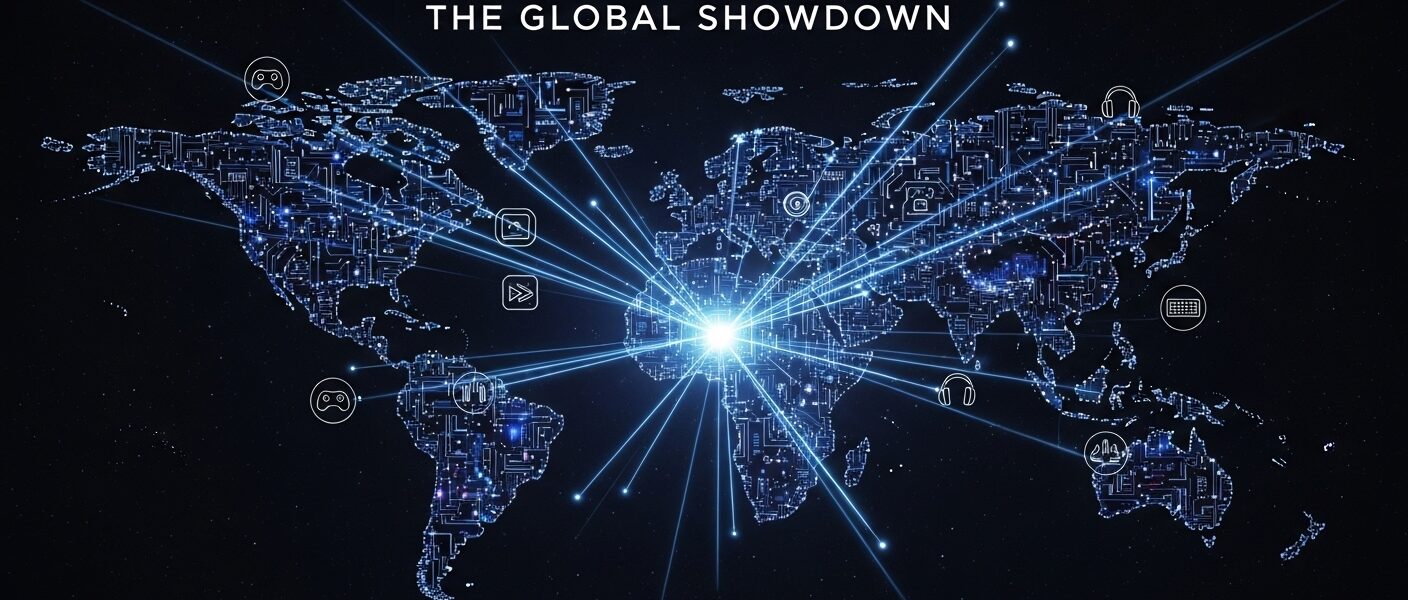
Esports is one of the few industries that transcends language and geography. From Seoul to Stockholm, from Los Angeles to Lagos, competitive gaming has found a home everywhere. Regional tournaments feed into global leagues, creating a truly international ecosystem.
Asia remains the powerhouse of esports, especially South Korea and China. Europe and North America follow closely, with robust infrastructure and corporate support. Emerging regions like South America, the Middle East, and Africa are catching up fast, with new teams, leagues, and fanbases forming every year.
Governments have started to take notice. Some countries now classify esports players as professional athletes, allowing them to travel and compete with official visas. Others are investing in esports arenas and training facilities to support local talent.
The Cultural Impact of Esports
Beyond competition, esports has had a profound cultural influence. It’s redefined what it means to be an athlete, challenged stereotypes about gamers, and brought together communities from every background. Esports events feel more like festivals than tournaments — filled with energy, music, and shared excitement.
Pop culture has also embraced esports. Movies, TV shows, and documentaries explore the lives of players and fans. Esports athletes appear in commercials, fashion collaborations, and mainstream media. The world is beginning to see gaming not as an escape from reality but as a legitimate cultural expression.
Esports has also provided opportunities for inclusion. While the industry still faces challenges with diversity and representation, more women and marginalized groups are finding their place in the scene as players, casters, and creators.
Challenges Facing the Esports Industry
Despite its rapid growth, esports faces several hurdles.
1. Sustainability and Player Burnout
Many players face grueling schedules that can lead to burnout. Balancing practice, competition, and streaming demands is tough, and mental health support is still developing in some organizations.
2. Regulation and Governance
Esports lacks a universal governing body. Rules vary from game to game, and there’s no standardized player union. Issues like contract disputes, cheating, and match-fixing remain challenges.
3. Financial Inequality
While top teams and players earn millions, many smaller organizations struggle financially. Prize pools and sponsorships tend to concentrate at the top, leaving grassroots esports underfunded.
4. Gender and Diversity Gaps
The esports industry has made progress but still struggles with gender representation. Toxic behavior and bias can make it harder for women and non-binary players to thrive. Addressing inclusivity remains an ongoing effort.
Esports and Education
One of the most fascinating developments in esports is its entry into education. High schools and universities around the world are launching esports programs, offering scholarships and academic paths related to gaming. These programs teach not only gameplay but also teamwork, communication, and strategic thinking.
Collegiate esports leagues have emerged, giving students a platform to compete while earning degrees. Beyond playing, many programs focus on esports management, broadcasting, and game design, opening doors to a range of careers in the gaming ecosystem.
The Technology Behind Esports
Esports wouldn’t exist without technology — and it continues to push tech boundaries. High-performance PCs, low-latency networks, and game optimization are just the surface. The rise of 5G, cloud gaming, and AI-driven analytics promises to make esports more accessible and competitive than ever.
Developers also play a crucial role. Balancing games, patching bugs, and supporting competitive modes are essential to maintaining fairness. Games like Valorant and Apex Legends were designed with esports in mind, incorporating spectator tools, anti-cheat systems, and broadcasting features.
Virtual reality (VR) and augmented reality (AR) might also reshape the future of esports. Imagine stepping inside a digital arena where fans and players interact in real time — that’s the next frontier.
The Pandemic and the Digital Advantage
When the world shut down during the COVID-19 pandemic, traditional sports halted — but esports adapted. Online tournaments replaced physical events almost overnight, and viewership soared. Esports became one of the few live competitive entertainments available, gaining millions of new fans.
The pandemic also showed the resilience and flexibility of digital platforms. While physical events returned later, many organizers now embrace hybrid models that combine live and online elements, making esports more inclusive and far-reaching.
The Future of Esports
The future of esports looks bright and boundless. Analysts predict continued growth as technology evolves and younger generations — raised on gaming — take over mainstream culture. Esports could soon rival traditional sports in global recognition, if it hasn’t already.
We can expect more integration with education, health, and entertainment. Governments may regulate esports more formally, and international tournaments could join global sporting events like the Olympics.
At the same time, the future will depend on balance — maintaining fair play, player welfare, and community integrity while embracing innovation. The most successful organizations will be those that treat esports not just as a business but as a culture built on passion, skill, and connection.
Conclusion: More Than Just a Game
Esports is more than people playing video games competitively — it’s a symbol of how digital culture shapes human connection. It’s where teamwork meets technology, and where passion meets opportunity. From its humble beginnings in arcades and college basements to million-dollar arenas and global broadcasts, esports has come a long way.
The industry will continue to evolve, but its core remains unchanged: the love of the game and the thrill of competition. Whether you’re a player, a fan, or just curious, one thing is certain — esports is here to stay, and its story has only just begun.