
Introduction: The Universal Language of Sports
Across every border, language, and culture, sports speak a universal language of passion, teamwork, and resilience. Whether it’s a crowded stadium roaring with anticipation or a quiet park where children kick a ball until sunset, the energy of sport connects people in a way that few other human activities can. Sports are more than just games; they are reflections of discipline, hope, and the pursuit of excellence. They test not only our physical limits but also the boundaries of our character, reminding us that victory is never only about the score but also about the journey.
Sports are woven into the fabric of human life. From ancient Olympic games in Greece to the bustling modern tournaments of today, the evolution of sports mirrors the growth of civilization itself. It’s an arena where competition meets cooperation, and where strength finds its balance in strategy and spirit.
The Foundation of Physical Strength
At the heart of every sport lies movement — the body in motion, pushing beyond fatigue, adapting to challenges, and striving for better performance. Sports have always been a vital force in promoting health and fitness. They improve cardiovascular endurance, strengthen muscles, and enhance coordination. Yet, the physical gains are only part of the story. Behind every athlete, professional or amateur, is a testament to discipline — the quiet persistence of showing up even on days when motivation runs low.
In today’s age of screens and sedentary lifestyles, sports offer a powerful counterbalance. They remind us that the body is designed to move, to sweat, to stretch its limits. Every sprint, swing, or shot is not only a display of skill but also a celebration of life’s vitality. The rhythmic pulse of exercise, the sound of breath meeting determination — these are the sounds of a body alive with purpose.
The Mental Game: Discipline and Determination
While the body performs, it is the mind that commands. Sports are as much psychological as they are physical. Behind every successful athlete is mental endurance — the ability to stay focused, calm, and resilient even under immense pressure. Every missed shot, every defeat, and every setback teaches valuable lessons about perseverance and patience. Sports cultivate the mindset that failure is not the end but a stepping stone to mastery.
Mental toughness doesn’t appear overnight. It grows from repeated practice, self-discipline, and the courage to keep moving forward. Athletes learn to silence self-doubt and push through exhaustion. These traits often transfer to daily life, where the discipline of training turns into the discipline of living — in work, relationships, and personal growth. Sports shape the mind to think strategically, adapt quickly, and remain confident amid uncertainty.
The Spirit of Teamwork and Unity
No matter the sport, teamwork is its heartbeat. Even individual competitions like tennis or boxing rely on a team of coaches, mentors, and supporters who guide the athlete’s journey. Team sports like football, basketball, and hockey go a step further — they turn cooperation into art. Players learn to trust, communicate, and sacrifice personal glory for collective victory.
Team sports mirror society in miniature form. Each player holds a role, just as every individual contributes to a community. When players work in harmony, something magical happens — a flow state where the sum becomes greater than its parts. This sense of unity is why people feel such deep emotional connections to their teams. Sports become a shared identity, uniting cities, nations, and even global audiences in a single heartbeat of anticipation.
The Emotional Rollercoaster of Competition
The thrill of victory and the agony of defeat — both are essential parts of sports. Competition is not merely about winning; it is about testing the boundaries of potential. The emotional highs and lows forge resilience. Every loss becomes a lesson, every triumph a moment of gratitude. Sports teach humility in victory and dignity in defeat.
For many athletes, the greatest battles are fought within. The pressure to perform, the fear of failure, and the constant scrutiny test one’s emotional strength. Yet, through every challenge, athletes learn emotional intelligence — the ability to manage feelings, handle criticism, and channel passion productively. The emotional journey of sports, raw and unpredictable, mirrors the complexity of human life itself.
Sports and Identity: Beyond the Field
Sports often transcend the boundaries of the game. They become expressions of identity, culture, and personal story. For some, they represent heritage — like cricket in India or football in Brazil. For others, sports are a means of empowerment, a voice for the voiceless. Athletes who break records also break barriers, inspiring new generations to dream beyond limitations.
On an individual level, sports shape who we are. They give people confidence, purpose, and belonging. Whether someone is a weekend jogger, a dedicated swimmer, or a casual basketball player, participation in sports often becomes part of their identity. It reminds them of their strengths, their discipline, and their ability to grow.
The Social Power of Sports
Sports have a unique power to bring people together. In moments of great games or global tournaments, entire nations pause to cheer. The World Cup, the Olympics, and other international events turn competition into celebration, where unity outshines rivalry. Sports dissolve political, cultural, and linguistic barriers, allowing humanity to connect in pure emotion.
At a local level, community sports create bonds between neighbors, families, and generations. They offer youth a safe space to channel energy and creativity. They build social values like fairness, respect, and inclusion. Through sports, friendships are forged that often last a lifetime. The sense of belonging found in a team or a club can be a powerful antidote to loneliness and division.
The Role of Sports in Education
Sports are not only extracurricular activities; they are integral to holistic education. Schools that emphasize physical education often see improvements in student focus, discipline, and cooperation. When young people engage in sports, they learn leadership, time management, and teamwork — skills that serve them far beyond the playing field.
Moreover, sports teach ethical lessons. Fair play, respect for rules, and sportsmanship build moral character. In an age where competition often overshadows compassion, sports remind us that integrity is as important as success. Teachers and coaches who nurture this spirit contribute not only to the development of athletes but also to the cultivation of responsible citizens.
Overcoming Adversity: The Hero’s Journey
Every great sports story is a story of resilience. Athletes face injuries, defeats, and doubts that test their limits. Yet the path to greatness often lies through struggle. Overcoming adversity becomes a central theme — from recovering after a devastating injury to returning stronger after public criticism.
This narrative resonates deeply because it reflects the human condition. Life, like sport, is unpredictable. Success often requires persistence through pain. Watching an athlete rise after falling, fight after losing, and smile after hardship inspires millions. It reminds us that courage is not the absence of fear, but the determination to act despite it.
Women in Sports: Breaking Boundaries
For centuries, women’s sports were marginalized or dismissed. But today, women athletes are rewriting history, proving that skill, passion, and determination know no gender. Icons in tennis, athletics, football, and beyond have inspired new generations of girls to pursue their dreams without apology. Women in sports are not just athletes; they are revolutionaries challenging outdated norms and expanding what is possible.
Their success represents progress in society’s ongoing struggle for equality. Every record broken and every trophy lifted by a woman athlete sends a message that echoes beyond the field — a message of empowerment, representation, and strength. The rise of women in sports continues to redefine the boundaries of inclusion and opportunity.
The Dark Side: Pressure and Commercialization
While sports bring joy and unity, they are not without challenges. The pressure to win can sometimes lead to unethical behavior, from performance-enhancing drugs to match-fixing scandals. Commercialization has turned sports into billion-dollar industries, where money often overshadows the purity of play. Athletes face immense psychological pressure to maintain image, performance, and brand reputation.
Fans, too, can sometimes turn passion into toxicity — aggression, racism, and unfair criticism. These darker elements remind us that the spirit of sport must be protected. The true essence lies not in fame or profit but in the pursuit of excellence, integrity, and connection. Maintaining that balance requires continuous reflection by organizations, fans, and athletes alike.
Sports and Mental Health Awareness
In recent years, sports have become a crucial platform for mental health advocacy. Many athletes have bravely spoken about anxiety, depression, and burnout, breaking long-standing stigmas. Their honesty has encouraged fans and young players to seek help when needed and recognize that mental health is as vital as physical fitness.
The pressures of competition, media scrutiny, and constant travel can take a toll on even the strongest minds. Acknowledging vulnerability doesn’t make athletes weaker — it makes them human. This openness is transforming the culture of sports, making it a space of compassion rather than only competition.
The Future of Sports: Technology and Innovation
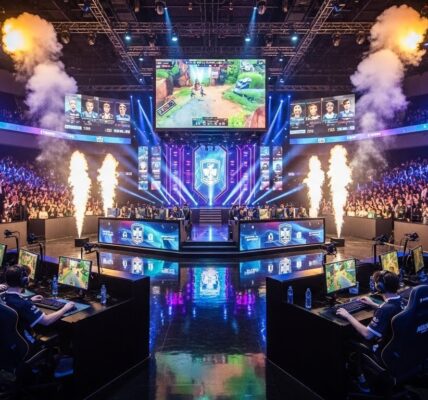
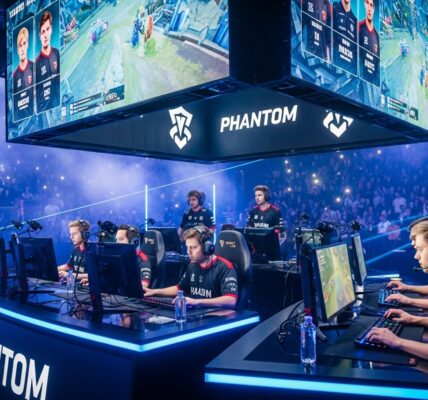
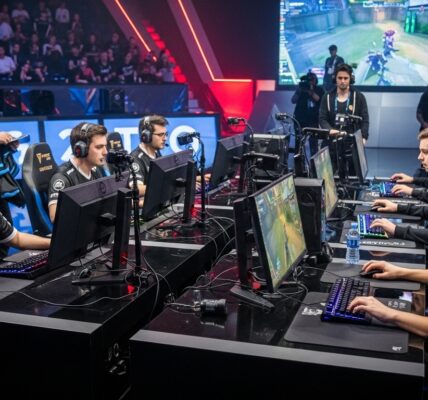
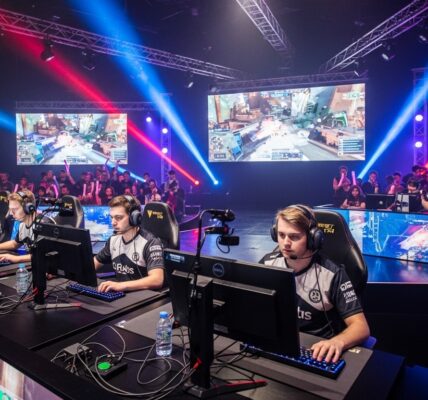
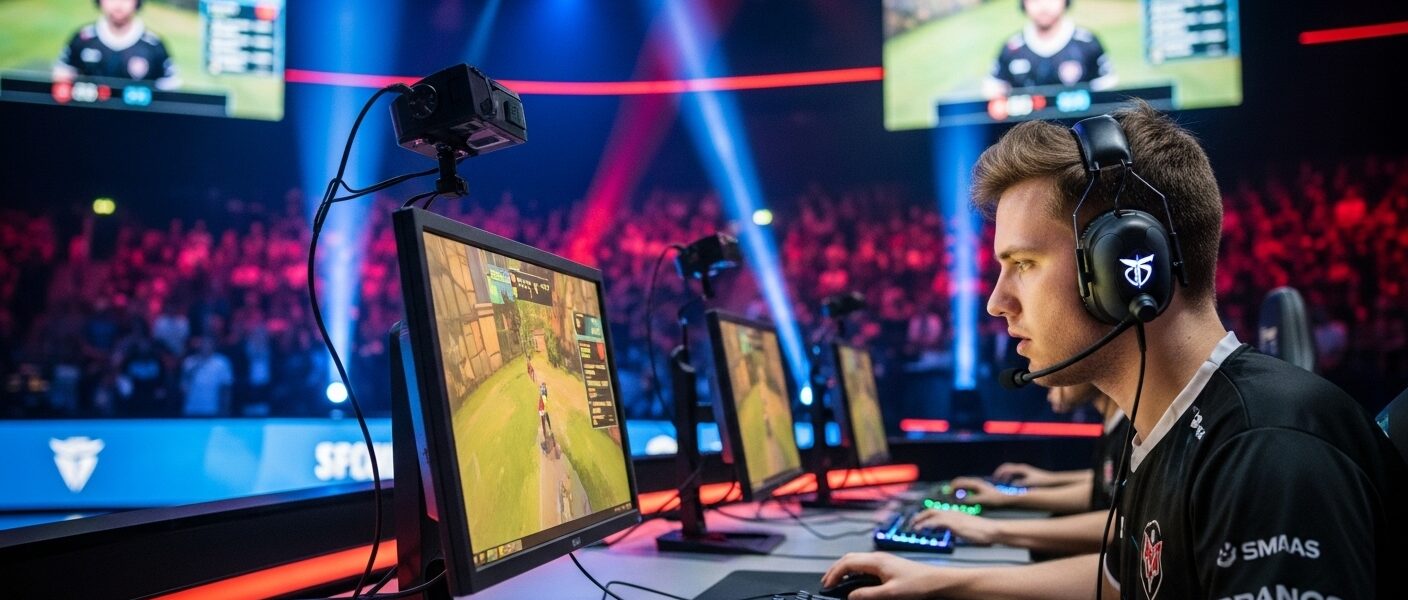
The world of sports is evolving faster than ever. Technology has become an inseparable part of the game, enhancing training, performance analysis, and fan engagement. Virtual reality, wearable devices, and AI-based coaching systems are reshaping how athletes prepare and how audiences experience the game. E-sports, once dismissed as entertainment, now stand as a global phenomenon with millions of players and viewers.
While technology enhances accessibility and innovation, it also raises questions about authenticity and overreliance on data. Yet, when used wisely, it democratizes sports, making knowledge and training accessible to anyone with passion. The future promises a blend of tradition and technology — where human creativity continues to thrive alongside digital precision.
Sports and the Environment: A Growing Responsibility
As global awareness of sustainability rises, sports too are embracing environmental responsibility. Major events are adopting eco-friendly practices, reducing waste, and promoting awareness of climate change. Stadiums are being built with renewable energy, and athletes are using their platforms to advocate for environmental causes. Sports, which depend on nature — fields, air, water — have a moral duty to protect it.
Fans are increasingly supporting initiatives that combine athletic excellence with ecological mindfulness. From marathon organizers reducing plastic waste to surf competitions promoting ocean conservation, sports are proving that performance and preservation can coexist.
The Healing Power of Sports
Sports can heal — physically, emotionally, and socially. For individuals recovering from trauma or addiction, physical activity offers an outlet for stress and a path to rebuilding confidence. For communities recovering from disaster or conflict, sports programs often serve as tools for reconciliation and peace. The act of playing, of connecting through shared goals, helps mend divisions that words alone cannot.
In hospitals, rehabilitation centers, and refugee camps, sports continue to be used as therapy — a reminder that movement and play are deeply human needs. They restore hope where despair once lived.
Conclusion: The Enduring Legacy of Sports
The beauty of sports lies in its simplicity and depth. It is both a game and a mirror of life. In victory, we find joy; in defeat, we find wisdom. Sports teach us to value effort over ease, teamwork over ego, and growth over glory. They remind us that success is not defined by trophies but by transformation — the quiet, unseen evolution of the human spirit.
From ancient arenas to modern stadiums, the essence of sports remains unchanged: to challenge, to connect, to inspire. Whether it’s a child learning to run, a team striving for a championship, or an elder recalling the glory days, the heartbeat of sports continues to echo across generations. It’s not just about who wins, but about who we become in the process.
Sports will always be more than play. They are a celebration of life itself — a reminder that within every sprint, every throw, and every cheer lies the infinite potential of the human soul.