
Esports, once a niche activity enjoyed by a small group of dedicated gamers, has exploded into a global phenomenon. With the advent of powerful gaming systems, the rise of streaming platforms, and the widespread accessibility of high-speed internet, esports has evolved into a multibillion-dollar industry that rivals traditional sports in viewership, sponsorship, and cultural impact. From professional players competing in high-stakes tournaments to the rise of global esports organizations, competitive gaming is reshaping the entertainment landscape. In this post, we’ll explore the growth of esports, its current state, and where the industry is headed in the future.
The Emergence of Esports: From Casual Play to Professional Competitions
The story of esports begins in the late 20th century when video games first began offering multiplayer modes that allowed players to compete against each other. However, it wasn’t until the early 2000s that organized competitive gaming tournaments started gaining traction. Games like Quake, StarCraft, and Warcraft III served as the foundation for competitive gaming, with players testing their skills against one another in local tournaments and small-scale online events.
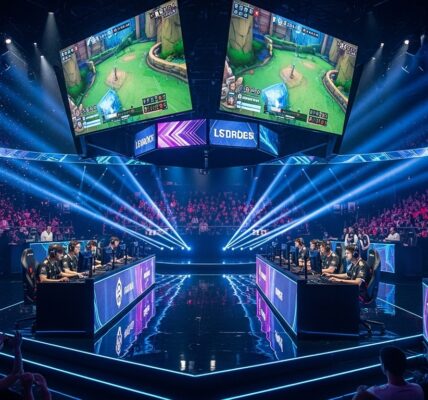
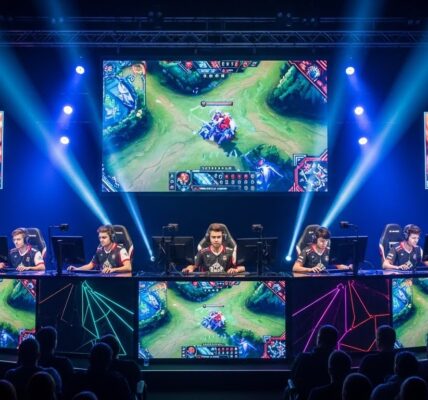
The first major milestones in the esports industry occurred with the creation of professional gaming leagues and larger-scale events. The introduction of League of Legends (LoL) by Riot Games in 2009 marked a turning point for esports. Not only did it create a competitive environment that could be accessed by millions of players worldwide, but it also laid the groundwork for the establishment of organized leagues. The launch of the League of Legends World Championship in 2011 was a defining moment, as it showcased esports’ potential to draw large audiences and generate substantial revenue.
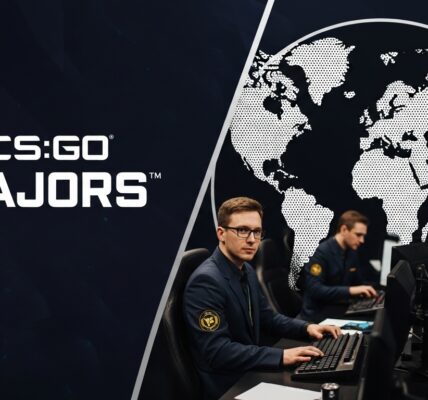
As competitive gaming gained popularity, more developers began to focus on creating titles specifically designed for the esports market. Games like Dota 2, Counter-Strike: Global Offensive (CS: GO), and Overwatch followed, each contributing to the rapid rise of professional gaming and shaping the competitive gaming scene as we know it today.
Esports and Its Expanding Audience: A Global Phenomenon
One of the key factors contributing to the growth of esports is the vast and diverse audience it attracts. Unlike traditional sports, where regional and cultural barriers can limit viewership, esports has a unique ability to reach a global audience. Through streaming platforms such as Twitch and YouTube Gaming, fans from all over the world can watch their favorite teams and players in real-time, regardless of their location.
The audience for esports has exploded in recent years, with millions of people tuning in to watch major tournaments like The International (Dota 2’s premier event), the League of Legends World Championship, and the Overwatch League. According to a 2020 report, the global esports audience was estimated to be over 450 million people, and this number is expected to continue rising in the coming years.
The appeal of esports extends beyond just watching the competitions. Many fans engage with the community by following streamers and professional players, participating in live chats, and sharing content on social media. This sense of connection fosters a dedicated fanbase that transcends borders, creating an inclusive and diverse esports ecosystem.
The Professionalization of Esports: Teams, Tournaments, and Sponsors
The rise of esports has been accompanied by the professionalization of competitive gaming. Esports players today are not just amateurs playing for fun—they are highly skilled athletes who train rigorously, much like their counterparts in traditional sports. Professional esports teams have emerged, with organizations such as Cloud9, Team Liquid, and Fnatic representing top-tier players across multiple games. These teams sign players to contracts, offer training facilities, and pay salaries, creating career paths for talented gamers who once had few professional opportunities.
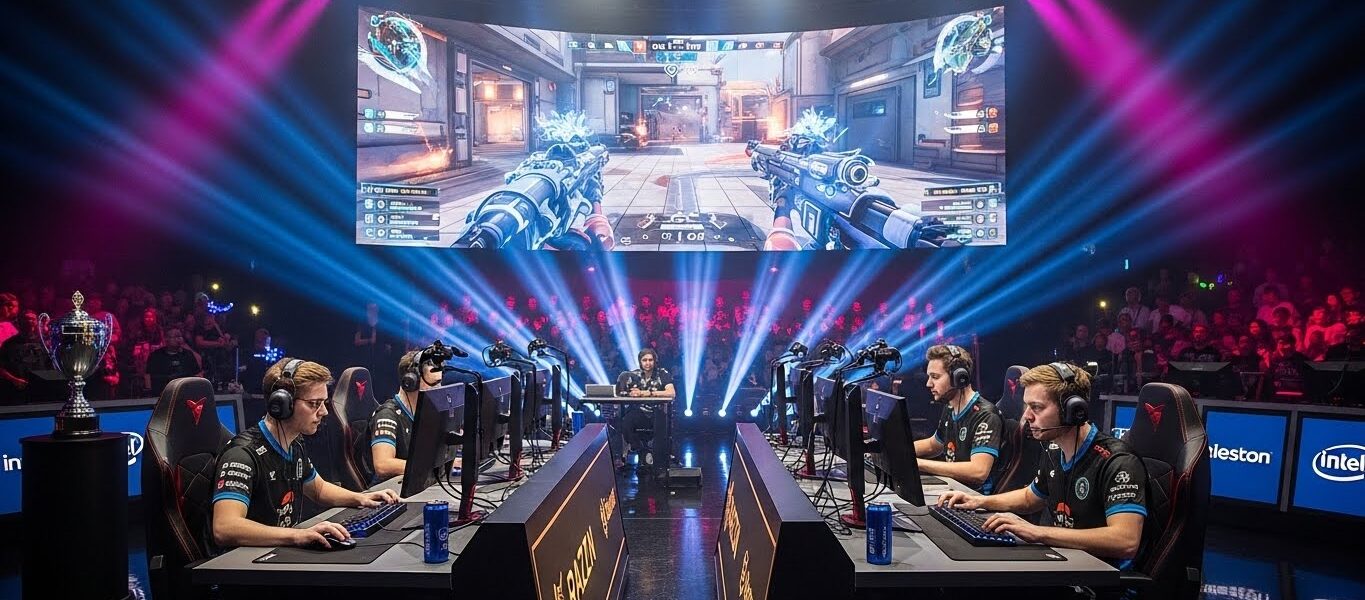
Esports tournaments are now global spectacles, with prize pools that rival or even exceed those of traditional sports competitions. For instance, The International, the annual Dota 2 tournament, set a record in 2021 with a prize pool exceeding $40 million. This kind of financial incentive has helped transform esports from a hobby into a legitimate career choice for aspiring gamers.
Sponsorships are a major revenue stream for the esports industry, and brands are increasingly eager to get involved. Companies like Intel, Coca-Cola, Red Bull, and Nike have all sponsored esports teams, tournaments, and events, seeing esports as a way to reach a younger, tech-savvy demographic. These sponsorships have led to high-quality broadcasts, better player facilities, and overall growth in the industry.
The Cultural Impact of Esports: Gamers as Celebrities
With the professionalization of esports comes the rise of gaming celebrities. Just as athletes in traditional sports gain recognition and fame, esports players are becoming household names in the gaming world. Players such as Faker (Lee Sang-hyeok) from League of Legends, s1mple (Oleksandr Kostyliev) from CS: GO, and Ninja (Tyler Blevins) from Fortnite have amassed millions of followers on platforms like Twitch, YouTube, and Twitter.
Esports players are not just athletes—they are entertainers, influencers, and role models for younger generations of gamers. They engage with fans through social media, host live streams, and create content outside of their competitive play, fostering a closer connection with their audience. This new type of celebrity is more accessible than traditional athletes, as fans can interact with their favorite players in real-time during streams, creating a more personal experience.
Esports has also influenced other sectors of the entertainment industry, including music, fashion, and film. Major music artists like The Chainsmokers and Imagine Dragons have collaborated with esports organizations to create music for tournaments or events, while fashion brands have capitalized on esports’ popularity by creating esports-specific merchandise.
The Role of Streaming Platforms: Changing How We Watch Sports
One of the most important developments in the growth of esports is the role that streaming platforms have played in changing how we watch competitive events. Unlike traditional sports, which are primarily broadcast on television, esports is almost entirely consumed through live streaming services. Platforms like Twitch and YouTube Gaming allow viewers to watch events, interact with players, and even donate to their favorite streamers.
Streaming has also provided gamers with an opportunity to turn their passion into a profession. Many players and streamers earn revenue through ads, sponsorships, subscriptions, and donations. The accessibility of these platforms has made it easier for anyone with a gaming setup to broadcast their gameplay and build an audience. This has given rise to a new wave of content creators, including Shroud, Pokimane, and Tyler1, who have gained massive followings and become influential figures in the gaming community.
The interactivity of streaming platforms also sets esports apart from traditional sports. Fans can comment on matches in real-time, interact with commentators, and even influence the outcome of certain events through voting or donations. This creates a more immersive and engaging experience for fans, further solidifying esports as a unique form of entertainment.
Esports and Education: The Rise of College Esports Programs
Another emerging trend in the world of esports is its integration into education. Many universities and colleges around the world are now offering esports scholarships and creating dedicated esports programs. This trend reflects the growing recognition of esports as a legitimate and valuable career path. Students who excel at games like League of Legends, Rocket League, or Overwatch can now earn scholarships to attend college, just as athletes in traditional sports do.
In addition to scholarships, universities are also creating esports facilities and offering academic programs related to esports management, game design, and streaming. This allows students to gain the skills needed to pursue a variety of careers in the esports industry, whether as professional players, team managers, event organizers, or content creators.
Esports is also being used as a tool for education and engagement in K-12 schools. Educational institutions are using games like Minecraft and Roblox to teach students critical thinking, problem-solving, and teamwork. Esports programs in schools not only provide students with a creative outlet but also prepare them for the evolving job market in the gaming industry.
The Future of Esports: Virtual Reality, AI, and Global Expansion
As esports continues to grow, the future looks even more exciting. Technological advancements are poised to revolutionize the way we experience competitive gaming. Virtual reality (VR) is one area that is expected to have a significant impact. Imagine watching an esports tournament in VR, where you could be transported directly into the action and experience it as though you were sitting next to the players. VR could open up new possibilities for both players and spectators, creating a more immersive and interactive environment.
Artificial intelligence (AI) is another area that could change the landscape of esports. AI could be used to analyze player performance in real-time, offering insights into gameplay strategies and tactics. This could be invaluable for coaches and players looking to refine their skills and make data-driven decisions.
Esports is also poised for further global expansion. While the industry has already seen massive growth in countries like South Korea, China, and the United States, other regions like South America, Africa, and the Middle East are beginning to embrace esports as well. With the development of faster internet infrastructure and increased access to gaming hardware, esports could become a global pastime enjoyed by millions of people across all continents.
Conclusion: The Boundless Potential of Esports
Esports has come a long way since its early days as a niche activity enjoyed by a small group of enthusiasts. Today, it is a thriving global industry that offers career opportunities for players, coaches, analysts, and content creators. With the continued growth of streaming platforms, the rise of college esports programs, and the increasing interest from sponsors and investors, the future of esports looks incredibly promising.