
Introduction
In the span of just a few decades, video games have transformed from a casual pastime into a billion-dollar global industry known as esports. What was once seen as simple entertainment for children or hobbyists has now evolved into a serious, professional, and highly competitive arena where players, teams, and organizations compete for fame, glory, and substantial monetary rewards. Esports, short for “electronic sports,” represents the fusion of gaming, technology, and sportsmanship, creating a new digital culture that resonates deeply with millions around the world.
The journey of esports from humble beginnings in arcade rooms and living rooms to massive international tournaments fills stadiums and attracts millions of online viewers is a story of innovation, passion, and community. It is more than just about gaming; it’s about teamwork, discipline, strategy, and a shared digital culture that transcends borders.
The Early Days of Esports
The roots of esports can be traced back to the early 1970s and 1980s when video games first began gaining popularity. The first known video game competition occurred in 1972 at Stanford University, where students competed in a game called Spacewar! for a year’s subscription to a magazine. Although modest, this event laid the foundation for organized competitive gaming.
The 1980s saw the arcade boom, where games like Pac-Man, Donkey Kong, and Space Invaders dominated. Players would compete for the highest scores displayed on arcade leaderboards, and this era fostered the first generation of gaming champions. Televised competitions such as the Space Invaders Championship in 1980 brought together thousands of players across the United States, signaling the beginning of a competitive gaming culture.
However, esports as we know it truly began to form in the 1990s with the rise of home gaming consoles, personal computers, and the internet. Titles like Street Fighter II, Quake, and StarCraft gave rise to organized tournaments and gaming communities. LAN (Local Area Network) parties became a popular way for gamers to gather and compete. These early tournaments, though relatively small in scale, were critical in shaping the competitive gaming landscape that would soon explode globally.
The Internet Age and Online Competition
The late 1990s and early 2000s marked a transformative period for esports. The introduction of faster internet connections allowed players from different parts of the world to compete against one another in real time. Games like Counter-Strike, Warcraft III, and StarCraft: Brood War became pillars of online competition.
South Korea emerged as the epicenter of this new esports phenomenon. The country’s technological infrastructure, coupled with cultural enthusiasm for gaming, led to the professionalization of esports much earlier than in other regions. Television networks in South Korea began broadcasting live matches, and professional players became national celebrities. This early acceptance of esports as a legitimate career path inspired other regions to follow suit.
Organizations such as the Cyberathlete Professional League (CPL) and the World Cyber Games (WCG) helped formalize esports competitions on a global scale. With structured tournaments, sponsorships, and cash prizes, esports began gaining credibility as a legitimate form of competition, rivaling traditional sports in organization and spectacle.
The Professionalization of Esports
As technology advanced, esports transitioned from a niche hobby to a professional industry. Major developers recognized the potential of competitive gaming and began investing heavily in creating ecosystems around their titles. Games like League of Legends, Dota 2, and Call of Duty introduced professional leagues and official world championships.
Professional teams emerged, often modeled after traditional sports teams, complete with coaches, analysts, and training facilities. Players signed contracts, received salaries, and participated in structured tournaments. The scale of these events grew rapidly, with audiences watching live streams on platforms such as Twitch and YouTube.
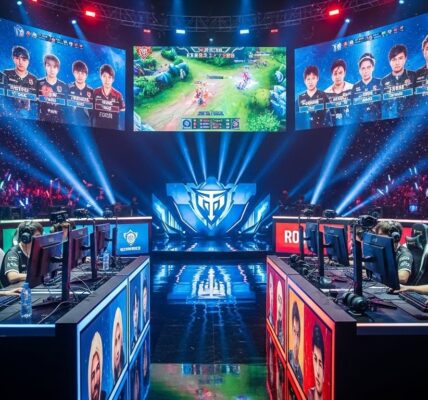
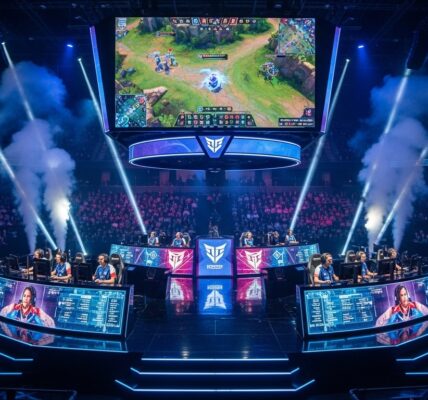
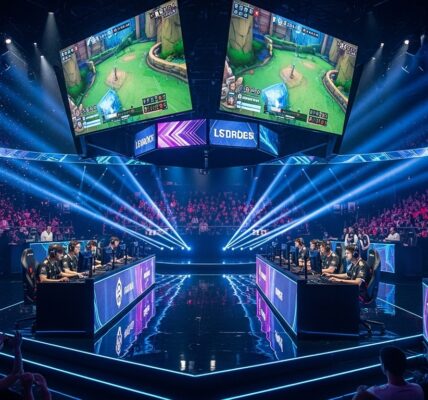
By the 2010s, esports had evolved into a mainstream form of entertainment. Stadiums began filling with tens of thousands of fans eager to watch their favorite teams compete live. Meanwhile, millions more watched online from around the world. Prize pools grew to astronomical amounts; for instance, The International, the annual Dota 2 world championship, offered multi-million-dollar rewards funded by the game’s community through in-game purchases.
The Cultural Impact of Esports
Esports has had a profound cultural impact beyond just gaming. It has redefined what it means to be an athlete in the digital age. While traditional sports rely on physical prowess, esports emphasizes mental agility, reaction time, strategy, and teamwork. The dedication and discipline required to compete at the highest level are no less intense than in traditional athletics.
Moreover, esports has fostered a unique global community. Players and fans from different countries connect through shared interests, creating a sense of unity that transcends cultural and linguistic barriers. Esports events are now celebrated festivals that combine entertainment, music, and technology.
The rise of esports has also influenced other industries, including fashion, music, and media. Luxury brands and popular artists have collaborated with gaming companies and teams to reach younger audiences. Streaming platforms have created new celebrities—professional gamers and streamers—who command millions of followers and lucrative sponsorship deals.
The Role of Technology in Esports Growth
Technology is the driving force behind esports’ success. Advances in internet infrastructure, streaming technology, and gaming hardware have made competitive gaming more accessible and engaging than ever. High-speed connections enable real-time global competition, while powerful computers and consoles provide the performance required for precision gameplay.
Streaming platforms have been instrumental in making esports a global spectacle. Viewers can watch live matches, follow their favorite players, and engage with the community in real time. Social media amplifies this interaction, allowing fans to participate in discussions, share highlights, and support their teams passionately.
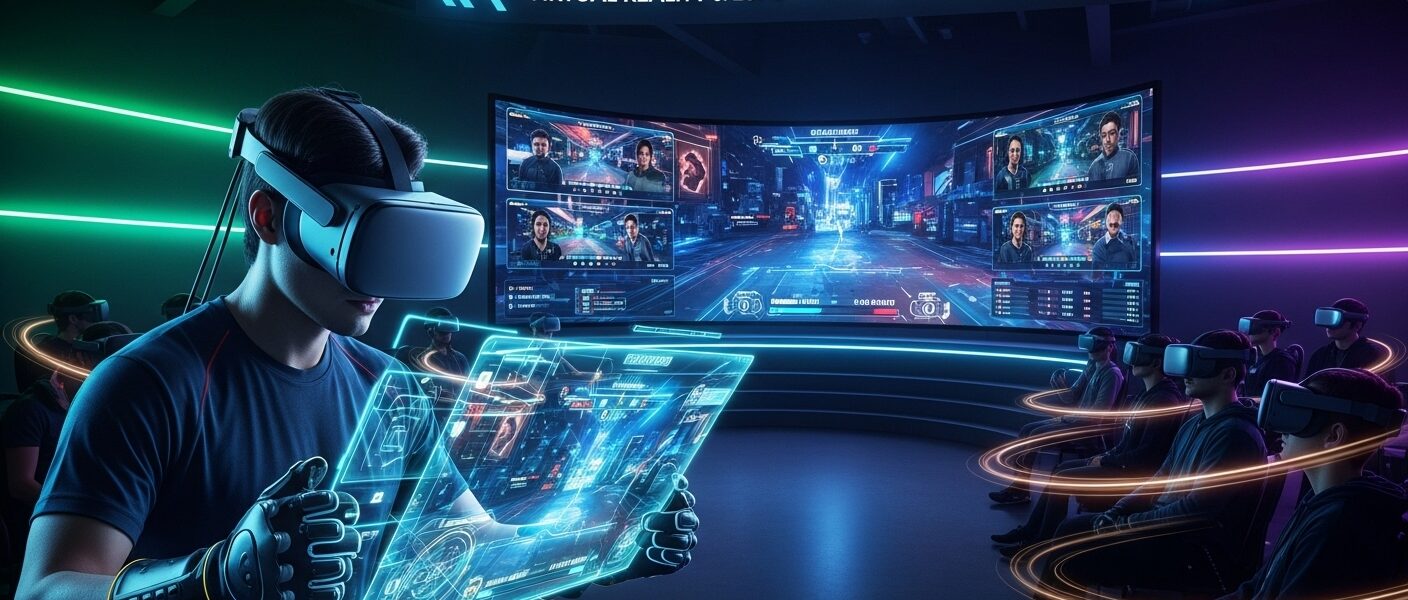
Virtual reality (VR) and augmented reality (AR) are also beginning to influence esports, offering immersive new experiences for both players and spectators. As these technologies develop, they may redefine how esports competitions are played and viewed in the future.
Esports and Education
One of the most fascinating developments in recent years is the integration of esports into education. Universities and high schools around the world have started offering esports programs, scholarships, and even degrees related to gaming, game design, and esports management.
These programs recognize the academic potential of gaming, emphasizing teamwork, strategic thinking, and problem-solving. Students involved in esports often develop valuable skills applicable in many industries, including communication, leadership, and technology.
Additionally, esports clubs and school leagues provide young players with opportunities to develop their talents in a structured and supportive environment. This approach helps legitimize esports as a viable career option and reduces the stigma once associated with gaming.
The Economic Power of Esports
The esports industry has become an economic powerhouse. With revenues surpassing billions of dollars annually, it rivals traditional sports in financial impact. Sponsorships, advertising, ticket sales, merchandising, and media rights are major revenue streams.
Companies across various sectors—from technology giants to beverage brands—invest heavily in esports sponsorships to reach younger, digitally engaged audiences. Esports organizations, in turn, have become professional enterprises, managing teams, content creation, and fan engagement across multiple platforms.
Job opportunities within esports are no longer limited to professional players. There are roles in event management, marketing, broadcasting, coaching, data analytics, and game development. The industry’s expansion continues to create employment across numerous sectors, reinforcing its status as a legitimate and sustainable field.
Challenges in Esports
Despite its success, esports faces several challenges. One major concern is player burnout. Professional gamers often practice for long hours, sometimes up to twelve hours a day, which can lead to physical and mental fatigue. Maintaining a healthy balance between competition and well-being remains a key issue.
Cheating and integrity are also major concerns. The use of hacks, match-fixing, and doping scandals have occasionally tarnished esports’ reputation. Organizations have since implemented stricter regulations, anti-cheat software, and professional codes of conduct to ensure fair play.
Another challenge lies in diversity and inclusion. While esports has a global fan base, the industry still struggles with gender representation and inclusivity. Efforts are being made to create more opportunities for women and underrepresented groups in competitive gaming, but there is still progress to be made.
The Future of Esports
The future of esports looks incredibly bright. As technology continues to evolve, the line between physical and digital competition will blur further. Virtual reality, artificial intelligence, and cloud gaming will open new dimensions of gameplay and viewer experience.
Esports may soon be integrated into mainstream sporting events. In fact, the inclusion of esports as a demonstration event in global sporting competitions signals growing recognition. Discussions around incorporating esports into the Olympics highlight its potential to stand alongside traditional athletic disciplines.
Moreover, the next generation of gamers is growing up in a world where esports is already normalized. This generational shift will continue to propel the industry forward, ensuring that esports remains a major cultural and economic force in the decades to come.
The Global Community of Esports
Esports’ global reach is one of its greatest strengths. From Asia to Europe, North America to Africa, gaming communities thrive in every region. Regional leagues, world championships, and online qualifiers connect players from diverse backgrounds, fostering an international sense of competition and camaraderie.
In countries like China, South Korea, and the United States, esports are treated with the same prestige as traditional sports. Governments and institutions have begun recognizing professional gamers as athletes, providing support and structure to the industry. In emerging markets such as Southeast Asia, the Middle East, and Africa, mobile gaming is fueling rapid esports growth, making competitive gaming more inclusive than ever.
The Psychology Behind Competitive Gaming
Behind every successful esports player is a combination of talent, practice, and mental fortitude. The psychological aspect of gaming is as important as mechanical skill. Players must stay focused, manage stress, and maintain composure under pressure.
Teams also rely on strong communication and coordination, emphasizing trust and adaptability. The mental challenges of esports mirror those found in traditional sports, where maintaining confidence and emotional control can determine victory or defeat.
The growing awareness of mental health in esports is leading to better support systems. Teams now employ sports psychologists and wellness coaches to help players maintain balance and longevity in their careers.
Conclusion
Esports is not just a trend; it is a global phenomenon redefining entertainment, technology, and competition. What began as small gatherings of gamers has evolved into a sophisticated industry that rivals traditional sports in scale, passion, and professionalism.
The rise of esports symbolizes the power of the digital age—a testament to how technology can create new forms of connection and expression. It celebrates creativity, community, and the pursuit of excellence in the virtual arena.
As the world continues to embrace digital transformation, esports will remain at the forefront, inspiring millions and shaping the future of competition. Whether as a player, fan, or creator, everyone has a place in the world of esports—a realm where pixels meet passion, and every victory echoes across the globe.