The Digital Arena: How Esports Became the New Age Battleground of Skill and Strategy

Esports has rapidly transformed from a niche hobby into a global phenomenon. What once began as small gatherings of gamers competing for bragging rights has evolved into a multibillion-dollar industry with professional players, massive arenas, and millions of passionate fans. Today, esports stands as a cultural force that continues to reshape entertainment, sports, and technology. In this comprehensive blog post, we will explore the evolution of esports, the life of professional players, the community driving this movement, and its promising future.
The Birth of a Global Phenomenon
Esports did not emerge overnight. Its roots trace back to the early days of computer and arcade gaming. Gaming competitions were initially small and local, driven largely by hobbyists who played for enjoyment rather than recognition. Over time, advancements in technology, graphics, and internet connectivity expanded the possibilities of competitive gaming.
As computers became more powerful and online play more accessible, players were no longer limited to competing with friends in the same room. They could challenge opponents globally, participate in online tournaments, and grow stronger through exposure to new strategies and playstyles. This shift laid the groundwork for the esports ecosystem.
As modern games like StarCraft, Counter-Strike, Dota, and League of Legends rose in popularity, they brought structured competitive scenes with ranking systems, tactical depth, and organized tournaments. These games weren’t just about winning but mastering a blend of coordination, reaction time, planning, and creativity. This set esports apart from casual gaming, framing it as a discipline requiring commitment and excellence.
Why Esports Captivates Millions
Esports captures global audiences because it offers something traditional sports and modern entertainment often struggle to provide simultaneously: interactivity, accessibility, and spectacle.
Fans can instantly play the same games they watch professionals compete in. This creates a unique bond between players and their idols. Unlike traditional athletes who train with specialized equipment, gamers can practice using the same tools the pros do—a computer, a console, or even a smartphone.
Moreover, esports is incredibly diverse. There are games for strategy lovers, shooters for quick-thinking adrenaline fans, sports simulators for traditional sports enthusiasts, and battle royale titles for players who enjoy unpredictability. The variety ensures that anyone can find a game and competitive scene that resonates with them.
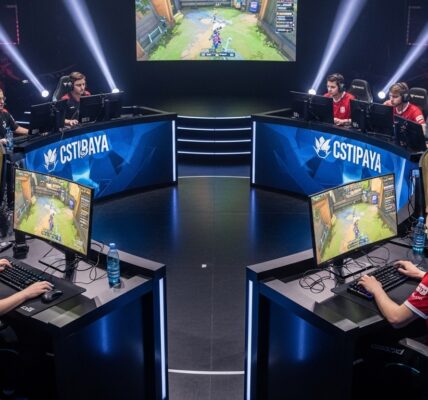
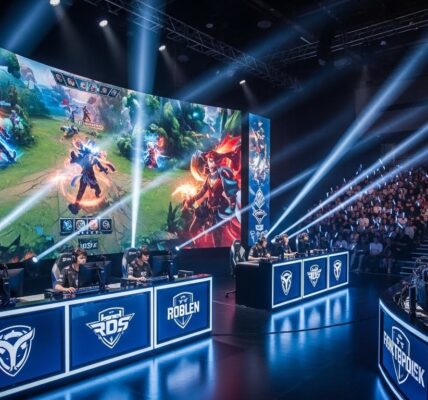
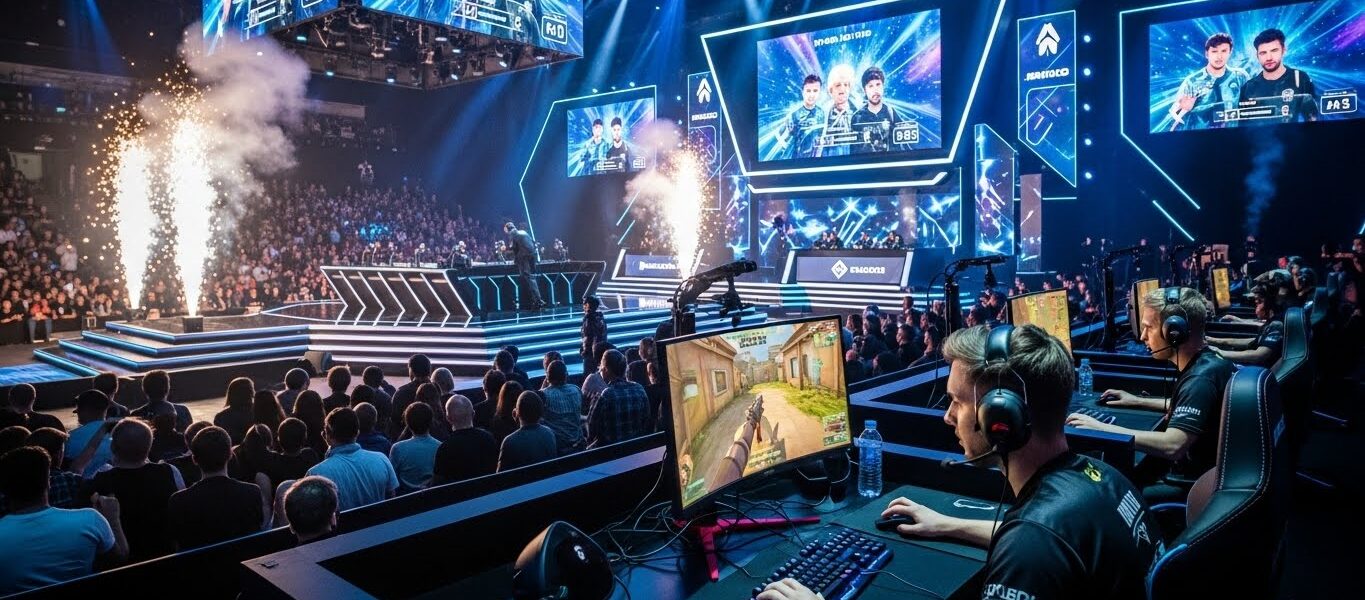
The spectacle of esports also lies in its presentation. Top-level tournaments use advanced stage lighting, dramatic sound effects, real-time statistics, and commentary that breaks down the action for both experts and newcomers. The visual intensity of these events often rivals major entertainment shows, making esports more than just competition—it becomes a full-blown experience.
Inside the Life of a Professional Esports Player
Becoming a professional esports athlete is not as simple as being good at a game. It requires discipline, resilience, teamwork, and countless hours of focused practice. Professional players dedicate six to ten hours per day to training. They analyze opponents, refine strategies, scrimmage with teammates, and work closely with coaches to improve their performance.
Their lifestyle also includes physical training, nutritional discipline, and mental conditioning. Contrary to the stereotype of gamers as inactive, many esports organizations employ fitness coaches to ensure players maintain healthy bodies capable of handling long tournaments and high-stress matches.
Mental health is equally important. Esports can be mentally taxing due to constant pressure to perform, public scrutiny, intense competition, and the fast-paced nature of tournaments. Teams often bring in sports psychologists to help players manage stress, develop focus, and maintain emotional balance.
While the journey to becoming a professional is demanding, it is also rewarding. Top players earn salaries, sponsorships, prize money, and international recognition. They become role models for millions of aspiring gamers.
The Rise of Professional Leagues and Tournaments
Esports organizations have developed structured competitive leagues similar to traditional sports systems. Games like League of Legends, Overwatch, Counter-Strike, and Valorant feature seasonal leagues, playoffs, and world championships.
These competitions fill entire stadiums with cheering fans, complete with merchandise booths, live commentary, and fan meet-and-greets. The energy within these venues mirrors, and at times surpasses, traditional sports events.
The scale of modern esports tournaments is astonishing. Championships draw millions of viewers online, with some events breaking viewership records previously held only by major sporting competitions. Prize pools for major tournaments can reach staggering figures, offering life-changing earnings for top-performing teams.
This organized structure has paved the way for sustainable careers, strong team identities, and global fanbases. It has also encouraged mainstream brands to sponsor teams, contribute to prize pools, and elevate the professionalism of the industry.
How Technology Fuels Esports Growth
Technology is the backbone of esports. Advancements in hardware, gaming engines, streaming platforms, and internet infrastructure continually push the industry forward.
High-performance gaming devices allow players to compete at the highest precision and speed. Streaming platforms enable fans worldwide to watch matches live, engage in chat discussions, and support their favorite teams. Social media amplifies the visibility of players and events, turning gamers into influencers and celebrities.
Virtual reality, augmented reality, and artificial intelligence are set to bring new possibilities to esports. With technology continuously evolving, the future holds endless innovation for how games are played, broadcast, and experienced by fans.
Esports in Education and Career Opportunities
Esports is increasingly recognized in academic and professional environments. Colleges and universities around the world now offer scholarships for esports athletes, similar to traditional sports scholarships. Students train with professional coaches, study game design, and participate in intercollegiate tournaments.
Esports careers extend far beyond playing. There are opportunities in coaching, game development, event management, shoutcasting, content creation, graphic design, marketing, analytics, and more. The industry supports a diverse range of talents and skill sets, making esports a viable career path for many.
Community: The Heart of Esports
What truly drives esports is its community. Gamers are passionate, loyal, and deeply connected to the culture surrounding their favorite titles. Fans participate through forums, social channels, live streams, and fan art. They support their favorite teams with unmatched dedication and celebrate victory as though it were their own.
The esports community is global and inclusive. People from different cultures, languages, and backgrounds unite through their love for the game. This universal bond fosters friendships, collaboration, and cultural exchange.
The Future of Esports: Boundless Potential
Esports shows no signs of slowing down. With growing investment, advancing technology, and expanding global reach, it is set to become even more influential in the entertainment landscape.
We can expect more international leagues, larger tournaments, and tighter integration with virtual reality experiences. As traditional sports begin collaborating with gaming companies, hybrid events may blur the lines between digital and physical competition.
Education, technology, and media industries will increasingly collaborate with esports, creating new platforms for interactive entertainment and learning. The next decade promises innovation, inclusivity, and unprecedented growth.
Final Thoughts
Esports stands as one of the most transformative movements of the 21st century. It blends strategy, technology, entertainment, and athletic dedication into a single electrifying experience. From local tournaments to global arenas, esports continues to captivate hearts and minds across the world.
Its rise reflects a new era—one where digital skill is as celebrated as physical strength, where global communities are built through shared passion, and where the gaming world shapes the future of entertainment.