
Introduction
In competitive environments — whether in esports, sports, or even high-pressure careers — milliseconds often make the difference between victory and defeat. The ability to react quickly to changing situations is one of the most important skills any performer can develop. Yet, reaction time isn’t solely a matter of physical ability. It’s deeply connected to the mind — specifically, to focus.
Focus determines how effectively your brain processes information and converts it into action. When your mind is distracted, your reactions slow down. When it’s sharp and fully engaged, every sense works in unison to produce rapid, precise responses. This is why focus exercises have become a key element in training programs for professional gamers, athletes, and even military personnel.
This article explores the fascinating link between focus and reaction time, explaining how targeted exercises can sharpen mental performance, enhance sensory coordination, and ultimately improve speed and precision in both physical and cognitive tasks.
Understanding Reaction Time
Reaction time refers to the interval between perceiving a stimulus and initiating a response. For example, pressing a button when you see a light flash, dodging a virtual attack in a game, or catching a ball mid-air are all examples of reaction-based actions.
There are two main components of reaction time:
- Cognitive processing speed, which involves recognizing the signal and deciding what to do.
- Motor response, which is the physical execution of that decision.
Focus directly affects the first component. The brain acts like a processor — when it’s overloaded or distracted, signals take longer to travel through the cognitive system. But when attention is clear and uninterrupted, the brain filters irrelevant information and prioritizes the correct action almost instantly.
In essence, improving focus means optimizing the brain’s “software,” allowing the body’s “hardware” to respond more efficiently.
The Science Behind Focus and Reaction
To understand why focus training works, it helps to look at how the brain handles information. When you’re focused, your prefrontal cortex — the part responsible for attention and decision-making — becomes highly active. This region coordinates signals from sensory systems, helping you interpret what you see, hear, or feel in real time.
At the same time, the basal ganglia and cerebellum, which control movement, prepare your muscles for rapid responses. The stronger the neural connection between perception and movement, the faster you can react.
However, when the mind wanders or multitasks, this neural connection weakens. The brain wastes milliseconds analyzing unnecessary stimuli, leading to delayed reactions. Focus exercises strengthen the neural circuits that prioritize relevant signals while filtering distractions. Over time, this training fine-tunes your nervous system to operate with speed and precision under pressure.
Why Focus Matters in Esports and Competitive Gaming
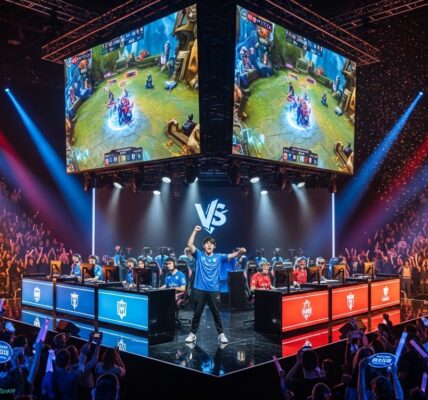
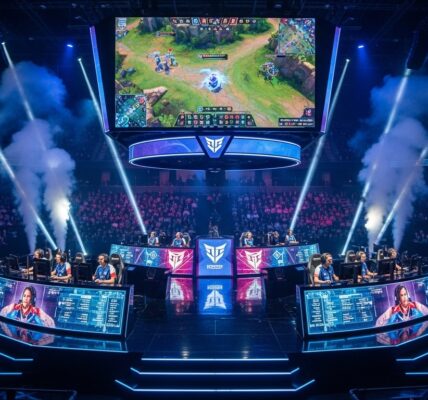
Reaction time is one of the defining skills in esports. Whether it’s aiming in a shooter, executing combos in a fighting game, or reacting to a sudden enemy ambush in a MOBA, milliseconds decide outcomes.
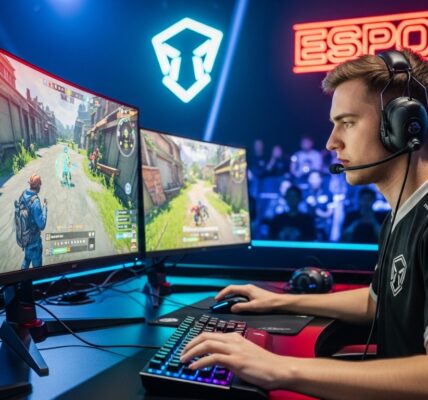
Professional gamers often have reaction times under 200 milliseconds — faster than the average human response speed. But this isn’t just natural talent; it’s the result of intense mental conditioning. Maintaining focus for hours while making hundreds of micro-decisions requires incredible concentration.
Focus exercises help esports athletes stay locked in, even during fatigue or stress. By practicing mental clarity and selective attention, they ensure that their reactions remain sharp throughout tournaments. This training doesn’t just improve physical response speed but enhances decision quality, preventing errors caused by mental fatigue or overthinking.
The Connection Between Focus and the Nervous System
Reaction time isn’t only about the brain — it involves the entire nervous system. When you focus intensely, your sympathetic nervous system activates just enough to heighten awareness without overwhelming you with stress. This balanced state is sometimes called “flow.”
In the flow state, your mind and body operate in perfect synchronization. Time feels slower, actions feel natural, and reactions occur almost automatically. Focus exercises train your nervous system to enter this state more frequently, allowing your reactions to remain consistent and reliable even in high-pressure moments.
Over time, this conditioning improves the brain’s efficiency in transmitting signals to the muscles. The result: smoother, faster, and more precise physical execution.
Common Types of Focus Exercises
Focus exercises vary widely, but all share one goal — to train the brain to stay present, filter distractions, and respond effectively. Below are several proven methods used by both esports professionals and traditional athletes.
1. Mindfulness Meditation
Mindfulness teaches the brain to remain aware of the present moment. By focusing on breathing, body sensations, or specific sounds, you strengthen your ability to notice distractions without reacting to them. Studies have shown that even 10 minutes of mindfulness practice daily can improve attention span and reduce cognitive fatigue.
Over time, this helps players sustain longer periods of concentration during matches, leading to quicker, more accurate reactions.
2. Eye-Tracking Drills
Many reaction tasks begin with visual processing. Eye-tracking exercises — such as following a moving target or quickly identifying visual cues — enhance hand-eye coordination and visual response speed. Gamers can practice these drills using moving dots, flashing lights, or aim trainers designed to improve focus and visual acuity.
3. Cognitive Reaction Games
Tools like reaction-time tests, pattern recognition games, and brain-training apps target both mental speed and selective attention. These exercises force the brain to recognize cues and act instantly, strengthening the connection between perception and action.
4. Breathing and Visualization
Controlled breathing lowers stress and stabilizes the nervous system, while visualization prepares the mind for fast responses. Visualizing in-game situations before they happen helps the brain rehearse the reaction pathways, reducing hesitation when similar scenarios occur in real matches.
5. Sensory Focus Training
Exercises that enhance auditory or tactile focus, such as identifying sounds or responding to vibrations, can improve multisensory reaction time. This is especially useful for games that rely on sound cues, like footsteps or reloading noises.
How Focus Exercises Physically Change the Brain
Focus training leads to measurable structural changes in the brain. Research shows that mindfulness and attention-based exercises increase gray matter density in regions associated with sensory processing, coordination, and memory.
Regular focus exercises also improve neuroplasticity, the brain’s ability to form new neural pathways. This allows the brain to adapt faster to new challenges and improve communication between sensory input and motor output.
For esports players, this means not only faster reflexes but also greater adaptability. The more efficiently your brain learns to interpret patterns and cues, the faster it can predict and respond to in-game events.
The Role of Sleep and Nutrition in Focus and Reaction
While exercises are vital, focus and reaction time also depend on physiological factors like sleep and nutrition.
Sleep:
Lack of rest slows cognitive processing and impairs attention. During deep sleep, the brain consolidates neural connections formed during the day. Missing this recovery time leads to slower signal transmission, reduced awareness, and delayed reactions. Athletes who prioritize 7–9 hours of quality sleep consistently outperform those who don’t.
Nutrition:
The brain relies on proper fuel. Omega-3 fatty acids, antioxidants, and nutrients like magnesium and B vitamins support neural function. Hydration is equally important; even mild dehydration can reduce attention span and reaction accuracy.
Combining focus exercises with good sleep and nutrition forms the foundation for peak mental performance.
Focus Exercises and Stress Management
Stress can significantly slow reaction time. When under pressure, the body releases cortisol and adrenaline. While small amounts heighten alertness, excessive levels interfere with concentration.
Focus exercises help manage this response by promoting calm, controlled awareness. Breathing techniques and mindfulness lower heart rate and stabilize emotional reactivity. This balance enables players to maintain focus without succumbing to anxiety.
By learning to control stress, competitors ensure that their reaction time remains consistent — even in high-stakes situations where nerves could otherwise disrupt performance.
Case Studies: Focus and Reaction Training in Action
Esports Example: Professional FPS Players
Top-level first-person shooter players often train reaction time using custom software that combines focus tasks with motor coordination drills. They use exercises that track how quickly they identify threats, switch targets, and make micro-adjustments. Many also integrate mindfulness routines into their daily practice to stay mentally steady during long matches.
Traditional Sports Example: Tennis and Boxing
In tennis, athletes use focus-based visual tracking drills to anticipate the ball’s trajectory faster. Boxers, on the other hand, practice focusing under stress through drills that simulate unpredictable movements from opponents. Both sports show that focus training enhances situational awareness, allowing athletes to anticipate and respond faster.
Military and Aviation Training
Even outside of gaming and sports, reaction-time training plays a crucial role. Pilots and soldiers undergo focus-based simulations that test their ability to react under pressure. These exercises condition the brain to stay calm and make rapid decisions in high-stress environments — a principle that translates perfectly into esports performance.
Combining Physical and Mental Focus
Physical fitness often complements mental focus. Aerobic exercise, in particular, increases blood flow to the brain, improving cognitive performance and reaction time. Activities like running, cycling, or swimming stimulate the release of endorphins, which enhance mood and alertness.
Additionally, physical training improves coordination between the brain and muscles. When combined with focus exercises, it creates a complete system of mental and physical readiness. For esports players who spend long hours sitting, incorporating light physical routines can drastically enhance cognitive endurance and reflex consistency.
How to Incorporate Focus Training into Daily Life
Building focus and improving reaction time doesn’t require complex setups. Consistency is the key. Below is a simple structure for integrating focus exercises into your routine.
- Morning Mindfulness (10 minutes) – Begin the day with a brief mindfulness meditation session. Focus on your breathing to train attention control.
- Pre-Practice Eye Coordination (15 minutes) – Use target-tracking or hand-eye coordination drills before gaming or work sessions.
- In-Game Application (Ongoing) – During gaming or practice, consciously maintain awareness of breathing and posture.
- Evening Wind-Down (10 minutes) – Use breathing or visualization exercises to relax and reinforce focus habits before sleep.
Over time, these small but consistent sessions retrain the brain to stay alert and reactive throughout the day.
Long-Term Benefits of Focus Training
Improving focus doesn’t just sharpen reaction time — it enhances overall mental resilience. Benefits include:
- Increased cognitive endurance – Sustaining attention over longer periods without fatigue.
- Faster information processing – Making split-second decisions more efficiently.
- Improved emotional regulation – Staying calm under pressure and recovering quickly from mistakes.
- Enhanced adaptability – Quickly adjusting strategies when faced with unexpected situations.
These long-term effects extend beyond esports or athletics, benefiting students, professionals, and anyone seeking to improve performance in mentally demanding tasks.
Measuring Progress and Improvement
To track improvement, use tools that measure reaction speed, accuracy, and focus duration. Apps that record milliseconds between stimulus and response can reveal measurable progress.
Alternatively, subjective indicators like reduced fatigue, greater concentration, and fewer in-game mistakes show that focus training is working. Keeping a performance journal also helps identify patterns — when focus feels strongest and what habits contribute most to success.
The Psychology of Reaction Speed
Beyond physical reflexes, reaction time is influenced by mindset. When individuals overthink or doubt themselves, cognitive hesitation slows reactions. Focus exercises combat this by cultivating automaticity — the ability to act instinctively without conscious delay.
Athletes and gamers who enter “the zone” rely on muscle memory combined with mental stillness. Focus training encourages this state by teaching the mind to trust its preparation. When attention is clear, the brain bypasses unnecessary analysis and moves directly to action.
The Future of Focus and Reaction Training
As neuroscience and technology advance, focus and reaction training will become even more precise. Virtual reality environments, biometric sensors, and AI-based training tools are already being used to create personalized focus programs.
Imagine VR systems that measure eye movements, brain activity, and heart rate in real time to optimize training sessions. These innovations will allow players and athletes to refine their reactions faster than ever, merging science and performance into a seamless feedback loop.
The next generation of esports athletes may not just train their hands and reflexes — they’ll train their minds with the same intensity and precision.
Conclusion
Reaction time is one of the purest measures of performance, but it’s not determined by reflexes alone. It’s the result of focus, clarity, and mental control. Through consistent focus exercises, the brain learns to filter distractions, process information faster, and send precise signals to the body.
Whether you’re an esports competitor, athlete, or simply someone seeking sharper attention, improving focus is the gateway to quicker reactions and better results. By integrating mindfulness, cognitive drills, and sensory training into your daily routine, you train your brain to perform under pressure — calmly, efficiently, and with split-second precision.
In the end, speed is not just about movement. It’s about mastery of the mind. And when focus and reaction unite, performance reaches its true potential.