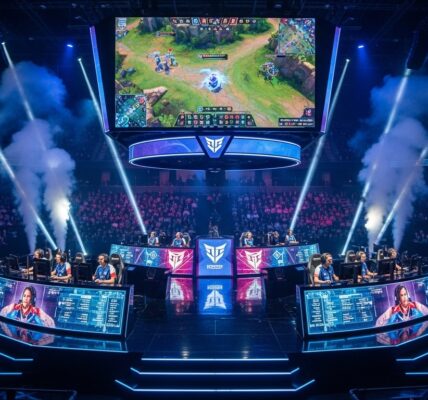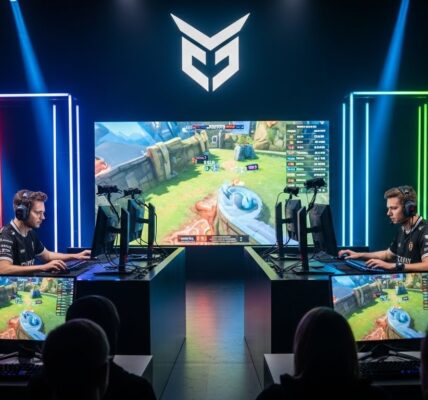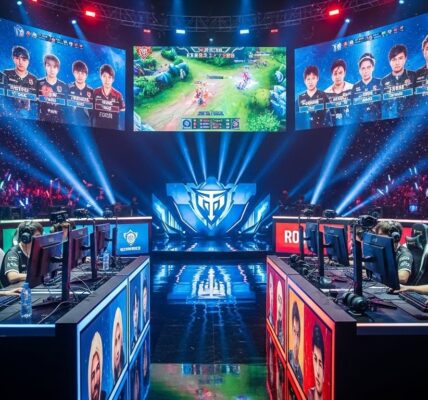
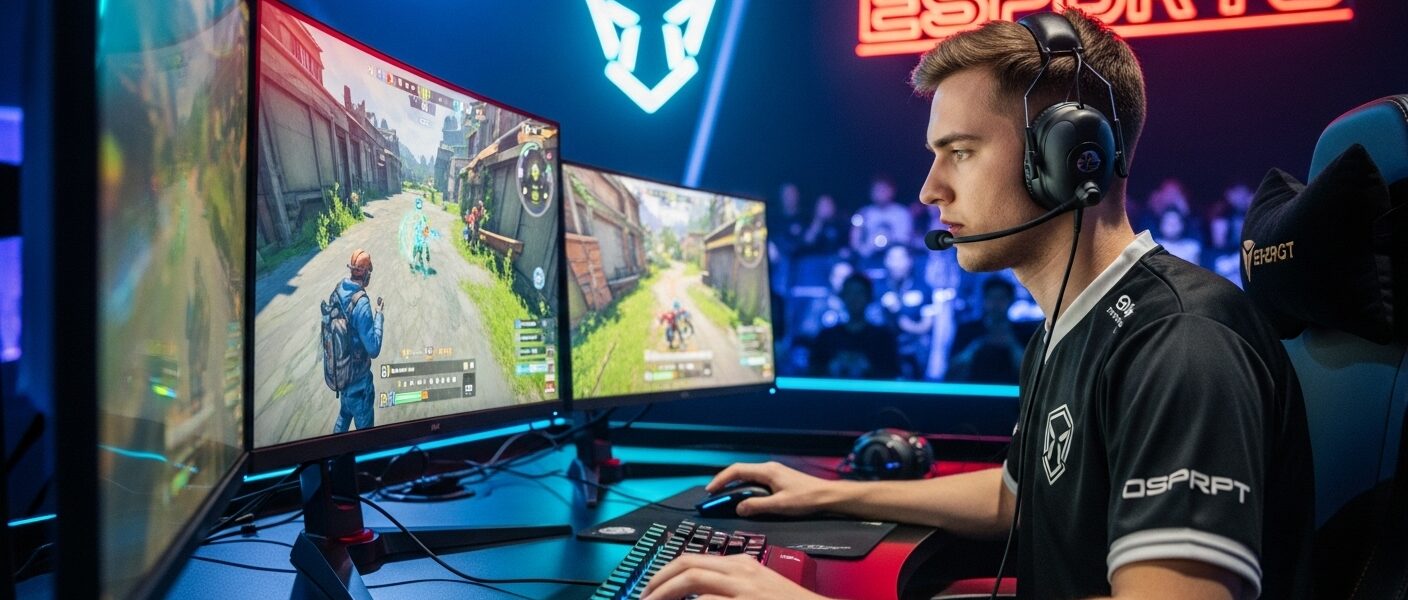

Esports has grown from a niche hobby into a global phenomenon, transforming the way we perceive gaming. Professional teams are no longer just groups of players—they are organizations, innovators, and cultural icons that influence the industry on multiple levels. From developing new strategies to inspiring fans worldwide, competitive esports teams have become the driving force behind the gaming revolution.
This article explores how esports teams are shaping the future of gaming, highlighting their strategies, training, cultural impact, and the ways they continue to push the boundaries of what gaming can achieve.
The Rise of Professional Esports Teams
Esports teams emerged in the late 1990s and early 2000s when competitive gaming began to move beyond LAN tournaments and into online leagues. Early teams were often small, informal groups, but as prize pools grew and sponsorships became available, the need for structured teams became clear.
Key Elements of Early Esports Teams:
- Collaboration: Team-based games like Counter-Strike and StarCraft required coordinated strategies.
- Skill Concentration: Players specialized in certain roles or characters to maximize team effectiveness.
- Community Influence: Early teams helped build fan communities, creating an ecosystem for competitive gaming.
Today, esports teams operate similarly to professional sports franchises, complete with coaching staff, analysts, marketing teams, and sponsorship agreements.
Training Regimens of Top Esports Teams
Professional esports teams are known for their rigorous training schedules, often spending 8–12 hours a day practicing and analyzing gameplay. Unlike casual gaming, professional training is highly structured and goal-oriented.
Components of Professional Training:
- Mechanical Skill Practice: Drills to enhance accuracy, reaction time, and precision in gameplay.
- Strategy Development: Studying maps, opponents, and evolving game metas to create winning plans.
- Team Coordination: Communication exercises, role assignments, and synchronized strategies are critical.
- Mental Conditioning: Techniques such as meditation, visualization, and stress management improve focus and resilience.
This level of discipline ensures that teams remain competitive at the highest levels, whether in regional leagues or international tournaments.
Innovative Strategies and Playstyles
Competitive esports teams are constantly innovating, finding new ways to gain an edge over opponents. These strategies often influence gameplay across the entire community.
Examples of Strategic Innovation:
- Role Flexibility: Teams experiment with unconventional role assignments to surprise opponents.
- Meta Manipulation: Understanding and exploiting the current meta allows teams to create unique tactics.
- Adaptive Gameplay: Top teams adjust strategies in real-time based on opponent behavior.
- Data-Driven Decisions: Analysts provide insights using in-game statistics and performance metrics.
These innovations not only secure victories but also shape the evolution of the games themselves, as developers often respond to high-level strategies with balance changes.
The Cultural Impact of Esports Teams
Esports teams have influence beyond tournaments and prize money—they shape gaming culture globally. Their branding, content, and personalities resonate with millions of fans.
Cultural Contributions:
- Content Creation: Teams produce videos, streams, and tutorials, engaging fans and sharing knowledge.
- Merchandise and Branding: Apparel, collectibles, and in-game cosmetics strengthen fan loyalty.
- Community Building: Fans interact through forums, social media, and live events, fostering a shared gaming culture.
- Influence on Game Development: Teams often provide feedback to developers, helping shape updates and future releases.
By connecting with fans, teams build lasting communities that extend the impact of gaming beyond competitive play.
Top Esports Teams Shaping the Industry
Several esports teams have set benchmarks for performance, strategy, and fan engagement:
Team Liquid: Known for dominating multiple games, Team Liquid emphasizes training, innovation, and global reach.
Fnatic: A pioneering European organization, Fnatic has influenced the development of competitive ecosystems for games like League of Legends and CS:GO.
T1: Based in South Korea, T1 is synonymous with excellence in League of Legends, blending technical skill with strategic depth.
G2 Esports: Renowned for creative strategies and high entertainment value, G2 balances competitive success with fan engagement.
These teams exemplify the synergy between skill, culture, and business acumen in esports.
The Role of Analytics and Technology
Modern esports teams leverage technology to gain a competitive edge. Analytics, machine learning, and advanced software tools play a key role in enhancing performance.
Applications of Technology:
- Performance Metrics: Tracking accuracy, reaction time, and win rates informs training improvements.
- Replay Analysis: Reviewing matches helps identify patterns and areas for improvement.
- AI and Strategy Simulation: Simulating opponents’ strategies allows teams to prepare for various scenarios.
- Streaming and Fan Engagement: High-quality production tools enhance the viewing experience and community interaction.
Technology ensures that esports teams remain at the forefront of both performance and entertainment.
Global Expansion and Influence
Esports teams are no longer limited to their home regions—they operate on a global scale. International tournaments, cross-regional leagues, and worldwide streaming platforms have created a truly interconnected ecosystem.
Global Impact Includes:
- Talent Mobility: Players from one region join teams in another, spreading strategies and playstyles.
- International Fanbases: Teams cultivate followers from around the world, increasing visibility and revenue.
- Cultural Exchange: Diverse teams bring unique approaches to games, enriching competitive diversity.
- Sponsorship Opportunities: Global recognition attracts partnerships with international brands, fueling growth.
The global nature of esports teams amplifies their influence, both competitively and culturally.
Challenges Faced by Competitive Esports Teams
Despite growth, esports teams encounter challenges that require careful management:
- Player Burnout: Intensive schedules can lead to physical and mental fatigue.
- Maintaining Performance Consistency: High-level competition demands constant improvement.
- Financial Stability: Sponsorships and tournament winnings fluctuate, requiring strategic business planning.
- Cultural and Regional Differences: International teams must navigate language barriers, time zones, and team dynamics.
Addressing these challenges is essential to maintain longevity and success in the competitive esports landscape.
The Future of Esports Teams
The future of esports teams looks bright, with continued growth, professionalization, and mainstream acceptance. Several trends indicate the evolving landscape:
- Mobile Esports Expansion: Increasing mobile gaming popularity will create new competitive opportunities.
- Virtual and Augmented Reality Integration: VR and AR may redefine gameplay, fan interaction, and streaming experiences.
- Expanded Training Facilities: Teams will continue to invest in dedicated esports academies and infrastructure.
- Enhanced Fan Experiences: Interactive platforms and social media integration will deepen community engagement.
As esports continues to grow, teams will play a pivotal role in shaping both competitive play and the cultural identity of gaming.
Conclusion
Competitive esports teams are not just participants in tournaments—they are innovators, community builders, and cultural influencers. Through strategic training, technological integration, and fan engagement, these teams have transformed gaming into a global phenomenon.
Teams like Team Liquid, Fnatic, T1, and G2 demonstrate that success in esports is about more than skill; it is about leadership, vision, and the ability to inspire a community. As the industry evolves, competitive teams will continue to push boundaries, influence game development, and redefine what it means to be a professional gamer.
The story of esports is a story of teamwork, innovation, and cultural impact, proving that gaming is now a force to be reckoned with on the global stage.