
Introduction: The Dawn of a New Sporting Era
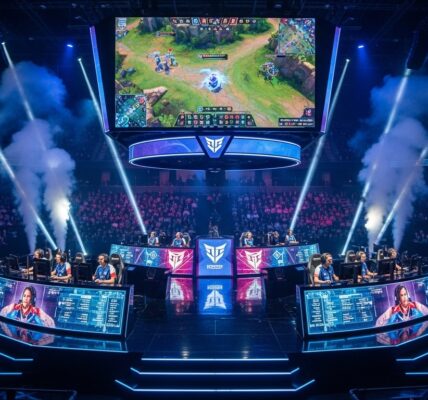
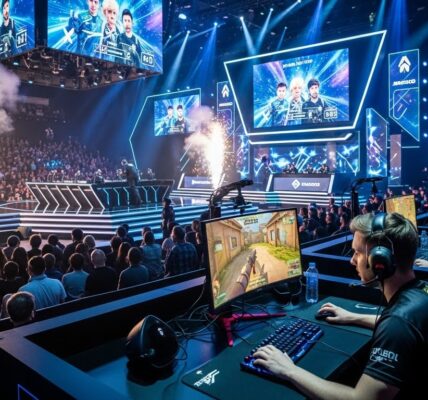
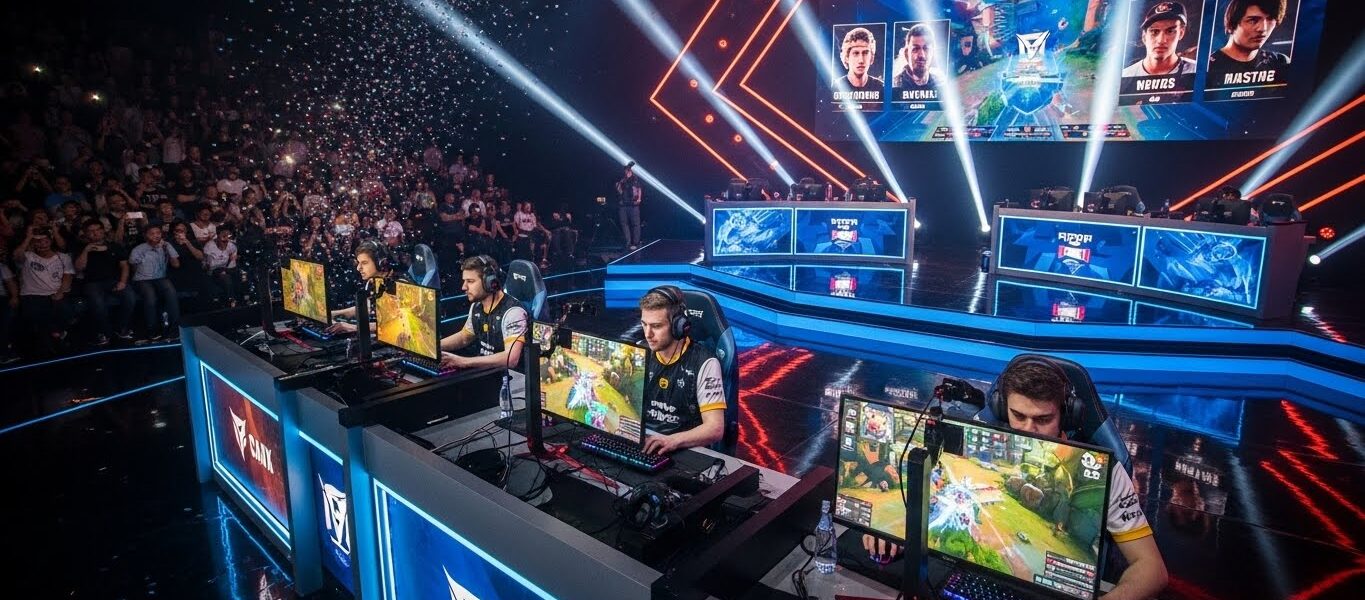
Esports has emerged as one of the most transformative phenomena in modern entertainment. Once considered a niche hobby for dedicated gamers, competitive gaming has grown into a global industry attracting millions of viewers, professional players, and massive corporate investments. From small LAN parties to stadium-filled international tournaments, esports is redefining what it means to compete and entertain in the 21st century. Its growth reflects the convergence of technology, culture, and human ambition, highlighting how digital platforms can foster competition and community simultaneously.
The Early Days of Esports
The roots of esports trace back to the late 1970s and 1980s when early video game competitions began to emerge. Universities and local arcades hosted tournaments for titles like Space Invaders and Pong, creating small but enthusiastic communities of competitive players. The 1990s brought LAN (Local Area Network) gaming and early multiplayer games such as StarCraft and Doom, which emphasized strategy, teamwork, and skill. These developments marked the beginning of organized competitive gaming, laying the foundation for the esports industry we see today.
Technology as the Driving Force
The rise of esports is inseparable from technological advancement. High-speed internet, powerful gaming hardware, and sophisticated game engines have transformed casual play into professional competition. Developers now design games with competitive balance in mind, ensuring fairness and enhancing the spectator experience.
Streaming platforms have been pivotal in expanding esports’ reach. Fans can watch live tournaments from anywhere in the world, creating global audiences and vibrant fan communities. Mobile technology has further broadened participation, enabling competitive gaming beyond PCs and consoles. Technology has not only enabled esports to thrive but also redefined how audiences consume sports entertainment in the digital age.
Popular Esports Genres
Esports encompasses a wide array of game genres, each requiring unique skills, strategies, and teamwork.
Multiplayer Online Battle Arena (MOBA) Games
MOBA games, including League of Legends and Dota 2, emphasize strategy, coordination, and communication. Teams must adapt to dynamic situations, balance objectives, and execute precise tactics to secure victory.
First-Person Shooters (FPS)
FPS titles like Counter-Strike: Global Offensive and Call of Duty challenge players’ reflexes, precision, and tactical awareness. These fast-paced games demand practice, quick thinking, and the ability to perform under pressure.
Battle Royale Games
Battle royale games, such as Fortnite and PUBG, combine survival, exploration, and combat. Players must manage resources, anticipate opponents’ actions, and remain adaptable, creating suspenseful and unpredictable matches.
Sports Simulation and Racing Games
Games like FIFA, NBA 2K, and Formula 1 simulators recreate real-world sports and racing experiences. These titles attract traditional sports fans and emphasize strategy, timing, and skill mastery.
Fighting Games
Fighting games, including Street Fighter and Tekken, require precision, timing, and mastery of individual characters. These games highlight personal skill and reflexes, often resulting in intense one-on-one competition.
Esports as a Professional Career
Esports has evolved into a viable career path for players, coaches, analysts, and content creators. Professional gamers often dedicate hours daily to training, strategy review, and team coordination. Many are contracted by esports organizations that provide salaries, coaching, and sponsorship opportunities.
Beyond players, careers in broadcasting, event management, and digital content creation have emerged. Commentators, analysts, and production teams enhance viewer experiences, making esports a multifaceted industry with diverse employment opportunities. The professionalization of esports mirrors traditional sports structures, creating sustainable pathways for talented individuals.
Community and Fan Engagement
Community is at the heart of esports. Online forums, social media, and live chat features allow fans to interact with players, share strategies, and discuss matches. This sense of engagement fosters loyalty and strengthens the connection between teams and audiences.
Grassroots tournaments and amateur leagues are essential for talent discovery. They provide opportunities for aspiring players to gain exposure, develop skills, and advance to professional levels. The support and passion of the community fuel esports growth, ensuring its continued relevance and innovation.
Global Reach and Cultural Impact
Esports is a global phenomenon, with players and audiences spanning continents. International tournaments bring diverse cultures together, creating a unique environment for cross-cultural exchange. Unlike traditional sports, esports is inclusive, allowing anyone with access to a game and stable internet to compete. This accessibility has expanded participation and fan engagement, making esports a truly global cultural force.
Esports also influences popular culture. Iconic players become celebrities, inspiring fashion, music, and entertainment trends. The industry challenges traditional ideas of athleticism and competition, redefining what it means to achieve success in a digital world.
Cognitive and Educational Benefits
Competitive gaming offers cognitive benefits beyond entertainment. Esports develops strategic thinking, problem-solving, communication, and decision-making skills. Players must analyze opponents, adapt tactics, and perform under high-pressure situations, honing abilities that translate to real-world applications.
Many educational institutions now recognize esports’ value. Scholarships, collegiate leagues, and structured programs provide students with opportunities to develop skills while pursuing academics. Esports encourages discipline, teamwork, and technological literacy, preparing participants for careers in gaming, technology, and beyond.
Economic Significance of Esports
The esports industry is a major economic driver. Revenue streams include sponsorships, advertising, media rights, merchandise, and ticket sales. Global tournaments attract thousands of spectators, generate tourism revenue, and support related industries such as media production, technology, and marketing.
Even smaller-scale events and community leagues contribute economically by supporting local businesses and providing employment opportunities. Esports has created an entirely new ecosystem, illustrating how digital competition can translate into real-world economic impact.
Challenges Facing the Industry
Despite its rapid growth, esports faces challenges. Player health and well-being are critical concerns, as intense training and competition can lead to burnout, stress, and physical strain. Maintaining fair competition requires robust anti-cheat measures and ethical governance.
Regulatory differences across countries create inconsistencies in contracts, age restrictions, and tournament rules. Sustainability and monetization also pose challenges for smaller organizations and emerging players. Addressing these issues is essential for ensuring the long-term integrity and success of the industry.
The Future of Esports
The future of esports is promising, with technological innovation driving growth. Virtual reality competitions, advanced AI training tools, and cloud gaming will expand access and engagement. Cross-platform play allows players from different devices to compete, enhancing inclusivity.
Esports may also integrate further with traditional sports and entertainment industries, leading to hybrid experiences that combine physical and digital competition. Personalized viewing experiences, immersive storytelling, and interactive features will redefine fan engagement, ensuring esports remains relevant for years to come.
Conclusion: Esports as a Cultural and Digital Powerhouse
Esports has transformed from casual gaming into a global cultural, economic, and technological phenomenon. It combines skill, strategy, and entertainment, engaging millions of players and spectators worldwide. The industry provides career opportunities, cognitive benefits, and community building, solidifying its place as a central component of modern entertainment.
As technology continues to evolve, esports will become even more immersive, inclusive, and competitive. It bridges cultures, inspires creativity, and challenges traditional notions of sport, demonstrating that competition is not limited to physical arenas. Esports is more than a game—it is a dynamic, cultural, and digital powerhouse shaping the future of human competition.