
Introduction
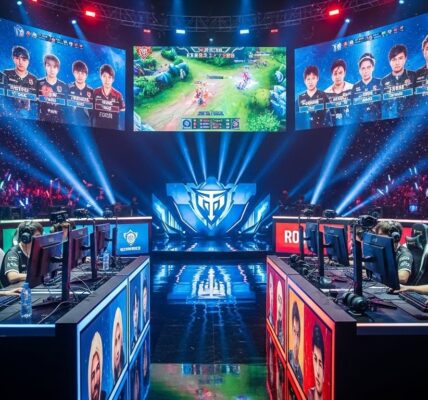
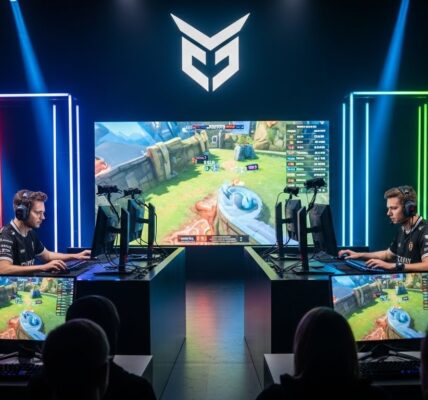
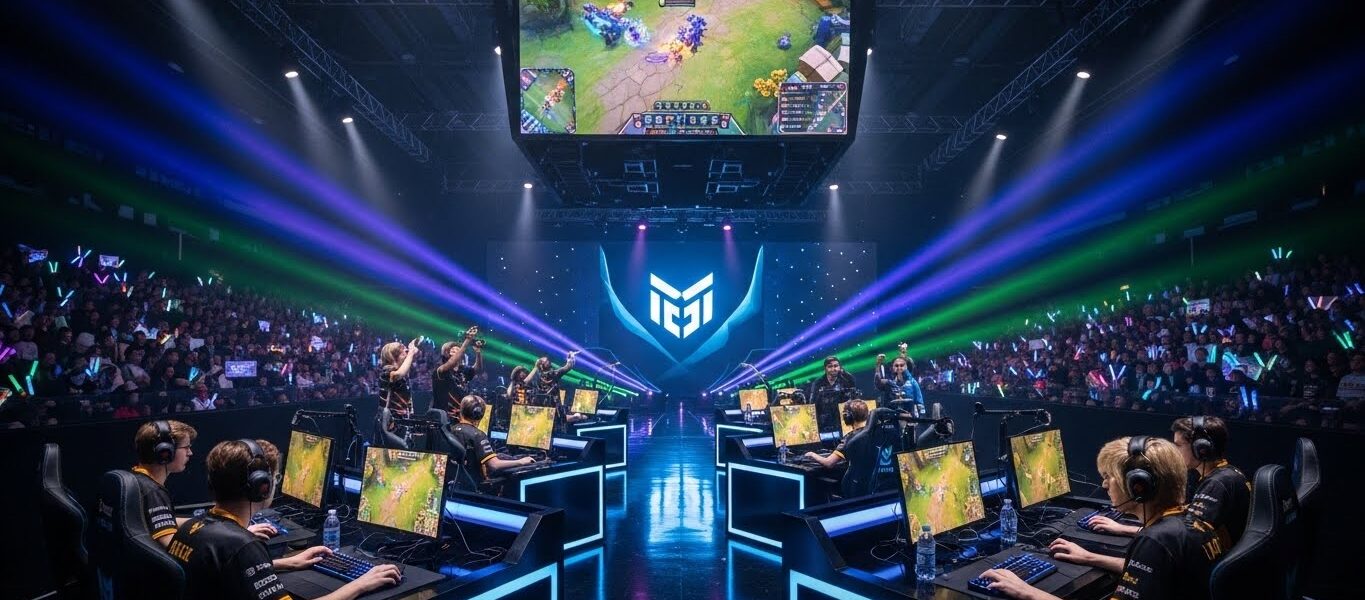
In the last two decades, esports has evolved from a niche hobby to a global phenomenon that rivals traditional sports in popularity, professionalism, and influence. What started as casual gaming among friends has grown into a multi-billion-dollar industry with professional leagues, international tournaments, and millions of viewers worldwide. Esports is more than entertainment; it is a platform where strategy, reflexes, teamwork, and mental endurance converge. It challenges the conventional understanding of sports, proving that competition in the digital realm can be just as intense and rewarding as physical competition. In this blog, we explore the growth of esports, the skills it develops, its global impact, and its future in a digitally connected world.
The Evolution of Esports
The origins of esports can be traced back to the 1970s and 1980s when arcade games and early consoles became popular. Initial competitions were informal, often held in arcades or community centers, with games like Pac-Man and Space Invaders serving as early competitive platforms. As gaming technology advanced, multiplayer games like Street Fighter and StarCraft enabled players to compete on a larger scale. The rise of the internet in the late 1990s allowed players from different regions to challenge one another in real-time, paving the way for organized tournaments and professional leagues. By the early 2000s, esports had begun to establish itself as a legitimate field, with sponsorships, media coverage, and dedicated fan bases. Today, esports encompasses a wide range of games, from strategy-based titles to first-person shooters and battle royales, reflecting its diverse and ever-evolving nature.
Global Reach and Cultural Impact
Esports has achieved unparalleled global reach, uniting players and fans across continents. International tournaments, such as world championships for League of Legends or Dota 2, attract millions of viewers from different cultural and geographic backgrounds. Esports fosters cultural exchange, as players and fans share strategies, experiences, and stories. The accessibility of esports allows individuals from remote areas to participate and compete, leveling the playing field in ways traditional sports cannot. Beyond competition, esports has become a cultural movement, influencing fashion, entertainment, media, and even language. The rise of streaming platforms and content creators has transformed esports into a lifestyle embraced by millions, making it a cultural force that extends far beyond the screen.
Skills and Discipline in Esports
Professional esports players demonstrate a unique blend of skills that rival traditional athletes. Precision, hand-eye coordination, and reflexes are crucial, but equally important are strategic thinking, adaptability, and decision-making under pressure. Team-based games require communication, leadership, and collaboration, while individual games focus on personal discipline, focus, and resilience. Training for esports is rigorous, often involving structured practice schedules, performance analysis, and mental conditioning. Players must maintain a high level of dedication, focus, and mental endurance to excel at competitive levels. These skills are transferable beyond gaming, helping players develop problem-solving abilities, teamwork, and resilience applicable in education and professional life.
Esports as a Career
The professionalization of esports has created multiple career opportunities, both on and off the screen. Players can earn substantial income through tournament winnings, sponsorships, streaming, and content creation. Behind the scenes, coaches, analysts, event organizers, commentators, and marketers play a crucial role in sustaining the industry. Game developers, hardware manufacturers, and media companies also contribute to esports’ economic ecosystem. Pursuing esports as a career requires dedication, consistency, and strategic thinking, but it offers immense potential for growth and recognition. For young gamers, esports is no longer a pastime but a legitimate and rewarding career path that combines passion with professionalism.
Psychological and Cognitive Benefits
Esports offers significant cognitive and psychological benefits when approached responsibly. Competitive gaming enhances critical thinking, memory, and multitasking abilities. Players must anticipate opponents’ moves, adapt strategies, and solve complex problems in real-time, fostering mental agility. Team-based games promote communication, collaboration, and conflict resolution skills. Additionally, esports provides a healthy outlet for stress, building emotional resilience and focus. Studies suggest that strategic gaming can improve concentration, decision-making speed, and problem-solving skills, demonstrating that esports is more than entertainment—it is a tool for cognitive development and personal growth.
Technology and Innovation Driving Esports
Technology is the backbone of esports. High-performance computers, advanced gaming peripherals, fast internet connections, and sophisticated software are essential for competitive play. Streaming platforms allow fans to watch live tournaments, interact with players, and learn strategies, creating a global spectator culture. Analytics tools help teams assess performance, optimize strategies, and train more effectively. Emerging technologies such as virtual reality and augmented reality are poised to revolutionize esports, offering immersive experiences for players and viewers alike. The integration of technology ensures that esports remains dynamic, innovative, and constantly evolving, providing new ways for audiences to engage with digital competition.
Esports Communities and Culture
Esports is as much about community as it is about competition. Fans and players interact through social media, forums, and live streams, building vibrant communities around games and teams. Esports culture includes fan art, cosplay, merchandise, and social events that celebrate shared passion. Influencers and professional players often serve as role models, inspiring younger audiences to pursue gaming responsibly and strategically. The communal aspect of esports fosters collaboration, creativity, and a sense of belonging, making it more than a game—it is a lifestyle that connects millions of people worldwide through shared interests and experiences.
Challenges in Esports
Despite its rapid growth, esports faces several challenges. Extended hours of gaming can lead to physical health issues, such as eye strain, repetitive stress injuries, and fatigue. Mental health challenges, including burnout and stress, are prevalent among professional players due to the high-pressure nature of competition. Gender disparity and accessibility issues also remain concerns, as the industry works toward inclusivity and equal opportunity. Additionally, regulatory frameworks and ethical guidelines are still evolving to ensure fair play and protect participants. Addressing these challenges is critical for creating a sustainable, safe, and equitable esports ecosystem that supports players, fans, and the broader industry.
Esports in Education
Educational institutions have begun recognizing the potential of esports for teaching skills and promoting engagement. Schools and universities offer esports scholarships, organized competitions, and programs focused on game design, strategy, and digital literacy. Participating in esports teaches teamwork, communication, leadership, and problem-solving, skills that are valuable in both academic and professional contexts. Integrating esports into education validates its legitimacy, encourages responsible gaming habits, and equips students with skills relevant to the digital age. This integration reflects a growing acceptance of esports as a meaningful and constructive pursuit.
The Future of Esports
The future of esports is poised for continued expansion and innovation. Emerging technologies, mobile gaming, cross-platform competitions, and virtual reality tournaments will reshape how players compete and audiences engage. As esports becomes more mainstream, investments in infrastructure, sponsorship, and media coverage will increase, further professionalizing the industry. Sustainability, inclusivity, and mental health support will be key considerations to ensure long-term growth. Esports will continue to redefine digital entertainment, bridging the gap between competition, community, and culture, and solidifying its position as a major force in the global landscape.
Conclusion
Esports is more than a digital pastime; it is a revolution in competition, entertainment, and culture. From early arcade competitions to massive international tournaments, esports has demonstrated that skill, strategy, and teamwork can thrive in the digital realm. It cultivates cognitive abilities, emotional resilience, and social connections while creating professional opportunities and vibrant communities. Challenges exist, but the industry’s innovation, global appeal, and dedication to growth ensure its continued rise. Esports stands as a testament to the evolving nature of competition, proving that the virtual battlefield can be as thrilling, demanding, and transformative as any traditional sport. For players and fans, esports offers a platform to excel, connect, and inspire, shaping the future of entertainment and competition in unprecedented ways.