

The Rise of Esports
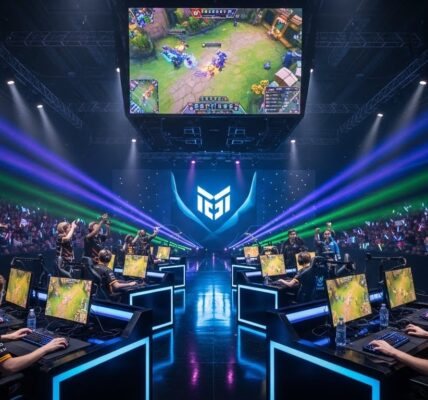
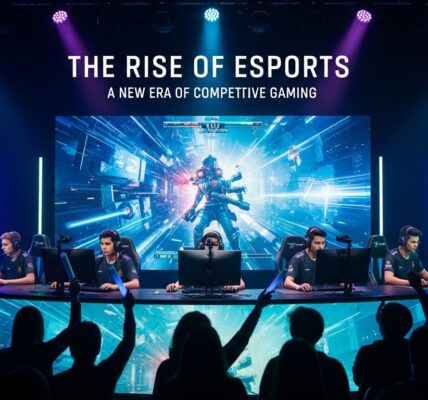
Esports, or competitive gaming, has grown from a niche hobby into a global phenomenon. What once started as casual gaming among friends has evolved into a professional industry with millions of fans worldwide. Today, esports tournaments fill arenas, attract massive online audiences, and offer substantial prize pools, making competitive gaming a legitimate and highly respected form of entertainment.
Professional Gaming as a Career
Modern esports players train rigorously, much like traditional athletes. They dedicate hours daily to improving skills, studying strategies, and coordinating with teammates. Professional organizations provide coaching, sponsorships, and support to help players reach their peak performance. This level of professionalism has transformed gaming into a viable career path, offering fame, income, and recognition for talented individuals around the world.
Popular Esports Games
Esports spans a variety of game genres, each with its own challenges and appeal. Multiplayer online battle arenas (MOBAs) like League of Legends and Dota 2 emphasize teamwork and strategic planning. First-person shooters (FPS) such as Counter-Strike and Valorant focus on reflexes and precision. Sports simulations like FIFA and NBA 2K bring virtual versions of real-world sports to competitive play. This diversity ensures that esports attracts a wide range of players and fans.
Social and Community Impact
Esports has created vibrant global communities. Live streaming platforms allow fans to watch matches, learn from top players, and engage with their favorite teams. Online communities foster interaction, collaboration, and friendly competition. Esports tournaments also bring people together in shared experiences, strengthening social bonds and building a culture that values skill, dedication, and teamwork.
Cognitive and Skill Benefits
Competitive gaming develops more than just hand-eye coordination. Esports players enhance critical thinking, problem-solving, communication, and strategic planning. Fast-paced games improve reflexes and adaptability, while team-based games cultivate leadership and collaboration. These skills can translate to real-life scenarios, demonstrating that esports contributes to cognitive and social growth.
The Economics of Esports
Esports is a multi-billion-dollar industry. Revenue comes from sponsorships, advertising, merchandising, and tournament prize pools. Organizations invest in teams, facilities, and marketing to expand their reach. Professional leagues and international competitions create significant economic impact, providing jobs and opportunities in gaming, content creation, event management, and media.
Challenges in Esports
Despite its growth, esports faces challenges. Players may experience mental and physical strain due to long practice hours. Online platforms must manage issues like cheating, toxicity, and fair play. Promoting responsible gaming and player well-being is essential for sustaining the industry and maintaining a positive competitive environment.
The Future of Esports
The future of esports is bright and full of potential. Virtual reality, augmented reality, and artificial intelligence are making games more immersive and interactive. Global audiences continue to grow, and esports is gaining recognition alongside traditional sports. As technology evolves, esports will expand its reach, influence, and cultural impact even further.
Conclusion
Esports is more than just playing video games—it is a professional, cultural, and social movement. It combines skill, strategy, and entertainment to create thrilling experiences for players and fans alike. As the industry continues to evolve, esports will shape the future of competition, providing opportunities, excitement, and innovation for millions worldwide.