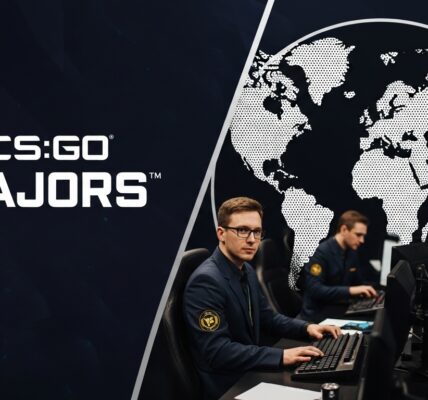


The digital age has given birth to a new era of entertainment, and esports stands at the forefront of this revolution. What started as a niche interest among gamers has transformed into a global phenomenon that attracts millions of viewers, generates billions of dollars, and creates countless career opportunities. Whether you’re an avid gamer, a casual viewer, or someone unfamiliar with competitive gaming, it’s clear that esports is a force to be reckoned with in the world of entertainment. In this blog post, we’ll dive deep into the world of esports, exploring its rise to prominence, its impact on the gaming community, and what the future holds for this exciting industry.
What is Esports?
Esports, short for electronic sports, refers to competitive gaming where individuals or teams play video games in organized tournaments. These tournaments can take place online or in physical arenas, with the best players in the world vying for cash prizes, sponsorships, and global recognition. Unlike casual gaming, esports involves a high level of skill, teamwork, strategy, and dedication, with players often training for years to compete at the highest level.
Esports spans a variety of video games, ranging from first-person shooters like Call of Duty and Counter-Strike: Global Offensive, to real-time strategy games like StarCraft II, multiplayer online battle arena (MOBA) games such as League of Legends and Dota 2, and battle royales like Fortnite and PUBG. Each of these genres has its own competitive scene, attracting both players and fans from all corners of the world.
A Brief History of Esports
The history of esports dates back to the early days of video gaming, but its real evolution began in the 1990s. The first notable esports event took place in 1997 with the launch of the Red Annihilation tournament for Quake, which was one of the first games to feature competitive multiplayer modes. The prize for the event was a Ferrari, which helped set the tone for high-stakes esports competitions.
In the early 2000s, games like Warcraft III and StarCraft took center stage, particularly in South Korea, where esports truly began to gain mainstream attention. South Korea’s government and telecommunications companies supported esports through initiatives such as the creation of dedicated gaming channels and massive events like the World Cyber Games and Electronic Sports World Cup. These tournaments attracted huge audiences, and players from Korea became some of the first esports superstars.
The mid-2000s to 2010s saw the rise of online streaming platforms such as Twitch, which allowed gamers to broadcast their gameplay to a global audience. Games like League of Legends, Dota 2, and Counter-Strike: Global Offensive dominated the esports scene, attracting millions of viewers and offering multi-million dollar prize pools. Esports was no longer just a hobby—it was becoming a legitimate industry.
The Growth of Esports
Over the last decade, esports has experienced exponential growth, and its reach has expanded beyond traditional gaming circles. According to industry reports, the global esports market is expected to surpass $1.8 billion in 2023, with major sources of revenue coming from sponsorships, advertising, media rights, and merchandise sales. This is a far cry from the humble beginnings of esports, and it reflects the growing mainstream appeal of competitive gaming.
Several key factors have contributed to the rapid growth of esports. One of the primary drivers is the increased accessibility of gaming hardware. Personal computers, gaming consoles, and smartphones have become more affordable and widely available, allowing people from different economic backgrounds to participate in competitive gaming. Additionally, the rise of high-speed internet and online gaming platforms has made it easier for players to connect with each other and participate in global tournaments.
Streaming platforms, particularly Twitch, have also played a crucial role in the growth of esports. These platforms allow players to showcase their skills to a global audience, engage with fans, and earn revenue through ads, subscriptions, and donations. Top-tier players and teams have built massive followings, turning gaming into a full-time career for many.
Another important factor in esports’ rise is its increasing recognition by traditional sports organizations and media outlets. Major sports leagues such as the NBA, NFL, and European football clubs have invested in esports teams, and traditional sports broadcasters like ESPN have begun airing esports events. This crossover has helped esports reach a broader audience and gain legitimacy in the eyes of the mainstream public.
Esports as a Career Path
What once was considered a hobby has now become a viable career for many. Professional esports players can earn substantial incomes through tournament winnings, sponsorships, and streaming revenue. In fact, top esports players can earn millions of dollars annually, particularly in games with large prize pools such as Dota 2 and League of Legends. The Dota 2 International tournament, for example, regularly boasts prize pools of over $30 million, with the winning team taking home a substantial portion of that sum.
While the top players make headlines, esports also offers a wide range of career opportunities. Coaches, analysts, broadcasters, and content creators all contribute to the success of esports organizations. In fact, entire teams are built around specialized roles such as strategists, mental coaches, and performance analysts, all working together to help the team achieve victory.
Moreover, many esports professionals also earn money through sponsorships, brand deals, and personal streaming. Popular streamers can turn their gaming into a profitable career by attracting sponsorships from brands, earning revenue through subscription services, and monetizing their content through YouTube or Twitch. This has led to the rise of influencers and content creators who combine gaming with entertainment, creating an ecosystem that extends far beyond just the games themselves.
The Economic Impact of Esports
Esports is not just a source of income for players and teams; it has also had a significant impact on the global economy. As the esports industry grows, it creates a ripple effect across other sectors, from technology and media to tourism and hospitality. Local economies benefit from hosting large-scale esports events, as they attract thousands of visitors, boost tourism, and create jobs in the service industry.
Cities like Los Angeles, Berlin, and Shanghai have become major esports hubs, hosting events that generate millions in revenue. For example, League of Legends World Championships and The International (the Dota 2 tournament) have become some of the most-watched events in the world, filling arenas and creating a cultural event around competitive gaming. As a result, esports organizations and event organizers are investing in state-of-the-art arenas and esports facilities, contributing to job creation and economic growth.
Furthermore, brands and corporations see esports as a valuable marketing opportunity. Companies such as Coca-Cola, Intel, Nike, and Red Bull have become prominent sponsors of esports teams and events, seeing the potential to reach a younger, tech-savvy audience that is difficult to engage through traditional advertising methods. As a result, sponsorship deals in esports have become a major revenue stream, further fueling the growth of the industry.
Esports and Traditional Sports
As esports continues to gain recognition, it is beginning to intersect with traditional sports in unexpected ways. Many professional sports teams, including NFL franchises like the Dallas Cowboys and NBA teams such as the Golden State Warriors, have invested in esports, either by creating their own esports divisions or by sponsoring professional esports teams. These partnerships serve as a bridge between the two worlds, helping esports gain even more mainstream credibility.
Additionally, athletes from traditional sports have taken an interest in the esports space. Icons like Michael Jordan, David Beckham, and Shaquille O’Neal have invested in esports teams, seeing potential not just for financial gain, but for expanding their personal brands into the digital world. This crossover has sparked conversations about the similarities between traditional sports and esports, particularly when it comes to the level of skill, dedication, and teamwork required to excel in both.
The Future of Esports
The future of esports is incredibly promising. As technology continues to evolve, new innovations like virtual reality (VR) and augmented reality (AR) could take esports to the next level, offering immersive experiences that combine gaming and live events in entirely new ways. VR tournaments, for example, could place viewers in the action, allowing them to experience the intensity of a competitive match firsthand.
Moreover, the growing popularity of mobile gaming is likely to expand esports further. Games like PUBG Mobile and Clash Royale have gained massive followings, and mobile esports tournaments are on the rise. With the increasing affordability and accessibility of smartphones, mobile esports has the potential to bring competitive gaming to an even larger audience.
Another significant trend is the continued integration of esports into mainstream media. As television networks and streaming services continue to embrace esports, it’s likely that competitive gaming will become an even more common feature on our screens. This could pave the way for esports leagues to become as mainstream as traditional sports leagues, with regular broadcasts and even dedicated esports channels.
Conclusion
Esports is more than just a trend—it is a rapidly growing industry that is reshaping the way we think about gaming, entertainment, and competition. With its global reach, increasing financial success, and recognition from traditional sports organizations, esports is poised to become a permanent fixture in the entertainment landscape. Whether you’re a player, a fan, or someone just discovering the world of competitive gaming, one thing is certain: the future of esports is bright, and it’s only going to get bigger from here.