
Introduction: The Rise of a New Competitive Era
A decade ago, the idea that video games could rival traditional sports in popularity seemed unlikely. Today, esports has become one of the fastest-growing entertainment industries in the world. What began as small competitions among friends has evolved into massive global tournaments, professional teams, sponsorships, and millions of enthusiastic fans. Esports has redefined what competition means in the digital age and created a new arena where skill, strategy, and innovation meet.
This blog explores the evolution of esports, why it captivates millions, the technology powering it, its cultural and economic impact, and what the future holds for competitive gaming.
The Evolution of Esports
Esports did not emerge overnight. Its roots trace back to the early days of arcade competitions, where high scores were the ultimate bragging rights. As technology advanced, competitive gaming found new platforms, from early console battles to online tournaments.
The turning point came with the rise of high-speed internet and multiplayer online games. Players were no longer limited to competing with local friends; they could challenge opponents from around the world. Titles such as real-time strategy games, team-based shooters, and multiplayer battle arenas set the stage for modern esports.
Professional organizations, dedicated leagues, and official tournaments elevated esports into a structured industry. Today, esports tournaments fill stadiums, attract global audiences, and provide players with lucrative careers. What was once a hobby has evolved into a professional sport with coaches, analysts, and rigorous training schedules.
Why Esports Captivates Players and Audiences
Esports appeals to a wide audience for many reasons. One of the most compelling factors is accessibility. Anyone with a gaming device and internet connection can participate, practice, and even pursue a competitive career. Unlike traditional sports, which often require physical space or specialized equipment, esports allows players to compete from their homes.
Esports also thrives on variety. Competitive games span multiple genres, from fast-paced shooters to strategy-based battles, fantasy-themed role-playing challenges, and sports simulations. This diversity ensures that players and viewers with different preferences find something exciting to engage with.
Additionally, esports offers a sense of community. Fans gather online to watch matches, discuss strategies, and support their favorite teams. The interactive nature of live gaming events allows audiences to feel directly involved, creating an emotional connection similar to traditional sports.
For players, esports represents skill, dedication, and mastery. Every game requires fast thinking, precise coordination, and strategic planning. This competitive intensity is what transforms ordinary gaming into a high-level sport.
Technological Advancements Powering Esports
Technology plays a crucial role in the growth of esports. High-performance gaming hardware, advanced software, and reliable internet connectivity create an environment where competition thrives.
High-Performance Hardware
Modern esports depends on powerful computers, responsive monitors, and precision peripherals. These tools enable players to perform at the highest level, where even a split second can determine victory or defeat. Hardware manufacturers continually innovate to meet the demands of professional players, contributing to esports’ rapid development.
Streaming and Broadcasting Technology
Live streaming technology has transformed esports into a global spectacle. High-definition broadcasts allow fans from around the world to watch tournaments in real time. Players, commentators, and analysts interact with audiences, creating an immersive and engaging viewing experience.
Streaming has also empowered individual players to build their own brands. Professional gamers often stream their training sessions, interact with fans, and showcase their personalities, increasing their visibility and influence.
Online Multiplayer Infrastructure
The backbone of esports is reliable online multiplayer infrastructure. Fast servers, stable networks, and cross-platform capabilities ensure fair and competitive gameplay. Developers continue to innovate to minimize lag, improve matchmaking, and enhance the overall competitive environment.
The Culture and Community of Esports
Esports has become more than just competitive gaming; it has evolved into a vibrant cultural movement. Communities form around favorite games, teams, and players, creating a deep sense of belonging. Fans produce artwork, analyze strategies, and organize meetups, contributing to a thriving ecosystem of creativity and connection.
Esports communities also encourage collaboration and teamwork. Many competitive games require coordinated strategies and communication. As a result, players learn important real-world skills such as leadership, problem-solving, and working under pressure.
The culture of esports extends to education as well. Schools and universities now offer esports programs, scholarships, and competitive leagues. These initiatives promote learning, teamwork, and career development, demonstrating the broader societal impact of esports.
Professional Esports: Teams, Training, and Competition
Professional esports athletes follow rigorous training routines similar to those of traditional sports players. They practice for hours, analyze gameplay footage, and work closely with coaches and strategists.
Teams are structured organizations with managers, analysts, psychologists, and nutritionists who support player performance. Training facilities simulate competitive environments, providing players with the ideal conditions to improve their skills.
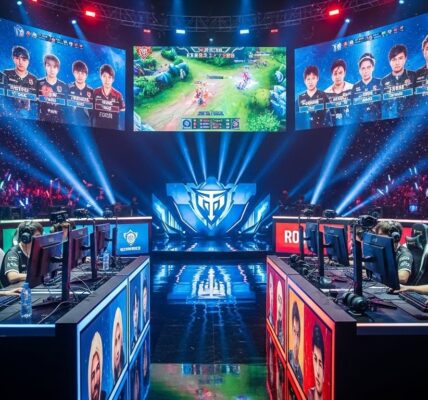
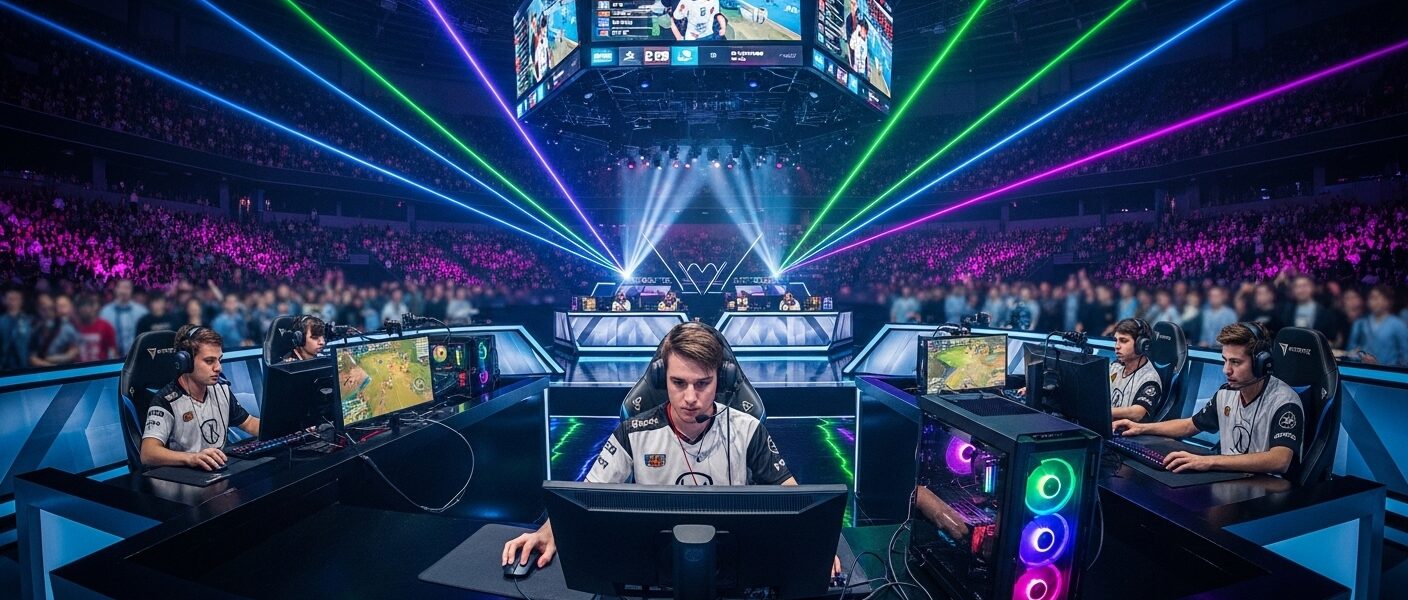
Esports tournaments bring the excitement of competition to a global audience. Fans fill arenas to watch players compete in high-stakes matches with significant prize pools. These events combine elements of sports, entertainment, and digital culture, making them spectacular to experience both in person and online.
Economic Impact of the Esports Industry
The esports industry generates billions in revenue from sponsorships, advertising, merchandising, ticket sales, and media rights. Corporations recognize the marketing potential of esports, partnering with teams and tournaments to reach digitally engaged audiences.
Professional players earn income through tournament winnings, salaries, brand partnerships, and streaming revenue. This financial ecosystem supports careers not only for players but for coaches, analysts, commentators, event managers, and technical specialists.
Esports also stimulates economic growth in related sectors, including gaming hardware, software development, live-event production, and digital marketing. With continued expansion, esports is poised to become one of the most influential industries in modern entertainment.
Esports and Education
Esports has found a place in academic institutions worldwide. Schools and universities are launching esports programs to support student athletes and promote teamwork, strategy, and discipline. These programs also open doors to careers in game design, technology, media, and business.
Scholarships for esports players highlight the growing legitimacy of competitive gaming as an academic and professional pathway. Students learn important skills such as communication, time management, and critical thinking, demonstrating that esports can contribute positively to education.
The Future of Esports
The future of esports is promising and full of potential. Advancements in virtual reality, augmented reality, and artificial intelligence will introduce new forms of competition and immersion. Enhanced broadcasting tools will make viewing experiences even more interactive and engaging.
The industry is expected to expand geographically as more regions invest in esports infrastructure. Youth engagement will continue to rise, driven by the growing popularity of competitive gaming and the accessibility of digital platforms.
As esports evolves, it will likely integrate more closely with other forms of entertainment. Crossovers with film, music, and digital media will create new opportunities for collaboration and growth. The future of esports will be shaped by innovation, creativity, and a global community of passionate players and fans.
Conclusion: A New Dawn for Competitive Entertainment
Esports has emerged as a powerful force in modern culture, transforming gaming into a respected and celebrated competitive field. It brings people together across continents, showcases remarkable talent, and creates opportunities for innovation and growth.
What began as small competitions has grown into a global phenomenon that blurs the line between digital and physical entertainment. As technology continues to evolve and more people embrace competitive gaming, esports will remain at the forefront of digital entertainment, shaping the future of competition and community.