
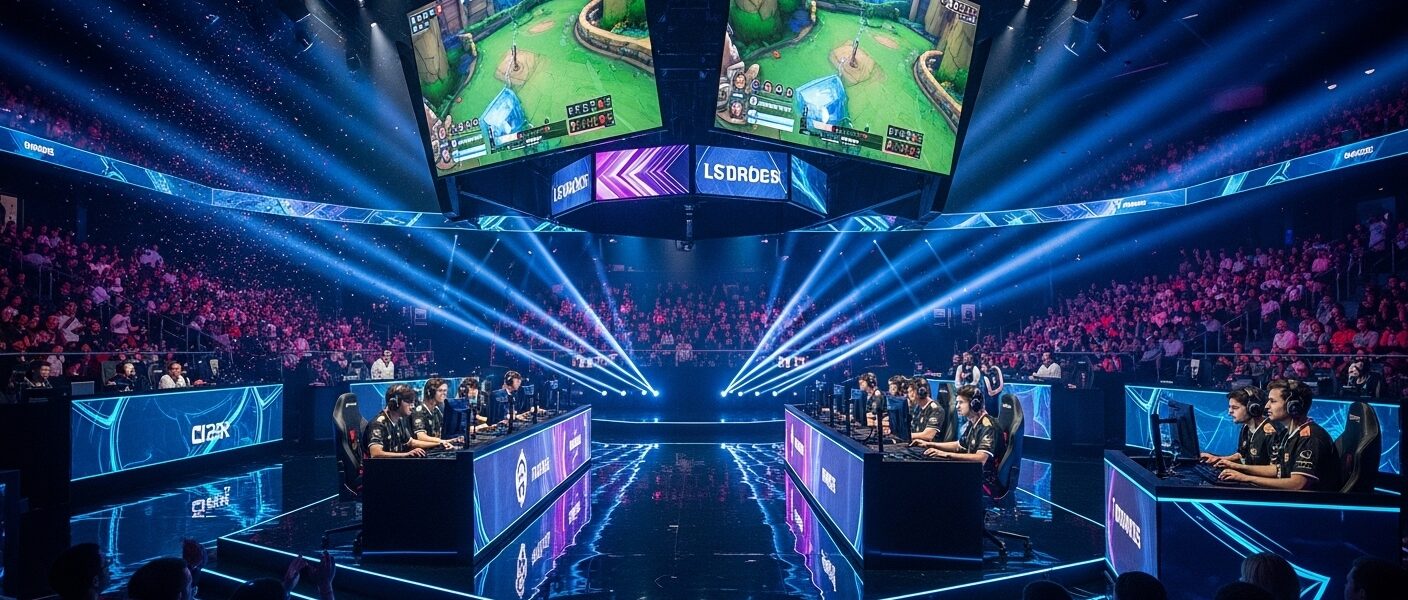

In the digital age, the world of sports has expanded far beyond traditional arenas. A new wave of competition has risen, captivating millions of viewers and participants alike. This new frontier is known as esports, a dynamic and rapidly growing industry that has transformed the gaming world into a globally recognized form of entertainment. Whether you’re a gamer, a fan, or someone curious about the phenomenon, esports offers something exciting and innovative for everyone.
The Evolution of Esports: From Hobby to Global Industry
Esports, at its core, is competitive video gaming, where players compete in organized tournaments, often in teams, for significant cash prizes and global recognition. While gaming has been around since the 1970s, the competitive side didn’t truly emerge until the 1990s when games like Street Fighter and Quake introduced multiplayer modes. However, the real transformation came with the rise of online gaming in the early 2000s. As the internet grew faster and more reliable, gamers were able to compete against one another across the globe.
In the years that followed, titles like League of Legends, Dota 2, and Counter-Strike: Global Offensive emerged as esports giants, attracting massive followings and professional players. These games set the stage for what would become a multi-billion-dollar industry, hosting massive international tournaments and establishing esports as a legitimate form of competitive entertainment.
Streaming Platforms: The Game Changer
The real game-changer for esports came with the rise of live-streaming platforms like Twitch and YouTube Gaming. These platforms allowed viewers to watch esports tournaments and casual streams from their favorite players in real-time, building an interactive and community-driven environment. It wasn’t just about watching; it was about engaging. Fans could interact with players, cheer on their favorite teams, and even learn tips and tricks by watching experts in action.
The accessibility of streaming played a significant role in esports’ rapid growth. With just an internet connection, anyone could tune into global competitions, bringing fans from different corners of the world together. In 2023, esports tournaments regularly attract millions of live viewers, rivaling traditional sports events in terms of audience engagement and viewership.
The Rise of Professional Leagues and Tournaments
Esports has evolved from a hobby into a professional sport, with organized leagues and tournaments taking center stage. Major games like League of Legends and Overwatch have established competitive leagues, offering players the chance to compete for hefty prize pools, sponsorships, and even salaries. For example, The International (Dota 2’s premier tournament) is known for its enormous prize pools, often exceeding tens of millions of dollars.
These tournaments have become massive spectacles, with live audiences filling arenas and millions more watching from their homes. The format is not unlike traditional sports leagues, with regular seasons leading to a grand final event. Teams often have sponsors, coaches, analysts, and even dedicated team houses where players train together to perfect their strategies and teamwork.
Esports as a Viable Career Path
One of the most significant developments in the esports industry is the increasing recognition of professional gaming as a legitimate career. In the past, video games were often seen as a pastime or hobby, but now, top-tier esports players earn salaries comparable to athletes in traditional sports. Prize money from tournaments, sponsorship deals, streaming revenue, and merchandise sales contribute to the income of professional players.
But it’s not just the players who benefit from this industry. Coaches, analysts, content creators, and event organizers are also part of the ecosystem, creating a wide range of career opportunities. In fact, many universities and colleges now offer scholarships for esports, allowing young players to pursue higher education while continuing to develop their gaming careers. This growing recognition of esports as a career path has helped solidify its place in the modern entertainment landscape.
The Role of Technology in Shaping Esports
Technology plays a crucial role in the development of esports. Faster internet speeds, more powerful gaming hardware, and improved software have enabled players to compete at the highest level and for spectators to enjoy an unparalleled viewing experience. High-definition broadcasts and advanced production techniques ensure that esports events are presented in a way that is both visually stunning and easy to follow for newcomers.
Furthermore, innovations like virtual reality (VR) and augmented reality (AR) could offer new possibilities for esports in the future. These technologies could provide players with even more immersive gaming experiences and allow fans to engage with tournaments in ways that were once unimaginable. The evolution of technology in gaming is not only reshaping how esports is played but also how it is consumed by the audience.
The Global Impact of Esports
What makes esports particularly compelling is its global nature. Unlike traditional sports, which often have a regional or national focus, esports connects people from all over the world. Players, teams, and fans from different continents come together to share a common passion. Major tournaments are broadcast in multiple languages, and the international aspect of esports creates a unique cultural exchange.
Esports has also become a driving force in the gaming industry, with game developers continuously working to improve their titles to support professional-level play. In addition, esports has paved the way for other forms of competitive gaming, such as mobile esports, where players use smartphones to compete in games like PUBG Mobile and Clash Royale. This accessibility has made esports even more widespread, with competitions popping up in regions that previously had little exposure to competitive gaming.
The Challenges Ahead for Esports
Despite its rapid growth, esports faces several challenges. One of the most pressing issues is player burnout. The intense training schedules, long hours of practice, and the pressure to perform can take a toll on players’ mental and physical health. Teams and organizations are starting to implement better wellness programs and mental health support, but player welfare remains an area of concern.
Another challenge is the lack of standardized governance across the industry. Different games and tournaments have different rules, regulations, and structures, which can make it difficult to ensure fairness and consistency. As the industry continues to grow, there is a push for more unified regulations and governance to protect players and improve the integrity of the sport.
The Future of Esports
The future of esports is incredibly bright. With technological advancements, an ever-growing fan base, and increasing recognition from mainstream media, esports is only set to become more integrated into global culture. As the industry matures, we may see more formalization in terms of governance, and the continued growth of college esports leagues could serve as a breeding ground for future professional talent.
The possibility of esports being included in major global sporting events, such as the Olympics, is also on the horizon. While this may still be a few years away, the idea of esports as a fully recognized sport is becoming increasingly likely as its influence continues to expand.
Conclusion
Esports has come a long way from its humble beginnings as a niche hobby. Today, it is a thriving, global industry that spans professional leagues, massive tournaments, and a dedicated fan base. With its explosive growth, technological advancements, and expanding career opportunities, esports is cementing its place as a major form of competitive entertainment. As the industry continues to evolve, it’s clear that esports is here to stay, and its future is brighter than ever.