
Introduction to the World of Esports
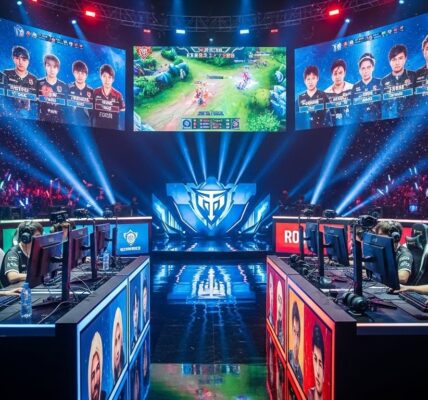
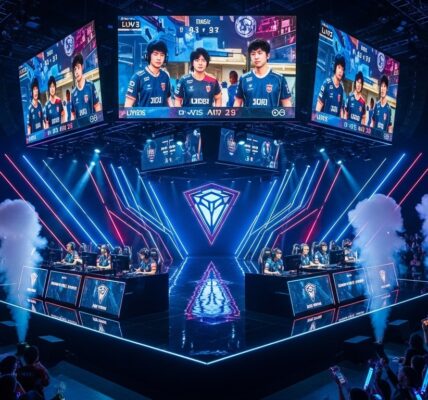
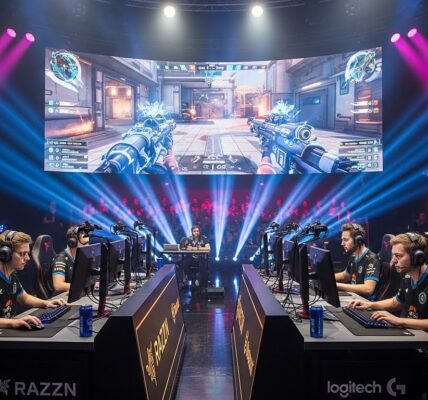
Esports, short for electronic sports, has become one of the fastest-growing entertainment industries in the world. Once dismissed as a simple hobby or pastime for teenagers, competitive gaming has transformed into a global phenomenon that attracts millions of viewers, generates billions in revenue, and offers professional opportunities to players, organizers, sponsors, and even educators. From crowded arenas filled with fans cheering for their favorite teams to millions watching live streams online, esports has solidified its place as a major part of modern culture.
The Early Beginnings of Competitive Gaming
The origins of esports can be traced back to the early days of video gaming in the 1970s and 1980s. The first known gaming competition took place at Stanford University in 1972, where students competed in the game “Spacewar.” Though it was a small event, it laid the foundation for what would become a worldwide phenomenon decades later.
By the 1980s, arcade games like Pac-Man, Donkey Kong, and Space Invaders gained massive popularity. In 1980, Atari hosted the Space Invaders Championship, which attracted more than 10,000 participants across the United States. This was a groundbreaking event, showing that video games could unite people through competitive play. The 1990s further expanded the scene as consoles like the Super Nintendo and Sega Genesis introduced multiplayer experiences at home.
The Internet and the Birth of Online Competition
The arrival of the internet in the mid-1990s changed gaming forever. Players were no longer limited to local competitions or playing with friends in person. Online multiplayer games created new opportunities for competition and community building. Titles like Doom, Quake, and StarCraft became early favorites for online matches.
StarCraft, in particular, revolutionized competitive gaming. South Korea embraced the game as a national pastime, with television stations broadcasting matches and professional players becoming celebrities. This South Korean model set the blueprint for the future of esports: structured leagues, sponsorships, fan engagement, and large-scale tournaments.
The 2000s: Esports Becomes Global
The 2000s marked the beginning of esports’ global expansion. The rise of broadband internet and powerful gaming PCs enabled players from around the world to compete at a higher level. Games like Counter-Strike, Warcraft III, and Dota became popular in different regions, each developing unique communities and strategies.
Major international tournaments began to appear, such as the World Cyber Games (WCG) and the Electronic Sports World Cup (ESWC). These events brought together the best players from various countries, creating a sense of global unity among gamers. The 2000s also saw the birth of professional teams and organizations that treated esports as a serious business. Players were given contracts, training schedules, and team coaches.
Streaming Platforms and the Esports Explosion
If the 2000s built the foundation of esports, the 2010s were the decade of explosion. The launch of streaming platforms such as Twitch changed everything. Suddenly, anyone could watch professional players from anywhere in the world, live and in real time. Streaming made esports accessible to the masses, breaking the barriers that traditional sports had faced.
Games like League of Legends, Dota 2, and Counter-Strike: Global Offensive became household names among gamers. Tournaments began to fill stadiums, and prize pools grew to millions of dollars. The 2013 Dota 2 International offered a prize pool exceeding 2 million dollars, which later skyrocketed to over 40 million in future editions.
League of Legends also became one of the most-watched esports titles, with its annual World Championship drawing millions of viewers and featuring production quality that rivaled traditional sports broadcasts.
The Role of Developers and Publishers
Game developers and publishers played a massive role in the success of esports. Companies like Riot Games, Valve, Blizzard, and Epic Games began to actively support the competitive scene of their games. This included funding tournaments, maintaining balanced gameplay, and creating long-term ecosystems to support both professional and amateur players.
Riot Games, for example, launched the League of Legends Championship Series (LCS), creating a structured seasonal format similar to traditional sports leagues. Valve’s Dota 2 introduced The International, a fan-funded tournament that showcased the power of community involvement. These decisions elevated esports from grassroots competitions to organized, global entertainment.
Esports as a Career Path
One of the most significant transformations in the esports world is the recognition of gaming as a legitimate career. Professional players, coaches, analysts, and commentators can now earn stable incomes through salaries, sponsorships, and streaming revenue. Beyond playing, careers in event organization, content creation, marketing, and broadcasting have become vital components of the ecosystem.
In countries like South Korea, China, and the United States, universities have begun offering scholarships and degree programs in esports management, game design, and digital media. Educational institutions have recognized that esports is not just a form of entertainment but also a new frontier in business, technology, and culture.
The Impact of Esports on Youth and Society
Esports has reshaped how young people interact with technology, competition, and creativity. It has provided a platform for individuals who might not have excelled in traditional sports to showcase their talents in a digital arena. Teamwork, strategic thinking, communication, and problem-solving are all essential skills in competitive gaming.
However, esports has also raised discussions about mental health, screen time, and work-life balance. The pressure to perform at a high level can lead to burnout among professional players. Many organizations have started to address these challenges by incorporating wellness programs and psychological support for their athletes.
Women in Esports
For a long time, esports was considered a male-dominated industry. However, women have been steadily making their mark in competitive gaming. Female gamers, streamers, and commentators are gaining recognition and respect across various titles. Inclusive tournaments and community-driven initiatives are helping to create more opportunities for women to participate and thrive in esports.
Representation is growing, and organizations are now promoting diversity as a key part of their development strategy. The goal is not just to have women present but to make sure they have equal access to the same professional opportunities as their male counterparts.
The Economic Power of Esports
Esports is not just about games; it is an industry worth billions of dollars. Revenue streams include sponsorships, media rights, merchandise, ticket sales, and advertising. Brands that once invested exclusively in traditional sports, such as car manufacturers, energy drink companies, and tech giants, now sponsor esports teams and tournaments.
Countries are also realizing the potential of esports as an economic driver. Governments in nations like South Korea, China, and even Saudi Arabia are investing heavily in esports infrastructure. Esports arenas, training centers, and gaming hubs are being built to support both local and international events.
Technology and Innovation in Esports
Technology lies at the heart of esports. Advances in hardware, graphics, and internet speeds have allowed for smoother and more immersive gaming experiences. Virtual reality, artificial intelligence, and cloud gaming are shaping the next generation of esports.
AI-powered coaching tools can now analyze player performance, offering data-driven feedback to improve strategy and decision-making. Virtual reality tournaments may soon allow players to compete in fully immersive environments. As 5G technology spreads, latency issues will become a thing of the past, enabling seamless global competition.
Esports and Traditional Sports: A New Rivalry or Partnership?
Traditional sports organizations have begun to take esports seriously. Major football clubs, basketball franchises, and even Formula 1 teams have launched their own esports divisions. These collaborations have blurred the line between digital and physical competition.
Esports shares many qualities with traditional sports: skill, teamwork, strategy, and fan engagement. Yet, it also brings something new — accessibility and inclusivity. Anyone with a computer or console can compete, making esports a truly global and democratic form of competition. Rather than competing with traditional sports, esports complements them by attracting younger audiences and expanding the definition of athleticism.
Challenges Faced by the Esports Industry
Despite its success, esports still faces several challenges. Player burnout, lack of regulation, and inconsistent tournament structures are some of the major issues. There are also concerns about cheating, match-fixing, and the exploitation of young players by organizations.
The industry is working to professionalize itself by implementing player contracts, codes of conduct, and governing bodies. Another challenge lies in maintaining the balance between entertainment and competition. Esports must continue to innovate while preserving its integrity as a sport.
The Future of Esports
Looking ahead, the future of esports seems brighter than ever. With technological innovation and growing mainstream acceptance, esports is expected to become an even bigger part of global entertainment. Experts predict that viewership will soon rival that of traditional sports leagues such as the NBA or Premier League.
Mobile gaming is also expanding the reach of esports. Titles like PUBG Mobile, Mobile Legends, and Free Fire have introduced millions of new players from developing countries. The accessibility of mobile devices has made competitive gaming possible for audiences that previously lacked high-end PCs or consoles.
Esports is also expected to play a key role in the metaverse — a digital space where users can interact, compete, and socialize. Virtual tournaments, digital collectibles, and immersive fan experiences could define the next phase of esports evolution.
The Cultural Influence of Esports
Esports has influenced pop culture, fashion, and media. Game-inspired music, apparel, and art have become common. Many esports players have become influencers with millions of followers, shaping trends and opinions beyond gaming.
Moreover, esports has fostered global communities that transcend language and geography. Fans from different countries unite over shared passions, cheering for their favorite teams and discussing strategies online. This cultural exchange has made esports not just entertainment but a form of global connection.
Conclusion: The Power of Play in a Digital World
Esports has evolved from a niche hobby into a global cultural movement. It represents the intersection of technology, creativity, and competition. What started as friends playing video games in their bedrooms has transformed into a billion-dollar industry that rivals traditional sports in popularity and influence.
The journey of esports mirrors the evolution of the digital age itself. It has empowered individuals, created new careers, and united communities across the world. As technology continues to advance and society becomes even more interconnected, esports will remain a powerful symbol of how play, passion, and innovation can shape the future.
In essence, esports is not just about gaming — it is about the spirit of competition, the pursuit of excellence, and the limitless potential of human creativity in the digital era. Its story is still being written, and its next chapter promises to be even more exciting than the last.