

In the past few decades, the world of competitive gaming has evolved from a niche hobby into a multi-billion-dollar industry, attracting millions of fans, players, sponsors, and investors. Esports—short for electronic sports—has not only become a legitimate form of competition, but it has also redefined the relationship between gaming, entertainment, and culture. From humble beginnings in basement tournaments to massive international leagues broadcast to millions of viewers worldwide, esports has grown into a cultural phenomenon.
This blog will explore the journey of esports, from its early days to its meteoric rise, analyzing the factors that have contributed to its growth, the impact it has had on the gaming and sports industries, and the future trajectory of this global movement.
The Genesis of Esports: Early Beginnings in Competitive Gaming
To understand the current landscape of esports, we need to look at its origins. Competitive gaming has existed almost as long as video games themselves. The first documented competitive gaming event occurred in 1972 at Stanford University, where students competed in a game called Spacewar at the “Intergalactic Spacewar Olympics.” Though this event had little fanfare and even less prize money, it laid the groundwork for the idea that video games could be used as a competitive platform.
The idea of competitive gaming, however, didn’t gain mainstream traction until the late 1990s, when online multiplayer games began to rise in popularity. Quake, released in 1996 by id Software, was one of the first games to support large-scale online play, and it quickly became a favorite among competitive gamers. In fact, the first major esports tournament, the Red Annihilation tournament for Quake in 1997, was a defining moment in the history of esports. The winner of the tournament, Dennis “Thresh” Fong, famously received a Ferrari as a prize, signaling that esports could offer serious rewards for top-tier players.
But it was in the early 2000s, with games like StarCraft, Counter-Strike, and Warcraft III, that esports began to form a more formal structure. In South Korea, StarCraft became a cultural phenomenon, and the country established a professional esports ecosystem, complete with TV broadcasts, sponsorships, and major tournaments. This period marked the true birth of esports as we know it, with a growing number of tournaments and leagues offering both visibility and financial rewards.
The Growth of Esports: From Niche to Global Industry
The real turning point for esports came in the mid-2000s, with the rise of platforms like Twitch, the launch of League of Legends, and the formalization of esports leagues. One of the most significant factors that fueled this growth was the development of the internet infrastructure, which made online multiplayer gaming more accessible and reliable. Gamers no longer had to gather in physical locations for LAN parties or tournaments; they could now compete from their homes, joining multiplayer games with players from all around the world.
In 2011, Riot Games released League of Legends (LoL), which would go on to become one of the defining titles of modern esports. LoL was free-to-play, featured a unique strategy-based gameplay style, and was designed with competitive play in mind. The launch of the League of Legends World Championship in 2011 further cemented the game’s role in the esports ecosystem. LoL’s annual World Championship soon became one of the most-watched esports events globally, drawing millions of viewers each year.
The success of League of Legends also inspired other developers to build games with competitive play in mind. Games like Dota 2 (2013), Overwatch (2016), and Fortnite (2017) entered the esports scene and quickly gained massive followings. This diversification of titles broadened the appeal of esports and attracted different types of gamers, from fans of first-person shooters to strategy games and battle royales.
Around the same time, the professionalization of esports began to take shape. In 2009, Major League Gaming (MLG) became one of the first organizations to create a fully organized competitive esports league, focusing on games like Halo and Call of Duty. In the years that followed, other organizations, such as ESL (Electronic Sports League) and DreamHack, began to organize and host esports tournaments on an international scale. These events attracted both casual and professional players, creating a foundation for what would eventually become a full-fledged, multi-billion-dollar industry.
The Esports Ecosystem: Players, Teams, and Sponsorships
Esports is not just about the games themselves; it is a complete ecosystem made up of players, teams, coaches, sponsors, broadcasters, and fans. To truly understand esports’ rise, it’s important to explore how each of these elements has come together to create the massive industry we see today.
1. The Professional Players
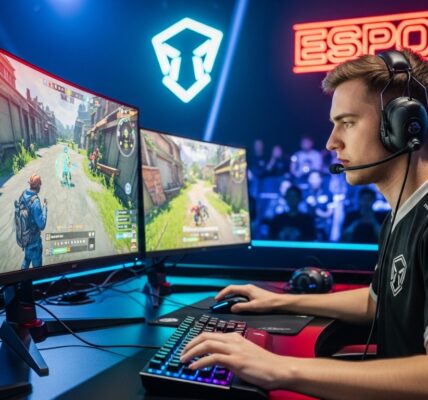
At the heart of esports are the players. Today’s top esports players are highly skilled athletes who train rigorously, often practicing for up to 12 hours a day. Unlike traditional sports, where physical fitness is a key factor, esports players focus on hand-eye coordination, reflexes, strategic thinking, and teamwork. These athletes often have to undergo mental and emotional training to deal with the pressures of competition, long hours of practice, and the expectations of fans.
Top players in esports have become celebrities in their own right, with massive social media followings and sponsorship deals. The life of a professional esports player is demanding, and many of the top-tier players compete in tournaments around the world, often earning substantial prize money in the process. Players such as Faker (Lee Sang-hyeok) from League of Legends, Johan “N0tail” Sundstein from Dota 2, and Tyler “Ninja” Blevins from Fortnite have built global reputations, becoming some of the highest-paid and most recognized figures in the gaming world.
2. The Teams and Organizations
Esports teams operate much like traditional sports organizations, with professional players, coaches, analysts, and support staff. The teams compete in various tournaments and leagues, working together to develop strategies and hone their skills. Some of the most successful and well-known esports teams include T1, Cloud9, Team Liquid, and Fnatic. These organizations manage multiple teams across different games and regions, fostering talent and building strong brand identities.
Esports teams also benefit from sponsorship deals, much like traditional sports teams. Brands from various industries, including technology, clothing, and energy drinks, have partnered with these teams to promote their products. Some of the biggest esports sponsors include companies like Intel, Red Bull, and Coca-Cola, who recognize the potential to reach a large, engaged audience through esports sponsorships.
3. Sponsors and Advertisers
Sponsorship has been a key driver of esports growth. Brands are eager to invest in the growing esports market, as they see it as a way to connect with a younger, digital-savvy audience. In fact, esports has become one of the most attractive platforms for advertisers, with events reaching millions of viewers worldwide. Companies like Intel, ASUS, and Logitech have long been sponsors of esports tournaments, providing everything from gaming peripherals to high-performance PCs for players and spectators alike.
Brands are also taking advantage of the huge visibility offered by esports streaming platforms like Twitch, YouTube Gaming, and Facebook Gaming. These platforms allow brands to reach an engaged audience while integrating their products seamlessly into the gaming experience. From in-game ads to branded tournaments and giveaways, esports provides a unique opportunity for companies to connect with potential customers.
4. The Fans and Community
Esports fans are some of the most dedicated and passionate audiences in the world. These fans follow their favorite players, teams, and games religiously, attending tournaments, watching live streams, and engaging in online communities. The interaction between fans and players is an essential part of the esports ecosystem, as it builds a sense of community and support around competitive gaming.
Social media platforms like Twitter, Reddit, and Discord allow fans to connect with players and fellow enthusiasts, discuss strategies, and share content related to their favorite games. Esports fans also create content, including fan art, memes, and commentary, which further fuels the popularity of esports.
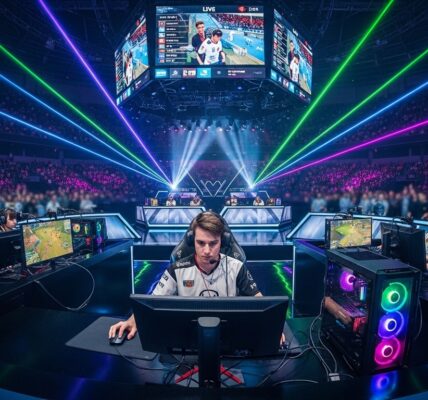
In recent years, esports stadiums and events have become common, where fans gather in person to watch the action live. Large-scale tournaments like The International (Dota 2), Worlds (League of Legends), and The Fortnite World Cup have become not just competitions but festivals that attract tens of thousands of fans, creating a lively atmosphere that mirrors traditional sports events.
Esports as a Career: Opportunities Beyond Playing
Esports isn’t just about playing professionally; the industry offers a wide range of career opportunities. As the industry continues to grow, roles in management, broadcasting, content creation, and game development have become increasingly important.
1. Commentators and Analysts
Much like traditional sports, esports tournaments are often accompanied by professional commentators and analysts who provide insight, color commentary, and expert analysis. These individuals play a crucial role in making the events accessible and entertaining for fans. Esports commentary requires a deep understanding of the game, the ability to keep up with fast-paced action, and the skill to communicate complex strategies in an engaging way.
2. Content Creators and Streamers
The rise of streaming platforms like Twitch and YouTube Gaming has provided opportunities for gamers to build careers around creating content. Many popular streamers are full-time content creators, live-streaming their gameplay, interacting with fans, and collaborating with brands. Streamers like Shroud, Pokimane, and Syndicate have turned their passion for gaming into profitable careers, earning money through ads, sponsorships, and donations.
3. Game Developers and Event Organizers
Behind the scenes, game developers and event organizers are also vital to the success of esports. Game developers design the games that serve as the foundation of esports, ensuring they are balanced, engaging, and scalable for competitive play. Companies like Riot Games, Valve, and Blizzard Entertainment are constantly evolving their games to ensure they remain relevant in the competitive gaming scene.
Event organizers, such as ESL and DreamHack, manage large-scale tournaments, working with teams, sponsors, and broadcasters to deliver high-quality events. These organizations also help create the infrastructure needed for esports competitions, including arenas, streaming setups, and player accommodations.
The Future of Esports: What Lies Ahead?
The future of esports looks incredibly promising. The industry continues to grow, with new games, platforms, and opportunities emerging all the time. Some key trends to watch include:
1. Virtual Reality and Augmented Reality
As VR and AR technologies evolve, they could reshape the way esports is played and viewed. Imagine participating in a live esports match in VR, where you can interact with the action and experience the competition from a first-person perspective. This could open up new possibilities for esports gameplay and viewing experiences.
2. Global Expansion
While esports is already a global phenomenon, its reach is expected to expand even further. As internet infrastructure improves in developing countries, more players and fans will be able to participate in and watch esports events. This global expansion will create new markets and opportunities for teams, sponsors, and event organizers.
3. Integration with Traditional Sports
Esports and traditional sports are beginning to converge. In 2020, the NBA 2K League and eNASCAR series brought esports to the attention of sports fans, and it’s likely that we’ll see more collaborations between esports and traditional sports organizations in the future. This could include joint tournaments, sponsorships, and cross-promotion of events.
In conclusion, esports has evolved from a niche hobby to a global entertainment powerhouse. Through its combination of skill, strategy, and fan engagement, esports has captured the imagination of millions worldwide. With new technology, a growing fan base, and expanding career opportunities, the future of esports looks brighter than ever. Whether you’re a player, a fan, or someone interested in the business side, the esports industry is bound to play an even bigger role in shaping the future of entertainment.