

Introduction
In the last two decades, competitive gaming has evolved from a casual hobby into a global phenomenon known as eSports. No longer confined to bedrooms or arcades, eSports has become a professional industry with millions of fans, multimillion-dollar tournaments, and athletes who train as rigorously as traditional sports professionals. It has reshaped the landscape of entertainment, technology, and culture, creating a unique ecosystem that blends skill, strategy, and digital innovation.
eSports is not just about playing games; it is a cultural movement that fosters community, inspires creativity, and provides career opportunities for millions worldwide. Its influence extends beyond gaming, affecting education, media, and social interaction. Understanding eSports requires examining its origins, its rapid professionalization, the technology behind it, its economic and social impact, and the challenges it faces as it continues to grow.
The Origins of Competitive Gaming
The story of eSports begins with the earliest video games. In the 1970s, games such as Spacewar! and Pong introduced the concept of digital competition. The first known organized gaming competition took place in 1972 at Stanford University, where students competed in Spacewar! for a modest prize. Though simple by today’s standards, this event set the precedent for organized competitive gaming.
During the 1980s, arcades became hubs of social interaction. Gamers competed for high scores in classics like Pac-Man, Donkey Kong, and Space Invaders. Public scoreboards encouraged rivalry and community engagement, laying the groundwork for competitive culture. The social and competitive aspects of these early gaming experiences helped create the first seeds of eSports.
The 1990s brought a revolution with the rise of online multiplayer games. Titles such as Quake, Doom, and StarCraft allowed players to compete across the globe. South Korea emerged as a central hub, benefiting from advanced internet infrastructure and a passionate gaming community. By the early 2000s, professional leagues, televised competitions, and sponsored teams were well-established, demonstrating that competitive gaming could exist at a professional and commercial level.
The Professionalization of eSports
As gaming evolved, it transformed into a structured, professional industry. Game developers began designing titles specifically for competitive play, with mechanics emphasizing skill, strategy, and teamwork. Games such as Counter-Strike, League of Legends, Dota 2, and Overwatch became central to the professional scene.
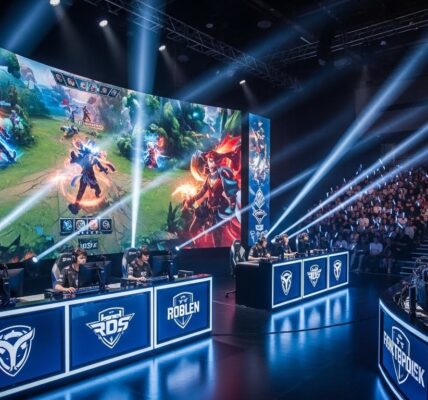
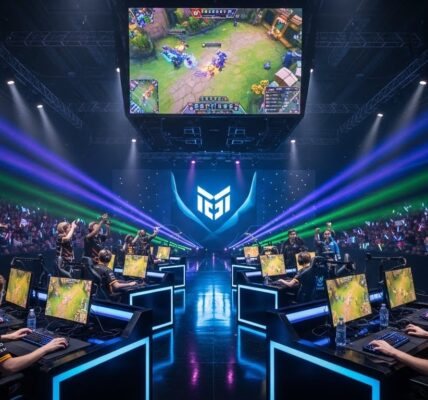
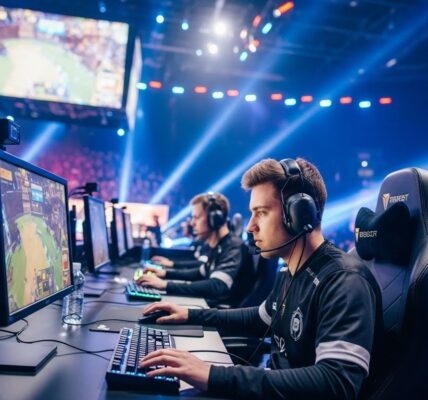
Professional eSports players train with dedication comparable to traditional athletes. Daily routines include strategic analysis, gameplay practice, physical fitness, and mental conditioning. Teams employ coaches, analysts, nutritionists, and psychologists to ensure peak performance. Tournaments now rival major sporting events in terms of production, audience size, and prize pools.
The International, Dota 2’s annual championship, features prize pools that reach tens of millions of dollars, attracting millions of viewers worldwide. Similarly, the League of Legends World Championship has become a major global spectacle, with live audiences and digital viewership rivaling traditional sports broadcasts. Organizations such as T1, Cloud9, Fnatic, and Team Liquid operate as professional businesses, managing players, securing sponsorships, and cultivating global brands.
The Cultural Significance of eSports
eSports has transcended its origins as a niche hobby to become a major cultural force. Communities form around shared passions, connecting people across the world. Online platforms allow fans to watch matches, discuss strategies, and interact with their favorite players. The sense of belonging and identity created by these communities is a major factor in eSports’ growth.
The perception of gaming has shifted dramatically. What was once dismissed as a pastime is now a respected career path. Schools and universities offer scholarships, eSports programs, and degrees in game design, broadcasting, and management. Young players can aspire to professional careers, while students can gain educational skills applicable to a variety of digital industries.
Beyond education, eSports influences mainstream entertainment. Virtual concerts, collaborations with artists, and cross-media storytelling have created experiences that blend gaming and popular culture. eSports is no longer confined to screens; it is part of global culture, shaping music, fashion, and digital media.
The Technology Driving eSports
Technology is at the heart of eSports. High-speed internet, advanced gaming hardware, and sophisticated broadcasting tools have transformed competitive gaming into a professional and spectator-friendly experience.
Gaming equipment has evolved to meet professional demands. High-refresh-rate monitors, precision peripherals, ergonomic chairs, and powerful computers ensure optimal performance. Even milliseconds matter, making hardware a critical component of competition.
Streaming platforms have revolutionized viewership, allowing fans to watch live matches, follow player commentary, and engage in real-time. Production tools enable multiple camera angles, instant replays, and augmented reality overlays, providing immersive experiences similar to traditional sports broadcasts.
Artificial intelligence and data analytics have transformed coaching and strategy. Teams analyze match data to identify weaknesses, predict opponent behavior, and simulate game scenarios. This reliance on data-driven strategies elevates the competitive aspect of eSports to a level previously associated only with traditional sports.
The Economics of eSports
The eSports industry generates billions of dollars annually, fueled by diverse revenue streams. These include tournament prize money, sponsorships, advertising, merchandise, ticket sales, and media rights. Brands recognize eSports’ value, targeting engaged audiences through strategic partnerships.
Professional players earn through tournament winnings, streaming, and endorsements, while organizations benefit from sponsorships and merchandising. Major tournaments attract global audiences, creating additional revenue through broadcasting rights and advertising.
The economic impact extends beyond the industry itself. Cities hosting major events see increased tourism, hotel bookings, and international exposure. Employment opportunities in marketing, event management, broadcasting, and software development continue to grow, supporting the industry’s wider economic influence.
The Global Reach of eSports
eSports has become a truly global phenomenon. South Korea and China lead in professional infrastructure, government recognition, and media coverage. Professional gamers in these countries are celebrated as cultural icons, reflecting the legitimacy of competitive gaming.
North America and Europe have developed structured leagues, franchises, and training academies. Emerging markets in South America, the Middle East, and Africa are rapidly growing, driven by increased internet access, young populations, and a rising interest in digital entertainment.
Accessibility is a key factor in eSports’ global reach. Unlike traditional sports, physical limitations are less significant. Anyone with an internet connection and compatible hardware can participate, allowing competition to occur across borders and cultures.
Education and eSports
Educational institutions have recognized the value of eSports as a tool for learning. Universities offer scholarships, courses, and degree programs related to competitive gaming, event management, broadcasting, and game development. These initiatives prepare students for careers in the gaming industry and teach valuable skills in strategy, teamwork, and digital literacy.
eSports also offers alternative career paths beyond professional play. Students can pursue coaching, content creation, event organization, marketing, or software development. Integrating eSports into education helps professionalize the industry while providing practical skills transferable to multiple sectors.
Challenges in eSports
Despite its growth, eSports faces several challenges. Player burnout is common due to long practice hours, competitive pressure, and constant travel. Mental health initiatives are increasingly important to address these issues.
Cheating and integrity concerns persist. Digital competition is vulnerable to hacking, match-fixing, and unfair play, requiring continuous investment in anti-cheat systems and regulatory oversight.
Gender inequality is another issue. Female players remain underrepresented and often face harassment. Initiatives to create inclusive environments and support diversity are growing, but the industry still has progress to make.
Financial sustainability is also a concern. While top-tier teams thrive, smaller organizations struggle to secure funding and sponsorships. Building a stable ecosystem for all levels of competition is crucial for the long-term health of eSports.
The Role of Media and Streaming
Media coverage and streaming platforms have propelled eSports into mainstream culture. Live broadcasts, interactive streams, and social media engagement allow fans to experience events in real time, often in ways traditional sports cannot offer.
Content creators and influencers expand the audience by providing commentary, entertainment, and educational content. Social media amplifies highlights, discussions, and fan reactions, ensuring that eSports remains a dynamic, interactive cultural phenomenon.
The Future of eSports
The future of eSports is bright, with continued growth expected. Emerging technologies such as virtual reality, augmented reality, and cloud gaming will create new competitive experiences and expand accessibility. Artificial intelligence will enhance strategy, training, and spectator engagement.
Traditional sports organizations are investing in eSports franchises, recognizing overlapping audiences and marketing potential. eSports may even become part of major international sporting events, further legitimizing its status as a professional discipline.
As the industry grows, it will continue to impact culture, education, and technology. eSports is not merely entertainment; it is a platform that fosters creativity, collaboration, and global connection.
Social and Community Impact
At its core, eSports is about community. Online platforms, local tournaments, and international conventions connect individuals across the globe. Players, fans, and creators collaborate, compete, and share experiences, fostering a sense of belonging.
eSports has also demonstrated positive social impact. Charity events, awareness campaigns, and community-driven initiatives showcase the potential for gaming to drive social change. The inclusive nature of eSports helps bridge cultural divides and create spaces where creativity and skill are celebrated.
Conclusion
eSports has evolved from humble beginnings into a global industry that rivals traditional sports in scale, revenue, and cultural impact. It has transformed how society perceives skill, teamwork, and competition, creating career paths, educational opportunities, and global communities.
By combining technology, entertainment, and strategy, eSports has redefined what it means to compete. The digital arena has become a stage where athletes, strategists, and creators showcase their talents, inspiring millions of fans worldwide. As the industry continues to grow, it will shape the future of competitive entertainment, proving that the thrill of competition is not limited to the physical world.
What began as a pastime for a few enthusiasts has become a cultural revolution, uniting people across the globe and demonstrating the power of digital innovation. eSports is more than a game; it is the embodiment of modern competition, creativity, and connection.