
Esports has transformed the world of entertainment and competition, becoming one of the fastest-growing industries in the modern era. What began as casual gaming among friends has evolved into a global phenomenon, complete with professional leagues, massive tournaments, dedicated fans, and multimillion-dollar sponsorship deals. The rise of esports reflects a unique intersection of technology, culture, and sportsmanship. It is not merely about playing games; it is about community, skill, strategy, and entertainment on a scale previously unimaginable.
The Origins of Competitive Gaming
The roots of esports can be traced back to the earliest days of video games. In the late 1970s and 1980s, arcade competitions began to appear, where players would compete for high scores on classic titles like Space Invaders and Pac-Man. These early tournaments were small, local events, but they laid the groundwork for competitive gaming as a formalized activity.
As home gaming consoles and personal computers became more accessible, competitive gaming expanded. The 1990s saw the rise of multiplayer games such as Doom, Quake, and StarCraft. These games introduced players to strategic thinking, teamwork, and skill-based competition in ways that captivated audiences. Early online platforms allowed gamers from different regions to connect, fostering a sense of global competition that would define esports in the decades to come.
The Birth of Modern Esports
The 2000s marked the official birth of modern esports. Titles like Counter-Strike, Warcraft III, and later League of Legends and Dota 2 created organized competitive scenes with professional players and structured tournaments. Online platforms allowed tournaments to be streamed, expanding the audience far beyond those who could attend in person.
The development of esports leagues formalized competition. Teams were sponsored by organizations, players trained full-time, and tournaments offered substantial prize pools. These professional structures elevated esports from casual entertainment to a legitimate form of competition, comparable in intensity and dedication to traditional sports.
Esports also began to gain mainstream attention during this period. Media coverage, live event broadcasts, and online streaming platforms helped attract millions of viewers worldwide. Audiences discovered the excitement of watching highly skilled players navigate complex games under intense pressure.
Popular Esports Titles and Their Impact
Different games have shaped the esports landscape in unique ways. Multiplayer Online Battle Arenas (MOBAs) such as League of Legends and Dota 2 emphasize strategy, teamwork, and coordination. First-Person Shooters (FPS) like Counter-Strike: Global Offensive and Overwatch focus on precision, reflexes, and split-second decision-making. Fighting games such as Street Fighter and Super Smash Bros. test individual skill and timing.
Each game brings a distinct culture, community, and competitive ecosystem. MOBAs attract millions of players worldwide and have become a cornerstone of esports tournaments, while FPS games often lead to fast-paced, visually engaging competitions that thrill viewers. Fighting games create a unique form of one-on-one competition that highlights individual mastery and dedication.
The diversity of esports genres has allowed it to appeal to a wide audience. Gamers and spectators alike can find a game that resonates with their interests, creating communities that celebrate skill, strategy, and entertainment.
The Role of Streaming Platforms
Streaming platforms have been a driving force behind esports’ rapid growth. Services like Twitch, YouTube Gaming, and more recently Facebook Gaming have allowed tournaments, leagues, and casual gameplay to reach global audiences instantly. Fans can watch live events, interact with players in real time, and engage with communities built around their favorite games.
Streaming has also created opportunities for content creators to thrive alongside professional players. Many streamers combine skill, personality, and entertainment to build audiences, blurring the line between professional competition and interactive content. These platforms have democratized access to esports, allowing anyone with an internet connection to participate as a viewer or competitor.
The combination of streaming and social media has helped esports gain mainstream recognition. Sponsors, advertisers, and media companies have taken notice of its massive reach, solidifying esports as both a cultural and economic force.
The Economics of Esports
Esports is not only entertainment; it is a rapidly growing industry with substantial economic influence. Professional teams secure sponsorships, tournament organizers sell advertising and broadcasting rights, and merchandise generates additional revenue. Prize pools for major tournaments can reach millions of dollars, attracting top talent and creating global competition.
Organizations invest heavily in player development, training facilities, and coaching staff. Players often undergo rigorous training schedules, combining physical fitness, strategic planning, and mental preparation to maintain peak performance. The professionalization of esports mirrors that of traditional sports, emphasizing discipline, teamwork, and long-term career growth.
The financial opportunities extend beyond players and teams. Event organizers, production companies, streaming platforms, and peripheral hardware manufacturers all benefit from the expansion of the esports ecosystem. As the industry grows, it continues to create new jobs, careers, and entrepreneurial ventures around competitive gaming.
The Cultural Influence of Esports
Esports has had a profound impact on modern culture. It has redefined what it means to be an athlete, showcasing intellectual skill, reflexes, and teamwork in digital arenas. Fans celebrate players as heroes and follow teams with the same intensity as traditional sports teams.
Esports has also fostered a global community. Players and fans from different countries connect through shared experiences, competitions, and fandoms. Tournaments bring together diverse cultures, languages, and perspectives, highlighting the universal appeal of competitive gaming.
The rise of esports has also influenced entertainment beyond gaming. Music, fashion, and media have intersected with esports culture, creating crossover opportunities and collaborations. Popular songs feature in game trailers, influencers engage with esports personalities, and mainstream media increasingly covers tournaments and events.
The Importance of Training and Strategy
Success in esports requires more than raw skill. Professional players invest countless hours in training, studying opponents, analyzing gameplay, and refining strategies. Team-based games require cohesion, communication, and long-term planning, while individual competitions demand mental resilience, adaptability, and precision.
Coaching has become a significant aspect of esports. Analysts study game mechanics, review performance metrics, and provide feedback to help players improve. Nutrition, mental health, and physical fitness are increasingly recognized as essential components of a player’s regimen, emphasizing that esports is a holistic discipline.
The preparation and dedication required to compete at the highest level demonstrate that esports is not casual entertainment—it is a serious and demanding profession.
Esports as a Spectator Sport
Watching esports is a unique experience that combines elements of traditional sports, theater, and gaming. Spectators experience the tension, excitement, and drama of high-level competition in real time. Commentary teams provide analysis, insights, and entertainment, enhancing the viewing experience for both casual and hardcore fans.
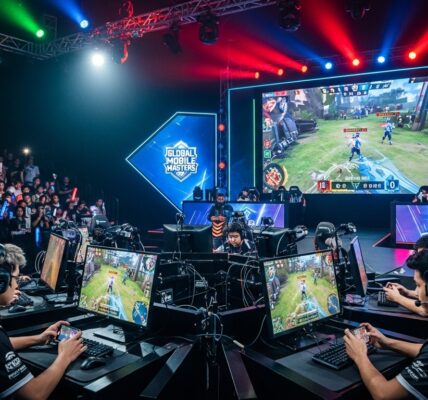
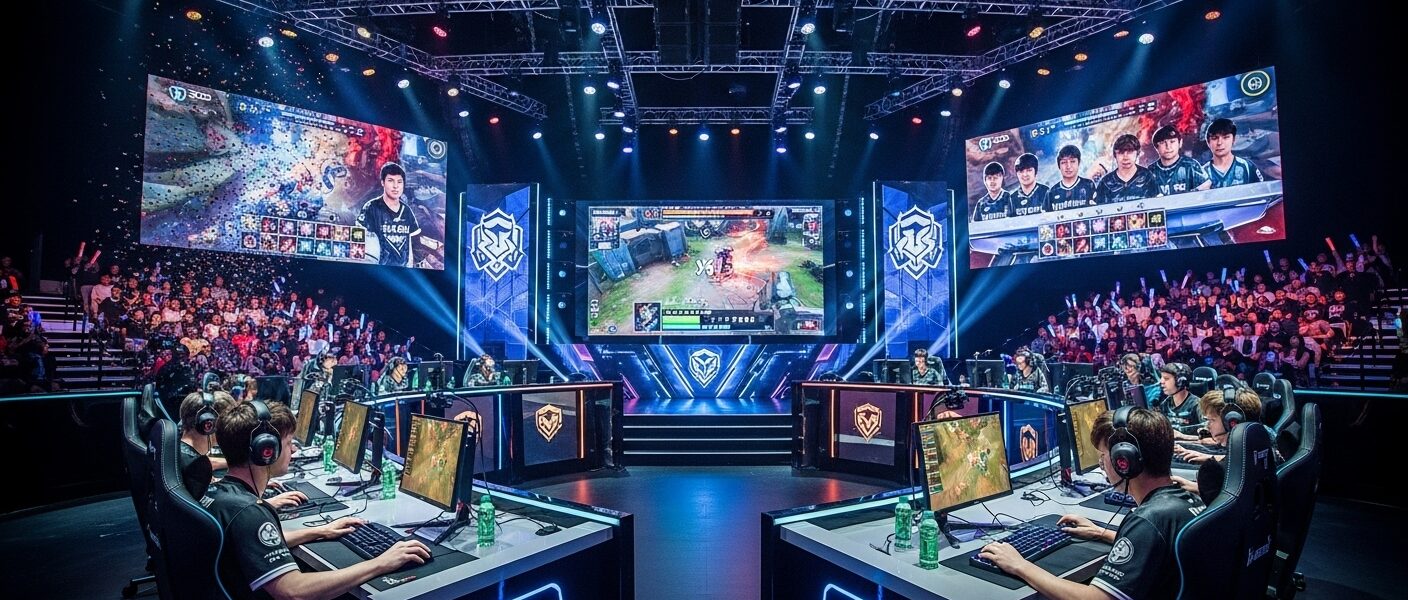
Major tournaments are held in arenas filled with cheering crowds, streamed online to millions more. These events create a sense of occasion, celebrating not only the competition but the culture and community surrounding it. Spectators become part of the narrative, experiencing triumphs, upsets, and rivalries alongside the players.
The spectator element of esports has proven vital to its growth, turning games into shared experiences and creating a loyal fanbase that fuels the industry’s expansion.
Challenges and Controversies
Despite its rapid growth, esports faces challenges and controversies. Issues such as player burnout, mental health, cheating, and gambling have emerged as critical concerns. The pressure to perform at elite levels can take a toll on players, highlighting the need for support systems and sustainable practices.
Esports organizations and governing bodies are working to address these challenges by implementing regulations, providing resources, and promoting ethical standards. As the industry matures, balancing competitive integrity with entertainment value remains a central focus.
Additionally, esports must navigate cultural and legal differences across countries. Global tournaments involve diverse regulations, player rights, and audience expectations, requiring careful management and diplomacy.
The Future of Esports
The future of esports is filled with potential. Technological advancements, such as virtual reality and augmented reality, will create more immersive and interactive experiences. Artificial intelligence may enhance training, analysis, and audience engagement, pushing the limits of what competitive gaming can achieve.
Esports will continue to expand into new markets, reaching audiences in regions where gaming culture is rapidly growing. Collaboration with traditional sports, media, and entertainment sectors will create innovative crossover opportunities, blending competitive gaming with broader cultural trends.
As esports becomes more mainstream, educational institutions are even incorporating it into programs, providing scholarships, and supporting esports clubs. This recognition demonstrates the legitimacy of esports as both a competitive pursuit and a career path.
Conclusion
Esports represents the convergence of technology, creativity, competition, and culture. It has grown from simple arcade contests into a global industry that captivates millions of players and fans. It requires skill, strategy, dedication, and teamwork, reflecting the professionalism and intensity of traditional sports.
Beyond competition, esports fosters communities, inspires creativity, and reshapes entertainment. It challenges conventional ideas about athleticism and performance, proving that digital arenas can evoke the same passion and excitement as physical ones.
The story of esports is one of evolution and innovation. It continues to push boundaries, redefine what is possible, and connect people across the globe. As technology advances and the industry grows, esports will remain a powerful testament to the human desire for competition, creativity, and shared experience.