
Introduction: The Rise of Competitive Gaming
Esports, short for electronic sports, has evolved from small gatherings of passionate gamers into a global competitive industry watched by millions. What once took place in internet cafés and bedrooms now fills stadiums, dominates streaming platforms, and commands the attention of sponsors, media, and traditional sports organizations. Esports is not simply about playing video games; it represents a cultural shift in how competition, entertainment, and community are defined in the digital age.
This blog explores the journey of esports, its structure, its cultural influence, and why it continues to grow at an unprecedented pace.
Understanding What Esports Really Is
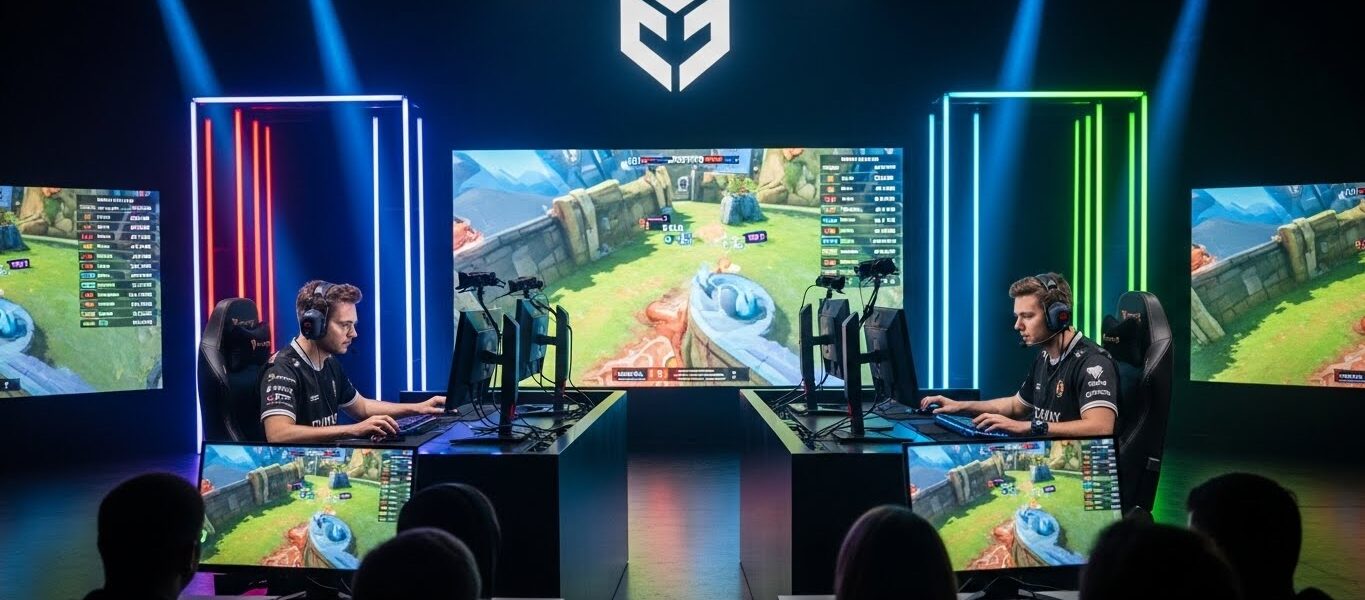
At its core, esports refers to organized, competitive video gaming where individuals or teams compete under structured rules. Unlike casual gaming, esports demands intense training, strategic preparation, and exceptional reflexes. Players specialize in specific games and roles, mastering mechanics and strategies to outperform their opponents.
Esports titles span multiple genres, including multiplayer online battle arenas, first-person shooters, real-time strategy games, sports simulations, and battle royale formats. Each genre offers a different competitive experience, yet all share the same foundation of skill, discipline, and teamwork.
A Brief History of Esports Evolution
The roots of esports trace back to the late twentieth century when competitive gaming events were small and community-driven. Early tournaments attracted limited audiences, but they planted the seeds for what was to come. As internet connectivity improved and gaming technology advanced, competitions became more accessible and visible.
The real turning point came with the rise of online multiplayer games and live streaming. Audiences could now watch matches in real time, follow their favorite players, and engage in conversations around the games. This accessibility transformed esports from a niche hobby into a mainstream form of entertainment.
The Structure of Modern Esports
Modern esports operates through a complex ecosystem that mirrors traditional sports. Professional teams are managed by organizations that handle coaching, analysis, marketing, and player welfare. Players often sign contracts, receive salaries, and train for long hours each day.
Tournaments are organized at local, regional, and international levels. Some competitions follow seasonal league formats, while others operate as standalone championship events. Prize pools can range from modest amounts to millions, reflecting the growing investment and interest in the industry.
The Role of Teams and Players
Esports athletes are often misunderstood as casual gamers, but the reality is far from it. Professional players follow strict training schedules that include gameplay practice, strategy review, physical fitness, and mental conditioning. Reaction time, decision-making, and communication skills are constantly refined.
Teams emphasize coordination and trust. In many esports titles, individual skill is important, but success depends heavily on teamwork. Coaches and analysts study opponents, develop strategies, and help players adapt to evolving game dynamics.
Esports as a Spectator Experience
One of the defining features of esports is its appeal to spectators. Matches are designed to be exciting to watch, with fast-paced action, dramatic moments, and strategic depth. Commentary and analysis help viewers understand the gameplay, making esports accessible even to those who may not play the games themselves.
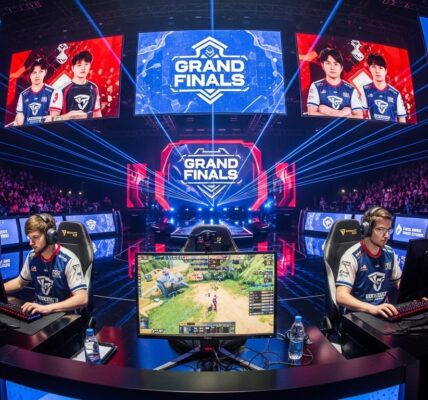
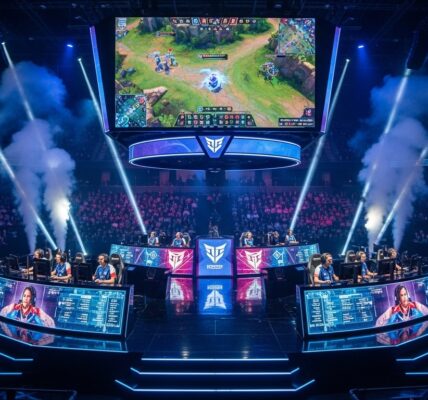
Live events often include elaborate stage designs, lighting effects, and crowd interactions. Online broadcasts allow fans from around the world to tune in, chat, and support their favorite teams. This global accessibility has been key to esports’ explosive growth.
Technology and Innovation Driving Growth
Technology plays a central role in esports development. High-speed internet, powerful gaming hardware, and advanced broadcasting tools have enabled seamless competition and viewing experiences. Game developers continuously update titles, introducing new content and balancing gameplay to keep competitions fresh and fair.
Data analytics has also become an essential component. Teams analyze in-game statistics to identify strengths, weaknesses, and trends. This data-driven approach has elevated esports strategy to a professional and scientific level.
The Business of Esports
Esports is no longer just about competition; it is a thriving business sector. Revenue streams include sponsorships, advertising, merchandise, ticket sales, and media rights. Major brands from technology, apparel, food, and even finance have entered the esports space, recognizing its reach and influence.
Investors and entrepreneurs see esports as a long-term opportunity. Organizations are building training facilities, content studios, and fan engagement platforms. The industry continues to professionalize, creating careers beyond playing, such as management, production, design, and marketing roles.
Cultural Impact and Community
Esports has had a profound cultural impact, especially among younger generations. It has created global communities united by shared interests rather than geography. Fans interact with players and teams directly through digital platforms, fostering a sense of closeness rarely seen in traditional sports.
The inclusive nature of esports allows people from diverse backgrounds to participate and succeed. Skill and dedication matter more than physical attributes, opening doors for a wide range of competitors. This inclusivity has helped redefine what it means to be an athlete in the modern world.
Education and Career Opportunities
As esports gains legitimacy, educational institutions have begun to embrace it. Schools and universities now offer esports programs, scholarships, and dedicated facilities. These initiatives not only support competitive play but also teach valuable skills such as teamwork, leadership, and critical thinking.
Career opportunities in esports extend far beyond playing professionally. Roles in event management, broadcasting, coaching, game development, and community management continue to expand. This diversity of pathways makes esports an attractive field for students and professionals alike.
Challenges Facing the Esports Industry
Despite its growth, esports faces several challenges. Player burnout is a concern due to intense training schedules and high pressure. Ensuring fair play and combating cheating require constant vigilance. Additionally, the industry must address issues related to player welfare, inclusivity, and long-term sustainability.
Regulation is another ongoing discussion. As esports crosses international borders, standardizing rules, contracts, and competitive integrity becomes increasingly complex. Addressing these challenges will be crucial for maintaining trust and stability within the industry.
The Future of Esports
The future of esports looks promising, with continued growth in audience size, investment, and cultural relevance. Advancements in virtual reality, augmented reality, and artificial intelligence may further transform how games are played and watched. Integration with traditional sports and entertainment industries is likely to deepen.
As esports matures, it will continue to redefine competition and storytelling in the digital era. Its ability to adapt, innovate, and connect people across the globe positions it as one of the most influential forms of modern entertainment.
Conclusion: More Than Just a Game
Esports is more than competitive gaming; it is a reflection of how technology, culture, and human ambition intersect. From humble beginnings to global recognition, esports has proven that passion and skill can turn pixels into powerhouses. As it continues to evolve, esports will not only entertain but also inspire a new generation to see competition in entirely new ways.