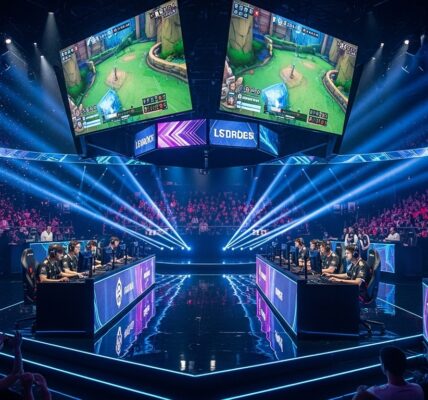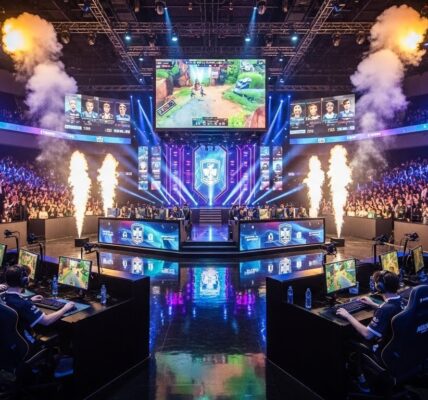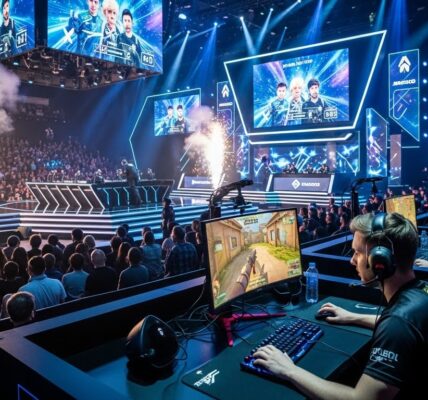
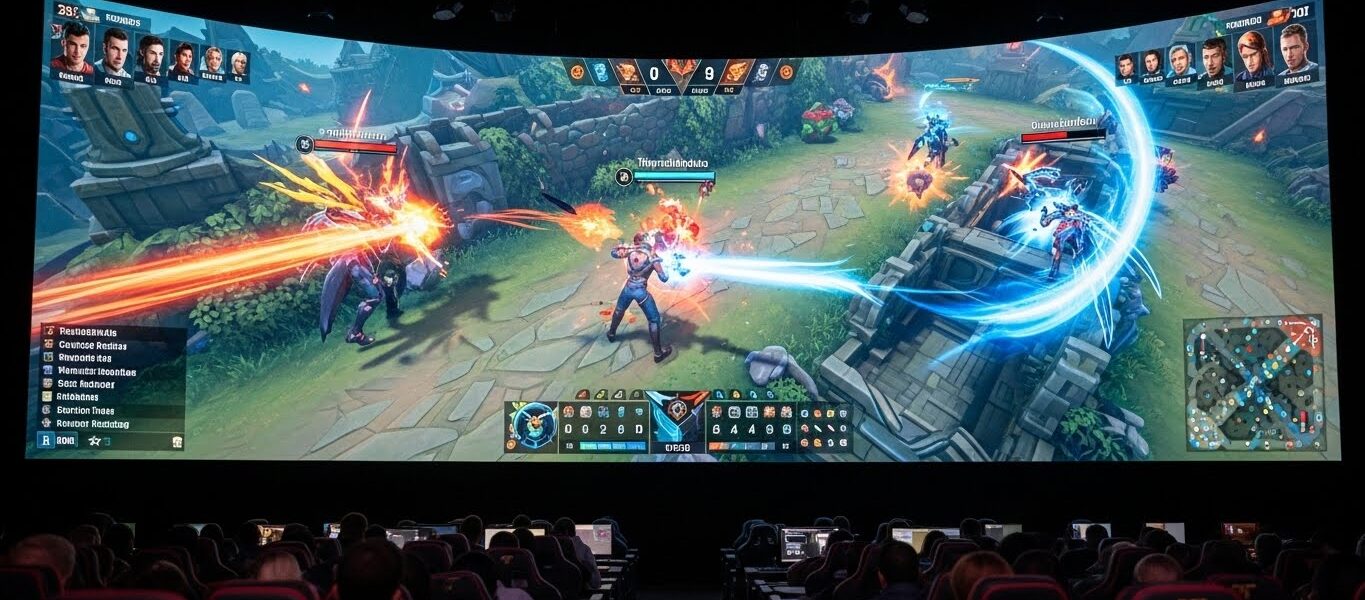

In the ever-evolving world of entertainment, one phenomenon has rapidly ascended to the mainstream stage: Esports. A fusion of competitive gaming, live-streaming, and a passionate global community, esports is changing the way we view sports, competition, and digital culture. What was once a niche hobby for a select few has now become a multi-billion-dollar industry with millions of fans and players worldwide. But how did this transformation take place? In this post, we explore the origins, growth, and future of esports, diving into its cultural impact and the future trends shaping the industry.
The Origins of Esports: From Arcade Games to Global Tournaments
Esports, or electronic sports, dates back to the early 1970s, when the first video game competitions were held. The 1972 Spacewar tournament at Stanford University is often regarded as one of the first instances of competitive gaming. However, it wasn’t until the late 1990s and early 2000s that esports began to take shape as we know it today. The advent of online gaming, especially through platforms like Battle.net for Blizzard’s games, allowed players to compete remotely, paving the way for larger and more organized competitions.
One of the earliest milestones in esports history was the World Cyber Games (WCG), established in 2000. The WCG brought together players from across the globe for an international tournament, and its success demonstrated that there was a large and growing audience for competitive gaming. Following this, a series of local, regional, and international tournaments began popping up, creating the foundations for the esports ecosystem.
The Digital Landscape: How Technology Fuels Esports’ Growth
The growth of esports has been closely tied to advancements in technology. A few key factors have significantly contributed to its rise:
- High-Speed Internet and Streaming: Online connectivity, especially high-speed internet, allowed players to compete in real-time, regardless of their physical location. Platforms like Twitch, YouTube Gaming, and Facebook Gaming have made streaming gameplay accessible to millions of viewers. These platforms not only allow for watching live tournaments but also offer content from gamers, influencers, and professional streamers who have become household names.
- Game Development: The growth of esports is also deeply linked to the evolution of game design. Titles such as League of Legends, Counter-Strike: Global Offensive, Dota 2, and Overwatch are tailor-made for competitive play, with balance, strategy, and teamwork at the forefront. These games have sophisticated mechanics, large player bases, and rich communities that encourage both casual and competitive gaming.
- Affordable Hardware: The rise of gaming PCs, consoles, and even mobile gaming has made esports more accessible. A gaming setup no longer requires elite or expensive equipment, which has lowered the barrier for entry. Additionally, esports titles are being optimized for multiple platforms, ensuring that gamers with varying resources can join the fray.
- Sponsorship and Investment: Over the years, esports has attracted the attention of major brands and investors. From the likes of Intel, Coca-Cola, and Mercedes-Benz to tech giants like Microsoft and NVIDIA, corporate sponsors now see esports as a viable advertising platform, driving financial investments into tournaments, teams, and media rights.
The Growth of Esports: A Global Movement
Esports has grown beyond its niche beginnings to become a global cultural and economic phenomenon. According to various reports, the esports industry is expected to generate billions of dollars in revenue by the end of this decade. Here are a few reasons why esports has gained such widespread popularity:
- Massive Audience Growth: Esports’ audience is diverse, encompassing not only gamers but also spectators who enjoy watching competitive gameplay. The audience for esports events, including finals and tournaments like The International (Dota 2) or League of Legends World Championship, surpasses the viewership of traditional sports like basketball and soccer in certain regions. The global reach is undeniable, with millions tuning in via streaming platforms to watch live events.
- The Rise of Professional Teams and Leagues: With the explosion of interest in esports, professional teams and leagues have become a significant part of the ecosystem. Organizations like Team Liquid, Cloud9, and Fnatic have professionalized the competitive gaming scene. Players are treated like athletes, with coaches, managers, and analysts helping them refine their skills. Furthermore, esports leagues such as the Overwatch League and League of Legends Championship Series (LCS) mirror the structure of traditional sports leagues, complete with franchises, seasons, and playoffs.
- Cultural Integration and Mainstream Recognition: Esports has achieved significant cultural integration, with gaming personalities becoming celebrities in their own right. Events like BlizzCon, E3 Expo, and PAX bring together gaming enthusiasts from around the world, and esports competitions have become as much a part of popular culture as football, baseball, and basketball. Esports is also gaining recognition from traditional sports networks, with cable networks like ESPN airing esports events, showcasing its growing legitimacy.
- Youth Appeal: Younger generations are driving the growth of esports. According to various surveys, gaming and esports are considered the dominant forms of entertainment for millennials and Gen Z. The interactive nature of gaming—combined with the rise of esports as a spectator sport—has made it incredibly appealing to younger audiences who are used to engaging with media in innovative ways. The accessibility of games, the rise of mobile esports, and the integration of social media have further cemented esports’ position in youth culture.
Esports as a Career: Professionalization and Opportunities
As esports matures, it has also evolved into a career path for many. The opportunities within the esports industry are vast, ranging from professional players to content creators, coaches, analysts, event organizers, and more. Here’s how esports is becoming a legitimate career choice:
- Professional Players: Top-tier esports players can earn substantial salaries through tournament winnings, sponsorships, and streaming revenues. Successful players in games like Fortnite, Dota 2, and League of Legends have secured multi-million-dollar contracts. Esports has evolved into a viable career for those who have the skills to compete at the highest level.
- Coaches, Analysts, and Managers: Behind every professional esports team is a team of experts. Coaches help players refine their gameplay, analysts dissect strategy and match-ups, and managers handle logistics and team operations. These roles are becoming essential as esports organizations grow in size and professionalism.
- Content Creators and Streamers: Platforms like Twitch have given birth to a new wave of content creators and influencers. Professional streamers can build significant followings, earning money through subscriptions, donations, sponsorships, and brand deals. Many streamers also turn their gameplay into a business, branching out into other media forms like YouTube videos, merchandise, and social media accounts.
- Event Organizers and Hosts: Esports tournaments require a considerable amount of logistical coordination. Event organizers handle everything from venue selection to online broadcasting. Esports events are now grand spectacles, with massive production teams, commentators, and even live audiences. Hosts and casters, who narrate the action and provide insight, have become stars in their own right.
- Supportive Industries: Esports has spurred the development of a range of supportive industries, such as game development, marketing, video production, and merchandise. The growth of esports has created jobs and opportunities that extend far beyond just the players, contributing to the broader entertainment and technology sectors.
Challenges and Controversies in the Esports World
Despite its rapid rise, esports faces challenges and controversies that need to be addressed for continued growth:
- Player Health and Well-being: The intense training schedules and high-pressure environment can take a toll on the physical and mental health of esports athletes. Concerns about long hours, repetitive strain injuries (RSI), and burnout are prevalent. As the industry matures, there is a growing emphasis on player well-being, including fitness regimens, mental health resources, and recovery time.
- Diversity and Inclusion: The esports community has faced criticism for its lack of diversity, with women, minorities, and LGBTQ+ players often underrepresented. However, the industry has started to address these issues by creating more inclusive spaces and highlighting diverse voices in the gaming and esports ecosystem.
- Cheating and Match Fixing: Like traditional sports, esports has also faced challenges related to cheating and match-fixing. The rise of third-party cheating software and the financial incentives tied to betting on esports events have made it crucial for organizations to maintain the integrity of the competitions through stringent regulations and anti-cheat technology.
The Future of Esports: What Lies Ahead?
Looking ahead, the future of esports looks bright. As technology continues to improve, esports will become even more immersive and accessible. The growth of Virtual Reality (VR) and Augmented Reality (AR) may redefine competitive gaming, allowing players and spectators to engage in new, innovative ways. Mobile esports will continue to thrive, especially in regions like Southeast Asia, where smartphones are the primary gaming platform.
Esports is also expected to integrate further into the fabric of mainstream entertainment. With more traditional sports teams, celebrities, and media companies investing in esports, it’s likely that competitive gaming will continue to rise in prominence across multiple sectors.
In the coming years, esports could even become a regular fixture in the Olympic Games, as organizations continue to explore its inclusion in global sporting events. The global recognition of esports will only grow, with an ever-expanding fanbase and more opportunities for players, teams, and organizations.