
Introduction: A New Era of Competitive Entertainment
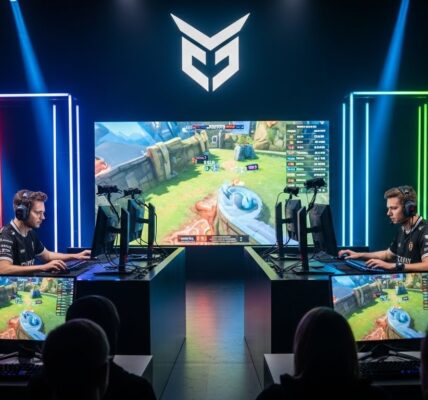
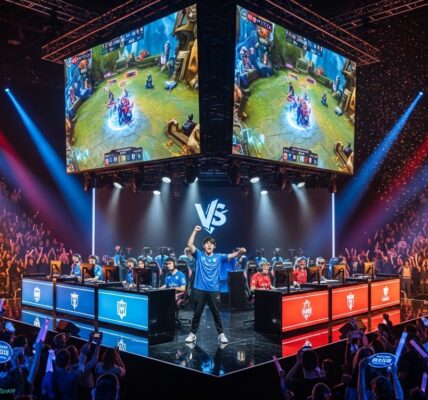
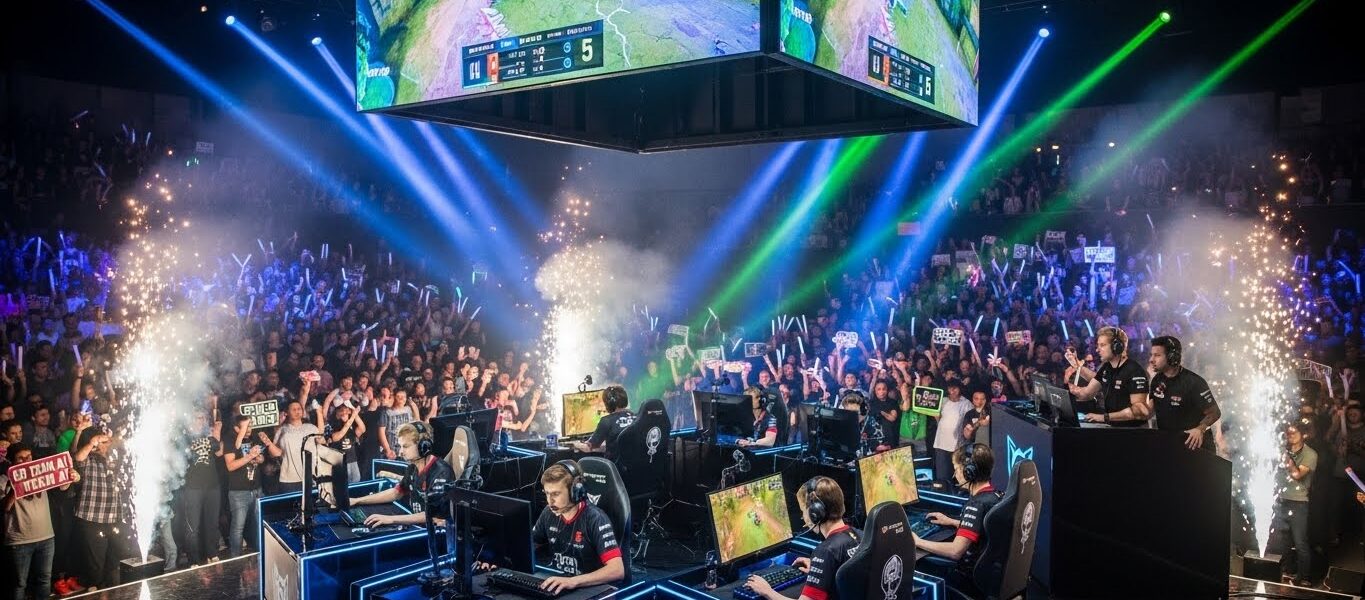
Esports, or electronic sports, has transformed from a niche hobby enjoyed by small gaming communities into a global entertainment giant. Today, millions of fans tune in to watch professional gamers compete at the highest levels, filling giant arenas and attracting sponsors from some of the world’s biggest brands. Esports is no longer just about gaming; it is a cultural movement, a booming industry, and a new expression of competitive excellence. This blog explores the rise of esports, its cultural impact, economic growth, and what the future holds for this rapidly expanding world.
The Evolution of Competitive Gaming
To understand how esports became so influential, it is important to look at its origins. Competitive gaming began in the late twentieth century, when arcade tournaments and small-scale computer gaming competitions brought enthusiasts together. While these early gatherings were far from today’s massive events, they laid the foundation for organized competitive play.
The early 2000s marked a turning point. As internet connectivity improved, online gaming became more accessible. Games like StarCraft, Counter-Strike, and Warcraft III established structured competitive scenes, each with professional players, teams, and organized tournaments. Asia, particularly South Korea, became a hotspot for esports, with televised matches and dedicated training facilities. These developments demonstrated the immense potential of gaming as a spectator sport.
The Rise of Modern Esports Titles
Today, esports spans a wide range of genres and gaming platforms. Several titles dominate the competitive scene, each with its own global community and professional ecosystem. Multiplayer online battle arena games such as League of Legends and Dota 2 have become staples of competitive gaming. Their tournaments attract millions of viewers, with prize pools that rival traditional sports events.
First-person shooters like Counter-Strike and Valorant offer fast-paced, high-stakes competition that appeals to fans who crave quick reflexes and strategic gameplay. Meanwhile, games like Fortnite introduced battle royale esports, appealing to younger audiences with a mix of creativity, survival mechanics, and unpredictable gameplay.
Sports simulations such as FIFA and NBA 2K provide an intersection between traditional sports fandom and gaming, allowing players to compete using digital versions of real-life athletes and teams. The diversity of esports titles ensures that a wide variety of players and spectators can find something they enjoy.
Why Esports Captivates Audiences
Esports resonates with modern audiences for many reasons. One key factor is accessibility. Unlike traditional sports, viewers can easily watch tournaments from anywhere through live streaming platforms. This ease of access allows fans from all corners of the world to follow their favorite teams and players.
Another major factor is the dynamic nature of esports. Games evolve constantly through updates, balancing changes, and new content releases. This keeps the competitive scene fresh and exciting, as strategies shift and new players emerge. Audiences are drawn to the complexity and depth of gameplay, similar to how fans of physical sports enjoy analyzing tactics and performances.
The personalities of esports players also play a huge role in attracting fans. Viewers follow players not just for their skill but also for their unique stories, humor, and streaming content. Many professional players share their everyday lives online, creating strong connections with their audiences. This close relationship between fans and players makes esports feel personal and engaging.
The Growth of Esports as a Business
The esports industry has grown into a multibillion-dollar market, driven by sponsorships, media rights, merchandise sales, and live event revenue. Major companies from diverse industries invest heavily in esports, recognizing the massive youth audience and global reach it offers. Brands once unrelated to gaming, such as automobile manufacturers, apparel companies, and energy drink producers, now sponsor teams and tournaments.
Esports organizations operate like traditional sports clubs, with professional management, coaching staff, player training programs, and international fanbases. Some even offer salaries, performance bonuses, and long-term contracts to their athletes. The level of professionalism in esports is continually rising, making it an attractive career path for skilled players.
Colleges and universities have also joined the esports movement. Many now offer scholarships for esports players and host collegiate tournaments. These programs help legitimize gaming as a serious competitive and academic pursuit, opening doors for students who excel in the digital arena.
The Cultural Impact of Esports
Esports has influenced modern culture in several ways. One of the most notable impacts is the merging of gaming and entertainment industries. Music artists, celebrities, and influencers frequently collaborate with esports organizations or appear in gaming events. In-game concerts and themed collaborations have become common, blending digital experiences with pop culture.
Esports has changed how younger generations interact with entertainment. Instead of solely consuming traditional media like television, many young people prefer to engage with live streams, gaming content creators, and esports tournaments. This shift reflects broader trends in digital engagement and participatory culture.
Moreover, esports fosters global communities. Players and fans from different countries connect through their shared passion for gaming. International tournaments highlight this sense of unity, bringing together diverse cultures and fanbases. Gaming itself becomes a universal language that transcends borders.
The Importance of Mental and Physical Health in Esports
With esports becoming more demanding, players must maintain strong mental and physical health. Professional gaming requires hours of practice, strategic thinking, teamwork, and quick decision-making. This level of dedication can lead to burnout if not balanced properly.
Teams now hire sports psychologists, fitness coaches, and nutrition experts to support players. Mental resilience is crucial, especially during high-pressure tournaments where a single decision can determine the outcome. Physical health is equally important, as players must avoid repetitive strain injuries, maintain healthy routines, and manage stress effectively.
Highlighting these aspects shows how far esports has come. What was once viewed as a casual pastime is now recognized as a discipline requiring holistic training and wellness.
The Role of Technology in Shaping Esports
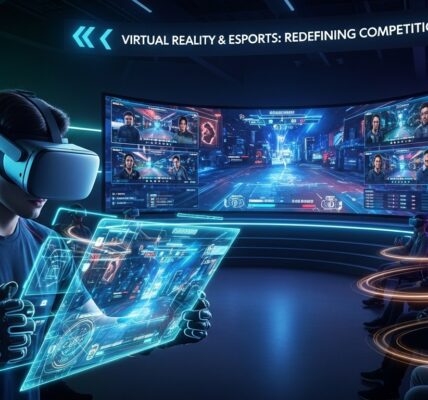
Esports thrives on technological advancement. High-performance hardware, fast internet speeds, and sophisticated game designs enable the level of competitive play seen today. Innovations such as virtual reality, augmented reality, and advanced broadcast tools promise to transform the viewing experience even further.
Tournament broadcasts use features like real-time statistics, player perspectives, and interactive overlays to enhance viewer engagement. Spectators can observe complex plays from multiple angles and gain deeper insights into the strategies being used.
Cloud gaming and mobile technology also broaden esports accessibility. Mobile esports titles have gained massive popularity, particularly in regions where traditional gaming consoles or PCs are less common. This expansion ensures that esports continues reaching new audiences.
Challenges Facing the Esports Industry
Despite its growth, esports faces several challenges. One major concern is maintaining competitive balance and fairness. Developers must constantly monitor their games to prevent unfair strategies, cheating, or exploitation of game mechanics.
Another challenge involves player longevity. The career span of professional gamers can be short, often ending in their twenties. Esports organizations are exploring ways to support retired players through coaching opportunities, content creation, or managerial roles.
Regulation and governance also remain topics of discussion. As esports grows internationally, establishing consistent rules, ownership rights, and player protections becomes increasingly important. Addressing these issues will help ensure long-term stability and credibility for the industry.
The Future of Esports: What Lies Ahead
The future of esports is filled with promise. As technology continues to evolve, esports will likely integrate more advanced features that enhance competition and viewer engagement. Virtual reality competitions may become more prominent, offering an entirely new style of immersive gameplay.
Additionally, the line between traditional sports and esports is gradually blurring. Partnerships between sports leagues and esports organizations are becoming more common, creating hybrid models of entertainment. This evolution will likely continue, bringing both industries closer together.
Esports is also expected to expand into more regions worldwide, fostering greater inclusivity and diversity. As accessibility increases, new talent and fan communities will emerge, enriching the global esports culture.
Conclusion: A New Frontier of Competition and Community
Esports stands as a testament to the power of digital innovation and global connectivity. Its rise from small gaming gatherings to massive international events demonstrates how entertainment continues to evolve. What makes esports truly special is not just the thrilling competition, but the vibrant communities, technological advancements, and cultural impact that surround it.
As the digital arena grows, esports will undoubtedly remain a dominant force in modern entertainment, inspiring future generations to compete, connect, and celebrate the world of gaming like never before.