
Introduction: The Birth of a Digital Phenomenon
In today’s technology-driven world, esports has emerged as a defining cultural and entertainment force. Once viewed as a casual pastime, gaming has transformed into a global industry of organized competitions, professional players, and massive audiences. The term “esports,” short for electronic sports, refers to competitive video gaming where individuals or teams face off in various titles. What makes esports remarkable is not just its entertainment value but its rapid evolution from small gatherings to multimillion-dollar tournaments viewed by millions across continents. The rise of esports signifies more than just a shift in how people play games—it reflects a new era of digital competition, community, and global connectivity.
The Humble Beginnings of Esports
The origins of esports trace back to the early 1970s and 1980s when video games began to captivate young audiences. One of the earliest known competitions took place in 1972 at Stanford University, where players competed in “Spacewar.” Although small in scale, it set the stage for what would become a massive industry. By the late 1980s, arcade culture had exploded, with gamers competing for high scores on titles like “Pac-Man” and “Donkey Kong.” These early contests were informal but fostered a sense of community and competition.
The 1990s marked the beginning of structured competitive gaming, thanks to advances in home consoles and personal computers. LAN (Local Area Network) parties became a popular way for gamers to connect and play together, particularly with games like “Doom” and “Quake.” These gatherings were the forerunners of professional tournaments. As internet connectivity improved, online multiplayer gaming allowed players from different parts of the world to compete without being in the same room. This technological leap transformed gaming from a local hobby into a global competitive sport.
The Professionalization of Competitive Gaming
Esports truly began to gain momentum in the early 2000s. Organized tournaments like the World Cyber Games and Major League Gaming provided a professional platform for competitive gamers. Titles such as “Counter-Strike,” “StarCraft,” and “Warcraft III” became the cornerstones of the competitive scene. South Korea, in particular, played a crucial role in shaping modern esports. The country embraced gaming as a mainstream form of entertainment, with professional players gaining celebrity status and national television channels broadcasting live matches.
The professionalization of esports was further boosted by sponsorships and investments from major corporations. Prize pools grew rapidly, turning competitive gaming into a full-time career for top players. Esports organizations began forming teams with dedicated coaches, analysts, and training facilities, mirroring the structure of traditional sports teams. This professional approach not only elevated the level of competition but also gave legitimacy to esports as a recognized sport.
The Power of Streaming and Online Platforms
One of the biggest catalysts for esports’ explosive growth was the emergence of online streaming platforms. The ability to broadcast live gaming events transformed esports from niche gatherings into a mainstream spectacle. Viewers could now watch professional players compete from the comfort of their homes, creating a new form of digital entertainment.
Streaming platforms allowed fans to engage directly with players through live chats and social media. This interaction blurred the line between spectators and participants, making esports one of the most community-driven industries in the world. Players were no longer hidden behind screens—they became online personalities, building loyal fan bases and personal brands.
Streaming also made esports accessible to a global audience. Unlike traditional sports, which often require television contracts or exclusive broadcasts, esports thrives in the open digital ecosystem. Millions of viewers tune in to watch major tournaments, making esports one of the most-watched forms of entertainment globally.
Iconic Games That Defined Esports
The esports industry thrives on a variety of games, each with its own competitive scene and loyal following. These games span multiple genres, including strategy, shooting, sports simulation, and battle arenas.
League of Legends revolutionized the multiplayer online battle arena (MOBA) genre. Its annual world championship draws millions of viewers, showcasing the strategic depth and teamwork that define esports competition.
Dota 2 is another MOBA giant known for its complex gameplay and enormous prize pools. Its premier event, The International, consistently sets records for esports earnings, highlighting the financial power of the industry.
Counter-Strike: Global Offensive has been a cornerstone of competitive gaming for over a decade. The game’s emphasis on skill, communication, and precision makes it one of the most respected titles in esports history.
Fortnite introduced a younger audience to competitive gaming, blending creativity with high-stakes battle royale gameplay. Its global tournaments and celebrity collaborations helped bring esports into the mainstream spotlight.
Valorant represents the next generation of competitive shooters, blending the tactical elements of Counter-Strike with the unique character abilities of hero-based games. Its rapid rise demonstrates the ongoing innovation within esports.
Each of these titles contributes to the diversity and vibrancy of the esports ecosystem, ensuring that there is something for every kind of gamer and viewer.
The Economic Impact of Esports
Esports has grown into a multi-billion-dollar global industry that encompasses far more than just gaming competitions. It has created opportunities in event management, marketing, broadcasting, content creation, and technology development. Sponsorships and advertising form the backbone of the esports economy, with major brands investing heavily to reach younger, tech-savvy audiences.
Tournaments attract massive prize pools, sometimes exceeding tens of millions of dollars. In addition to direct competition revenue, esports generates income through merchandise sales, streaming royalties, and in-game purchases. Universities around the world are even offering esports scholarships, recognizing gaming as a legitimate professional pursuit.
The business of esports extends beyond players and teams. Game developers, event organizers, and media companies all play vital roles in sustaining the industry. With consistent investment and global audience growth, esports is projected to rival traditional sports in both popularity and profitability.
Esports as a Career Path
The rise of esports has opened countless career opportunities beyond being a player. Today, the industry offers positions for commentators, coaches, analysts, event organizers, marketers, and content creators. Many professional gamers transition into coaching or streaming careers after retiring from competition. The average professional player’s career may be short, often peaking in their early twenties, but the skills they gain—teamwork, communication, and strategic thinking—translate into long-term opportunities within and beyond esports.
Esports journalism and production have also become thriving fields. Writers, videographers, and broadcasters help tell the stories behind the games, giving audiences deeper insight into the competitive scene. As esports continues to expand, new roles are constantly emerging, ensuring that it remains a dynamic and innovative career landscape.
Cultural Influence and Global Community
Esports has done more than just entertain—it has shaped global culture. It has given rise to a shared digital identity that transcends geography, language, and background. Fans from different countries can come together to support their favorite teams, discuss strategies, and participate in online events.
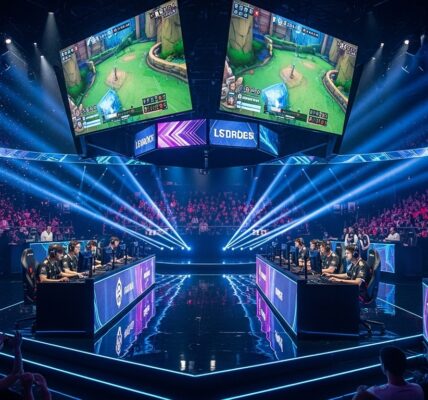
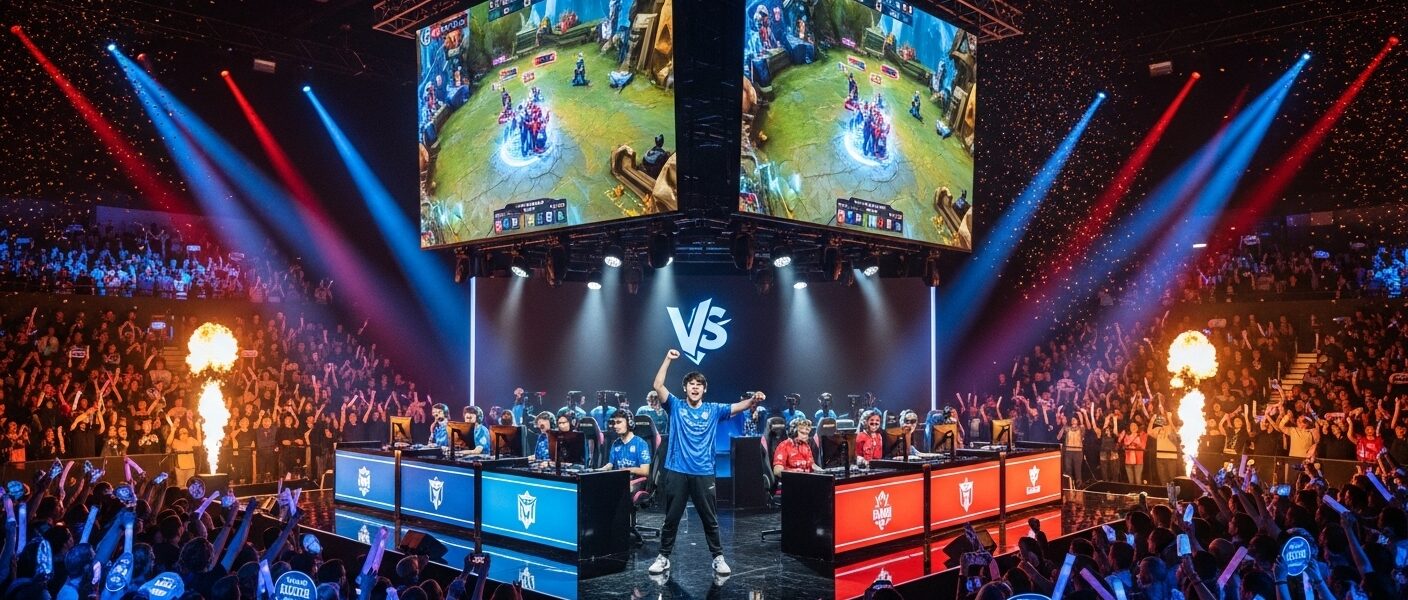
The cultural impact of esports is particularly visible among younger generations who view gaming as an integral part of their lives. Esports events often resemble traditional sports spectacles, complete with cheering crowds, live commentary, and branded merchandise. However, esports stands out because it exists in a borderless digital space, fostering inclusivity and cross-cultural collaboration.
Esports has also influenced mainstream entertainment, with movies, documentaries, and television shows exploring gaming culture. Music and fashion have also become part of esports branding, further blurring the lines between gaming and popular culture.
Challenges Facing the Esports Industry
Despite its impressive growth, esports faces several challenges that must be addressed to ensure sustainable development. One major issue is player burnout. The intense training schedules and high-pressure environment can take a toll on players’ mental and physical health. Teams and organizations are increasingly prioritizing wellness programs, but the issue remains significant.
Regulation and governance also present challenges. As esports is a global industry, there is no single governing body overseeing all competitions. This lack of uniformity can lead to inconsistencies in player contracts, tournament rules, and dispute resolutions. Ensuring fair play and protecting players’ rights are ongoing priorities for the industry.
Additionally, while esports has made strides in promoting diversity and inclusion, there is still work to be done to create equal opportunities for all genders and backgrounds. The future of esports depends on maintaining an environment that welcomes everyone who loves gaming, regardless of identity or origin.
The Future of Esports: Innovation and Expansion
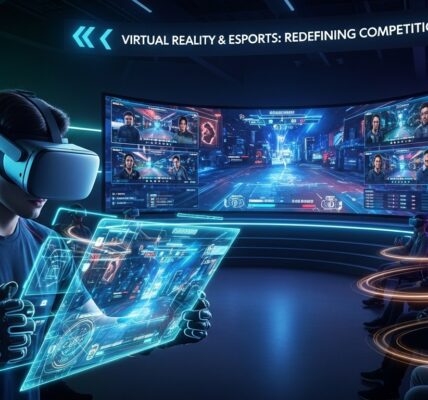
The future of esports looks brighter than ever, driven by continuous innovation and technological advancement. The integration of virtual reality and augmented reality could redefine how fans experience esports, making tournaments more immersive and interactive. Artificial intelligence and data analytics are also being used to enhance player training, providing insights into strategy and performance optimization.
Mobile gaming represents another major frontier. In regions such as Asia, mobile esports have become a dominant force, thanks to the accessibility of smartphones and mobile internet. As technology continues to evolve, new genres and formats will emerge, further expanding esports’ global reach.
Esports is also gaining recognition as a legitimate sport on international stages. Several countries now recognize esports players as professional athletes, and discussions continue about including esports in future multi-sport events. This growing legitimacy underscores esports’ importance as both a cultural and competitive movement.
Conclusion: A New Age of Competition
Esports has come a long way from its humble beginnings in local arcades and computer labs. Today, it stands as a global phenomenon that blends technology, competition, and entertainment in ways never seen before. It has created new careers, inspired millions, and brought people together through shared digital experiences.
The rise of esports represents more than just the growth of gaming—it symbolizes the transformation of modern culture itself. As the industry continues to evolve, one thing is clear: esports is not a passing trend but a lasting force that will continue to shape the future of entertainment, sports, and global connectivity. The digital arena is here to stay, and its impact will only deepen as technology continues to advance and new generations of players and fans join the game.